

The “BMW PR 223 Buckling Strength – Determination of Buckling Resistance” standard, developed by BMW, a leading German multinational company in the automotive sector, describes an internal technical delivery condition and test method developed to evaluate the buckling resistance (buckling strength) of vehicle exterior body panels and components. This standard is part of BMW’s broader proprietary requirements that suppliers and internal development teams must meet to ensure the structural integrity, durability, and quality of exterior parts.
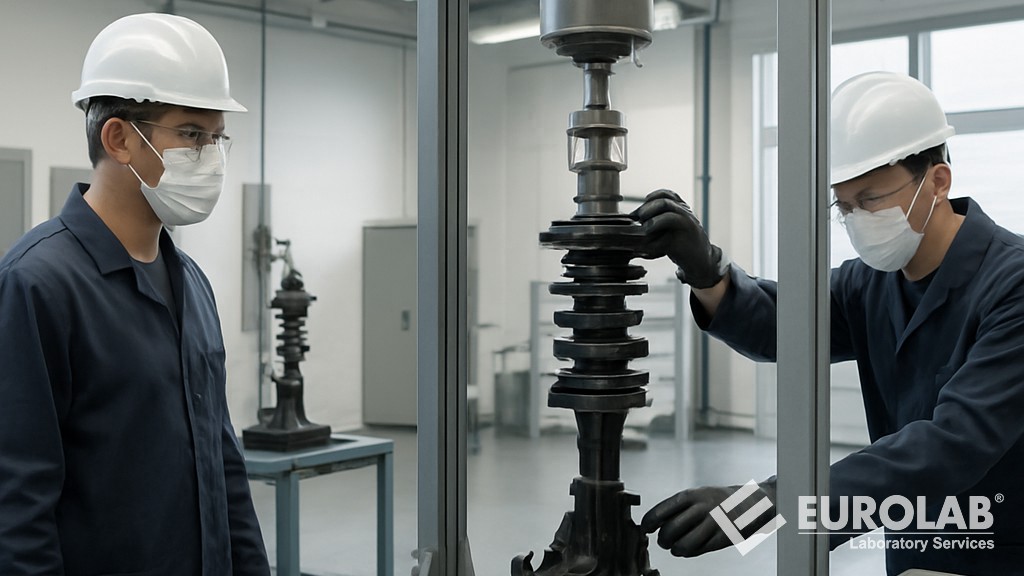
Buckling strength measures a panel's (typically sheet metal or plastic outer casing) ability to withstand compressive or localized loads without sudden instability or deformation. In automotive applications, this property is critical for:
Unlike crush resistance (BMW PR 220 standard), buckling focuses on elastic or elastic-plastic imbalance under compression rather than permanent indentation.
In automotive engineering, buckling refers to a structural element (such as a thin metal panel or beam) becoming unstable under compressive loads, leading to bending, wrinkling, or collapse before the material reaches its yield strength. This is critical for:
Low buckling strength can lead to noticeable rippling under light pressure, permanent deformation, or reduced collision performance.
The BMW PR 223 standard essentially involves a standardized test method to measure how much compressive or indenting force exterior panels can withstand before buckling occurs. This method typically involves applying controlled loads via indentations or pressure devices to simulate real-world stresses.
This method is primarily used for supplier qualification, quality control, and verification of sheet metal (steel/aluminum) and sometimes plastic/composite exterior surfaces during development. This standard is part of BMW’s broader material and component approval process and ensures that suppliers meet rigorous quality standards for parts used in production vehicles.
Twist resistance directly affects the following:
Buckling (bending) resistance is a critical performance characteristic for automotive body panels (such as doors, hoods, roofs, fenders, and other exterior sheet metal or aluminum parts). It measures a panel's ability to withstand compressive or indentive forces without suddenly becoming unstable and deforming (bending).
In the context of BMW PR 223 and similar automotive standards, buckling resistance is evaluated to ensure that panels meet quality, safety, and customer perception objectives. The main reasons why this feature is so important are as follows:
Poor buckling resistance leads to a phenomenon called the burst effect: the panel suddenly bends elastically under light hand pressure, creating a visible dent-like depression that pops back up when released. This gives a cheap feel, especially for brands like BMW, and damages their luxury image. High buckling resistance ensures that the panels resist this reversible buckling, contributing to a high-quality tactile experience.
In conclusion, buckling resistance is not only about preventing bad bends, but it is also a crucial element for lightweight design, perceived excellent build quality, long-term durability, and cost-effective production.
For many years, our organization, with its competent and experienced staff, has been understanding the needs of its clients, providing the advanced testing services they require, and assisting in the establishment, implementation, and improvement of management systems. Within this framework, we also provide testing services to businesses in accordance with the "BMW PR 223 Buckling Strength - Determination of Buckling Resistance" standard.
To get an appointment, to get more detailed information or to request an evaluation, you can ask us to fill in our form and reach you.

