BMW AA 0566 Puncture Behavior of Leather Materials
The “BMW AA 0566 Puncture Behavior” standard, developed by BMW, a multinational vehicle manufacturer, describes a test method used to evaluate the puncture behavior of leather materials. In the automotive industry, leather is commonly used for seats, steering wheels, instrument panels, door panels, and other upholstery parts. This test method assesses how resistant the leather is to puncture under controlled conditions. This test is critical for:
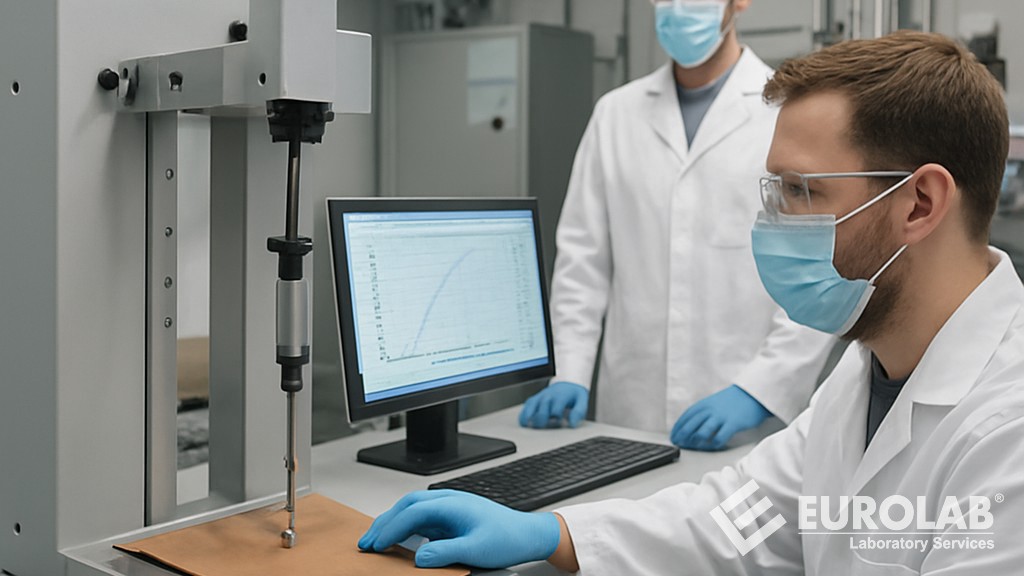
- Durability and long-term wear resistance.
- Safety (e.g., resistance to sharp objects or collision scenarios involving internal components)
- Quality assurance in supplier approval and batch release processes.
By ensuring that leather upholstery and trim meet BMW's high-quality interior standards, it helps prevent issues such as tearing, cracking, or excessive damage throughout the vehicle's lifespan.
BMW has hundreds of proprietary test specifications for materials, coatings, plastics, textiles, and assemblies (typically “AA” standards). The BMW AA 0566 standard is often listed alongside other standards for leather and interior material testing:
- BMW AA 0563 Low temperature flexibility resistance
- BMW AA 0565 Shrinkage test
- BMW AA 0567 Sweat resistance
These tests are typically performed by accredited testing laboratories to verify compatibility before components are approved for manufacturing processes.
BMW places great emphasis on material lifespan, passenger comfort, and perceived quality. A failed penetration test could reveal potential weaknesses in leather processing, tanning, or coatings, leading to warranty claims, customer dissatisfaction, or rejection during quality inspections.
The BMW AA 0566 standard is essential because it directly addresses key elements such as durability, safety, quality consistency, and long-term customer satisfaction in high-end vehicle interiors, particularly for leather components subjected to intensive daily use.
The main reasons why this standard is considered important are as follows:
- Preventing premature damage and wear: Automotive leather (such as seats, steering wheels, door panels, armrests) is constantly subjected to mechanical stress: body weight, repeated sitting/standing, keys/pens in pockets, zippers, belt buckles, children's toys, or accidental sharp objects. The puncture test simulates puncture or piercing forces to measure how much force the leather can withstand before being damaged. Without this test, weak leather can tear or puncture prematurely, leading to visible damage, a decrease in perceived quality, and costly warranty repairs. BMW's premium positioning demands materials that maintain their appearance and integrity for 10 years/150.000 km.
- Ensuring safety in real-world scenarios: In accidents or sudden stops, passengers may experience forceful contact with interior surfaces (e.g., elbows, knees, or items being carried hitting seats/upholstery). Poor penetration resistance can cause sharp edges or broken pieces to compromise the leather upholstery, exposing underlying structures or creating injury risks. While not a primary crash safety standard, it contributes to overall interior integrity and passenger protection by ensuring upholstery remains intact under impact-like loads.
- Supplier quality control and consistency: BMW sources leather from multiple global suppliers. This standard provides an objective, repeatable benchmark for approving materials during development, pre-production, and ongoing batch testing. It helps reject batches with inconsistent tanning, coating thickness, grain strength, or finishing quality, preventing variability that could manifest as defects in vehicle manufacturing processes.
- Supporting long-term durability expectations: Luxury buyers expect interiors to withstand aging, environmental stress (heat, UV, humidity), and mechanical abuse without cracking, tearing, or excessive wear. Penetration resistance is related to overall mechanical strength (typically linked to tear strength, tensile strength, and flexural fatigue). A material that passes this standard test is more likely to be more resistant to stretching, abrasion, and repeated loading, especially in hot/cold climates.
- Reducing warranty claims and brand reputation risks: Interior complaints (e.g., torn seats from normal use) damage brand perception in a segment where buyers pay a premium for perceived excellence. BMW minimizes such problems by implementing strict penetration behavior requirements, reducing after-sales costs and protecting its reputation for engineering and materials quality.
Essentially, while everyday users rarely think about penetration resistance, this test is a safety measure behind the scenes that ensures BMW's leather feels and performs like a durable, high-end material. In this respect, BMW prides itself on its interiors holding up exceptionally well over time compared to some of its competitors.
For BMW suppliers and test laboratories, this standard is one of many that define BMW-quality leather, along with flexibility, abrasion resistance, and lightfastness.
For many years, our organization, with its competent and experienced team, has been understanding the needs of its clients, providing the advanced testing services they require, and assisting them in the establishment, implementation, and improvement of management systems. Within this framework, we also provide testing services in accordance with the BMW AA 0566 standard.



