

The “Hyundai-Kia MS655-15 Painting - Exterior Plastic Parts” standard, developed by Hyundai-Kia Motor Company, describes the performance and quality requirements for paint systems applied to exterior plastic components in Hyundai and Kia vehicles.
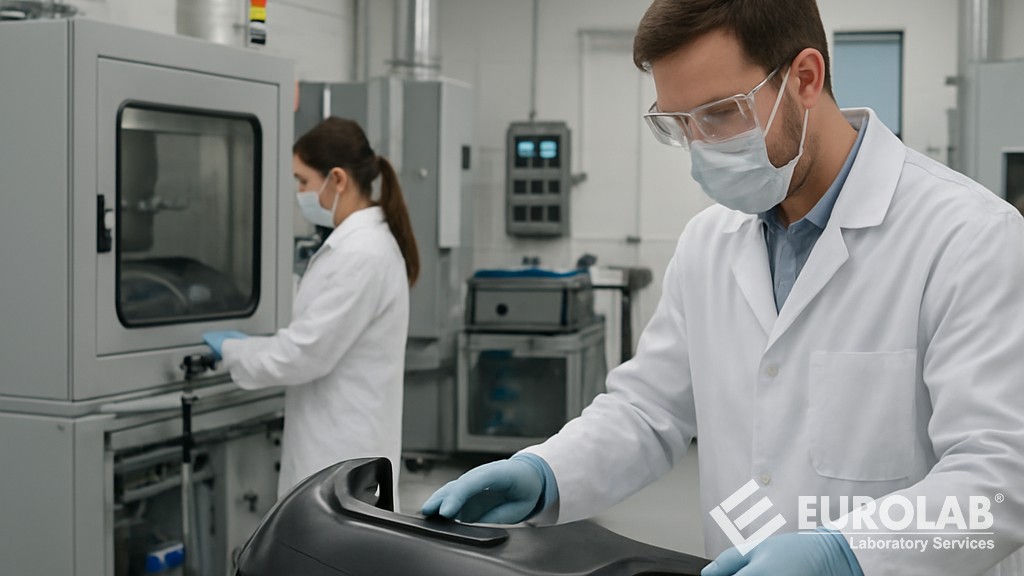
This standard applies to painted plastic parts exposed to the external environment. For example,
Unlike interior or under-the-hood applications, exterior parts must withstand harsh conditions such as those listed below:
The Hyundai-Kia MS655-15 standard updates the Hyundai-Kia MS 655-08 standard, which includes detailed tables for paint types, coating thickness, adhesion, scratch resistance, impact resistance, and other performance tests.
This standard generally includes the following tests:
These tests ensure that painted plastic parts retain their appearance and function for the life of the vehicle, typically 10 years or at least 150.000 km.
Relevant standards include MS 652-14 and MS 652-15 (painting or moisture resistance cycles on rigid thermoplastics). Additionally, MS 655-08 is a related version focusing on painted rigid thermoplastic parts with detailed performance criteria.
This standard reflects Hyundai and Kia’s commitment to high-quality, long-lasting exterior coatings and contributes to their improved reputation for vehicle durability and corrosion resistance in recent model years.
Major car manufacturers like Hyundai and Kia use detailed internal standards to define how parts should be tested and qualified (specifically surface treatments, materials, colors, and durability). In this context, the Hyundai-Kia MS655-15 standard is designed as a specification or test method related to exterior plastic parts and their paint/coating quality (e.g., surface properties, weather resistance, adhesion, etc.). Therefore, this standard is more of a technical performance or quality standard used by the manufacturer.
The Hyundai-Kia MS655-15 standard is considered essential to ensure that exterior plastic parts and coatings meet stringent performance, durability, and appearance requirements before being used on manufactured vehicles. The main reasons why this standard is considered so important are as follows:
This standard defines how coatings should perform under these stresses. Without these standards, parts may fade, peel, crack, or discolor prematurely.
By implementing this standard, Hyundai and Kia ensure a consistent surface appearance across their global production.
A validated standard reduces variability in supplier performance and prevents costly post-production problems.
This is crucial in large-scale automotive production.
These and similar standards help ensure compliance before parts go into production.
In short, the Hyundai-Kia MS655-15 standard,
For automotive manufacturers, surface finish is not just a cosmetic element, but also a critical factor in reliability and cost control.
In short, the Hyundai-Kia MS655-15 standard is part of a broader internal labeling system that automakers use to define how materials, coatings, and components must perform in tests before being approved for use in their production vehicles.
For many years, our organization, with its competent and experienced staff, has been understanding the needs of its customers, providing the advanced testing services they require, and assisting them in the establishment, implementation, and improvement of management systems. Within this framework, we also provide testing services to businesses in accordance with the "Hyundai-Kia MS655-15 Painting - Exterior Plastic Parts" standard.
To get an appointment, to get more detailed information or to request an evaluation, you can ask us to fill in our form and reach you.

