

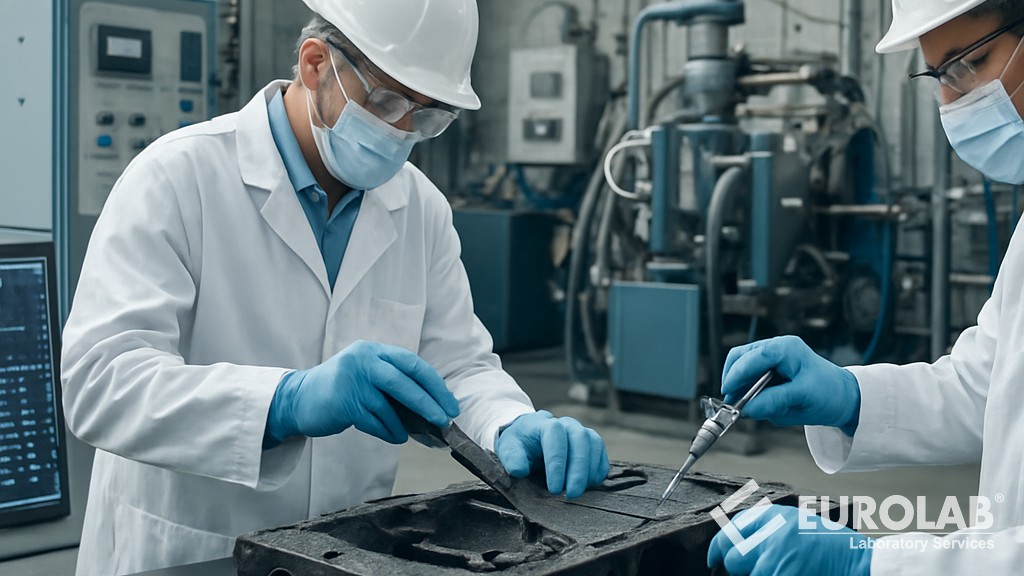
The “BMW AA 0547 Determination of Mass Per Unit Area, Effective Pile Thickness and Stitch Density” standard, developed by BMW, a multinational vehicle manufacturer, describes a procedure for determining the effective pile mass per unit area, effective pile thickness, and stitch density per unit area on the substrate for carpets and mats using a band saw cutting machine.
The BMW AA 0547 standard is particularly relevant to the following:
This test is typically used for interior trim components such as the following:
This ensures that these materials meet BMW's requirements in terms of wear resistance, dimensional stability, comfort, and long-term durability under real-world conditions.
These and similar tests help ensure that interior textiles remain abrasion-resistant, retain their appearance after years of use, and meet BMW’s high standards for superior feel and longevity. Accredited laboratories for BMW testing offer the BMW AA 0547 standard as part of broader automotive component qualification packages.
For BMW suppliers and manufacturers, passing these and similar standards is often mandatory for part approval. Failure can lead to batch rejection or redesigns. For owners and enthusiasts, this indirectly contributes to the renowned build quality of BMW interiors, such as durable carpets that don't wear out quickly or show signs of wear in high-traffic areas.
These measurements are essential because they directly impact many critical aspects of high-end vehicle interior quality, durability, comfort, safety, and manufacturing consistency. The main reasons why BMW, and the automotive industry in general, insists on precise control over these parameters are as follows:
Low pile mass leads to faster deterioration, resulting in premature replacement or customer complaints about the cheap feel. BMW aims for superior longevity. A very low mass does not meet in-house wear/tear specifications (typically compared with tests such as the BMW AA 0471 test or Martindale/Taber).
Combined with mass, this creates the density factor, a key indicator of how dense and flexible the pile is. Premium automotive carpets aim for a balanced, firm, yet plush feel without being overly soft.
A very low seam ratio indicates a sparse, weak structure, prone to unraveling or a visible back surface.
Small variations in raw materials, tuffing machines, or finishing can significantly alter the mass, thickness, or seam ratio (resulting in inconsistent interiors between vehicles). BMW uses this test to enforce tight tolerances and ensure every vehicle offers the same tactile quality.
Consequently, the BMW AA 0547 standard is important because floor textiles are one of the most visible and heavily used interior surfaces. Controlling the mass per unit area, effective pile height, and seam ratio ensures that the material does not wear out prematurely, maintains a luxurious feel over the years, remains consistent throughout production, and avoids functional/safety issues. These are not just nice features, but essential for maintaining BMW’s reputation for durable, high-quality interiors that age gracefully compared to mass-produced brands.
For many years, our organization, with its competent and experienced team, has been understanding the needs of its clients, providing the advanced testing services they require, and assisting them in the establishment, implementation, and improvement of management systems. Within this framework, we also provide testing services in accordance with the BMW AA 0547 standard.
To get an appointment, to get more detailed information or to request an evaluation, you can ask us to fill in our form and reach you.

