

The "GMW 15288 Scale Corrosion Rebound of Paint Systems on Metal Substrates" standard, published by General Motors (GM), describes a test method to be followed when evaluating scale corrosion resistance on painted metal surfaces such as steel, zinc-plated steel, and aluminum. Scale corrosion is the degradation or blistering of the paint film due to loss of paint adhesion and corrosion of the substrate metal.
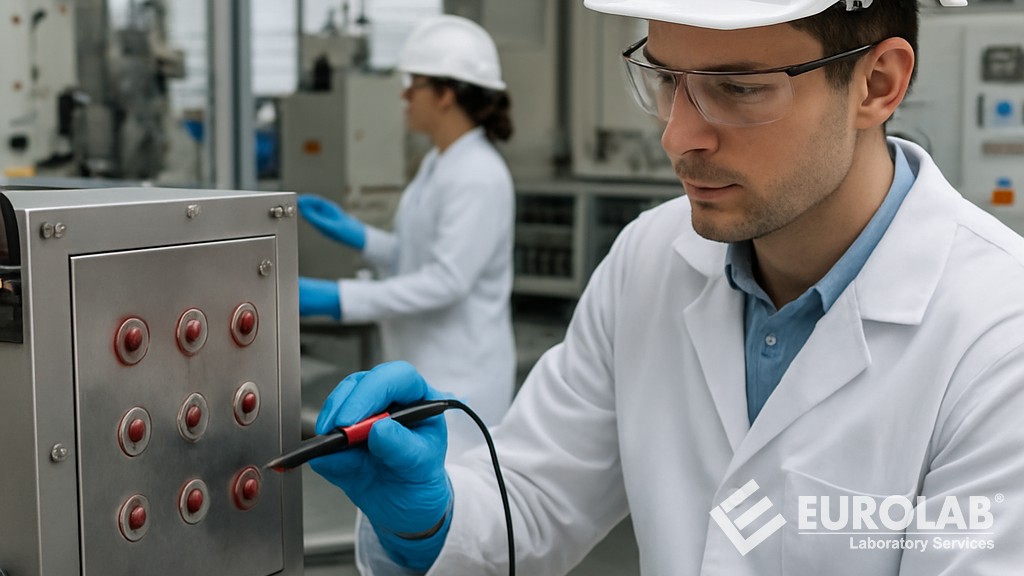
In the high-risk world of automotive manufacturing, ensuring the longevity and reliability of vehicle components is paramount. Paint systems on metal surfaces such as body panels, chassis parts, and substructures play a critical role in protecting against environmental degradation. Corrosion, particularly in harsh conditions like exposure to road salt during winter months, can lead to structural weaknesses, aesthetic damage, and costly repairs. To overcome these challenges, the automotive industry relies on testing standards developed by leading manufacturers. One such standard is GMW 15288, which focuses on evaluating the performance of paint systems in simulated corrosive environments.
The GMW 15288 standard has been established as a benchmark for corrosion resistance, helping engineers and suppliers verify that coatings can withstand scale corrosion, a specific type of blistering and abrasion that occurs in damaged areas of painted surfaces. As vehicles face increasingly diverse climate and road conditions, GMW 15288 and similar standards are essential for innovation in protective coatings and sustainable manufacturing practices.
Scale corrosion, sometimes also known as filiform corrosion, is a insidious form of deterioration where corrosion products form thread-like strands beneath the paint film, leading to blistering and flaking. This typically begins at a scratch, crack, or edge where the protective coating is punctured, allowing moisture, oxygen, and salts to penetrate. In automotive applications, scale corrosion is particularly problematic in exposed metal areas such as wheel wells, sills, and door edges, where stone chips or manufacturing defects create vulnerabilities.
The consequences are significant. Uncontrolled surface corrosion can jeopardize vehicle safety, accelerate rusting, and reduce resale value. The GMW 15288 standard addresses this problem by measuring the spread of corrosion from the initial damage site to the sides (rebound), providing a measurable benchmark for performance. By standardizing this test method, suppliers have been encouraged to offer coatings that meet stringent durability thresholds, leading to longer-lasting vehicles.
The GMW 15288 standard includes a methodical approach to evaluating rebound in scale corrosion scenarios. Its key elements involve preparing test panels, creating controlled damage, exposing them to corrosive conditions, and evaluating the results. The main steps of this method are as follows:
This procedure is consistent with broader industry tests such as SAE J2334 (cosmetic corrosion laboratory test) and ASTM B117 (salt spray), but the GMW 15288 standard's focus on shell-specific rebound makes it uniquely tailored to GM's vehicle architectures.
Compliance with the GMW 15288 standard presents challenges such as variability in substrate materials (e.g., high-strength steels) and accelerating global supply chain demands for environmentally friendly coatings with low volatile organic compounds. Traditional chromium-based linings are being phased out in favor of zinc-rich alternatives that must exceed rebound thresholds.
Recent innovations include self-healing polymers used to repair micro-scratches and graphene-enhanced paints that reduce filiform spreading by up to 50 percent. As electric vehicles become more widespread, adaptations of the GMW 15288 standard are emerging to test battery housing coatings against galvanic corrosion from mixed metals.
In short, the GMW 15288 standard meticulously measures the rebound of shell corrosion, providing protection against unseen threats that erode vehicle integrity.
For many years, our organization, with its competent and experienced staff, has been understanding the needs of its clients, providing the advanced testing services they require, and assisting in the establishment, implementation, and improvement of management systems. Within this framework, we also provide testing services to businesses in accordance with the "GMW 15288 Surface corrosion rebound of paint systems on metal substrates" standard.
To get an appointment, to get more detailed information or to request an evaluation, you can ask us to fill in our form and reach you.

