

The primary purpose of the “BMW AA P 124 Visual color comparison and metamerism test” standard, developed by BMW, a multinational vehicle manufacturer, is to define a standardized method for the following:
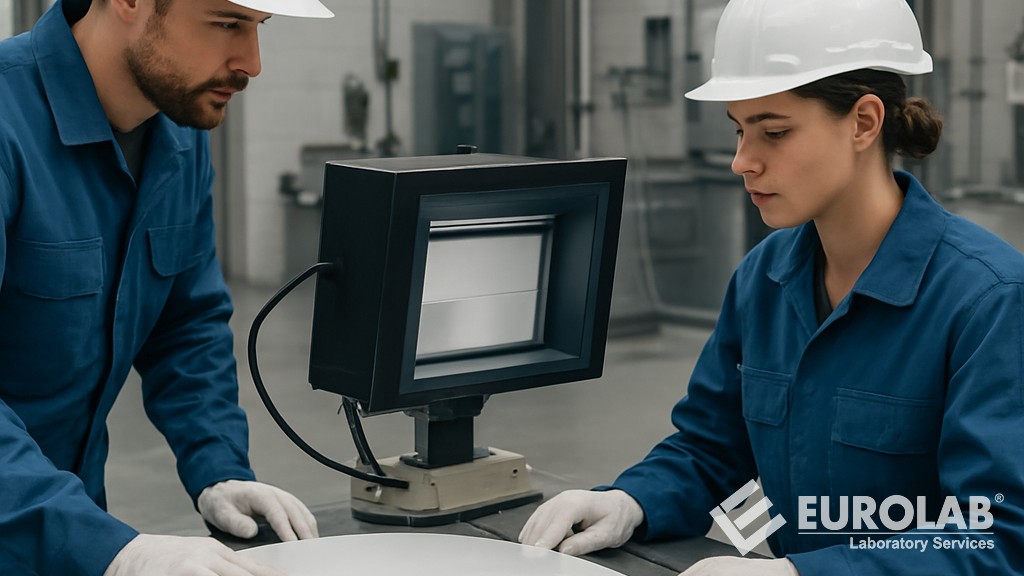
This method is typically performed under controlled lighting conditions, including multiple standardized illuminators (such as D65 for daylight simulation and A or F11 for artificial light). Inspectors visually evaluate samples from various angles and distances to detect subtle discrepancies or shifts that could affect perceived quality.
In BMW vehicles, consistent color and appearance are key to creating a perception of superior quality. Variations may result from:
The BMW AAP 124 standard helps ensure that painted or coated parts (e.g., body panels, bumpers, interior surfaces) maintain a uniform appearance throughout the vehicle's lifespan and across global production facilities. It is often referenced alongside other BMW standards for corrosion, chemical resistance, or weather resistance testing. This standard is frequently listed alongside similar appearance and durability tests, including:
Accredited testing laboratories use this method on behalf of BMW suppliers to verify compliance during part approval and quality control.
Typically, this standard applies in the following situations:
This method complements instrumental measurements (e.g., spectrophotometry) but emphasizes human visual perception under realistic conditions, as the final decision usually rests with trained supervisors.
This standard is consistent with broader industry practices for visual evaluation (similar to the visual color matching elements defined in ISO 3668 or ASTM D1729 standards).
The BMW AAP 124 standard directly addresses one of the most persistent and costly quality problems in premium automotive production: ensuring color matching between various materials and components under real-world lighting conditions experienced by customers. This standard is therefore considered essential.
Metamerism occurs when two or more surfaces match in color under one type of lighting but appear distinctly different under another. This is because different materials (e.g., body paint versus plastic bumpers, interior trim, or accessories) use different pigments, dyes, or formulations with different spectral reflectance curves. While they may be formulated to look the same under a single controlled light (such as factory daylight D65), a change in lighting—such as tungsten headlights, streetlights, fluorescent garage lights, or evening sunlight—reveals the mismatches.
In the automotive context, this leads to the following:
Real-world examples include:
Without standardized tests for this, thin metameric pairs might pass instrumental color checks (e.g., Delta E measurements under illumination) but fail in everyday use.
Instrumental measurements alone are not always sufficient. Spectrophotometers provide objective data, but human vision remains the ultimate judge, especially for effect pigments (metallic, pearlescent, or multi-layer paints) common in BMW vehicles. These create complex appearances depending on the angle and lighting. The BMW AAP 124 standard mandates visual evaluation under multiple standardized lighting conditions to simulate real-life scenarios (such as daylight and artificial light), catching issues that instruments might miss or underestimate.
One reason this standard seems important is for business and brand protection:
In short, the BMW AAP 124 standard exists to bridge the gap between laboratory/factory conditions and the unpredictable real-world lighting that drivers encounter daily. This visual metamerism-focused control complements other standards such as gloss, adhesion, or chemical resistance to deliver the cohesive, high-end look demanded by BMW customers.
For many years, our organization, with its competent and experienced team, has been understanding the needs of its clients, providing the advanced testing services they require, and assisting them in the establishment, implementation, and improvement of management systems. Within this framework, we also provide testing services in accordance with the BMW AAP 124 standard.
To get an appointment, to get more detailed information or to request an evaluation, you can ask us to fill in our form and reach you.

