SAE J1960 Accelerated Exposure of Automotive Exterior Materials Using a Controlled Radiation Water-Cooled Xenon Arc Apparatus
The standard “SAE J1960 Accelerated exposure of automotive exterior materials using a controlled-beam, water-cooled xenon arc apparatus,” developed by the American Society of Automotive Engineers (SAE), describes the operating procedures for a controlled-beam, water-cooled xenon arc apparatus used for accelerated exposure of various automotive exterior materials.
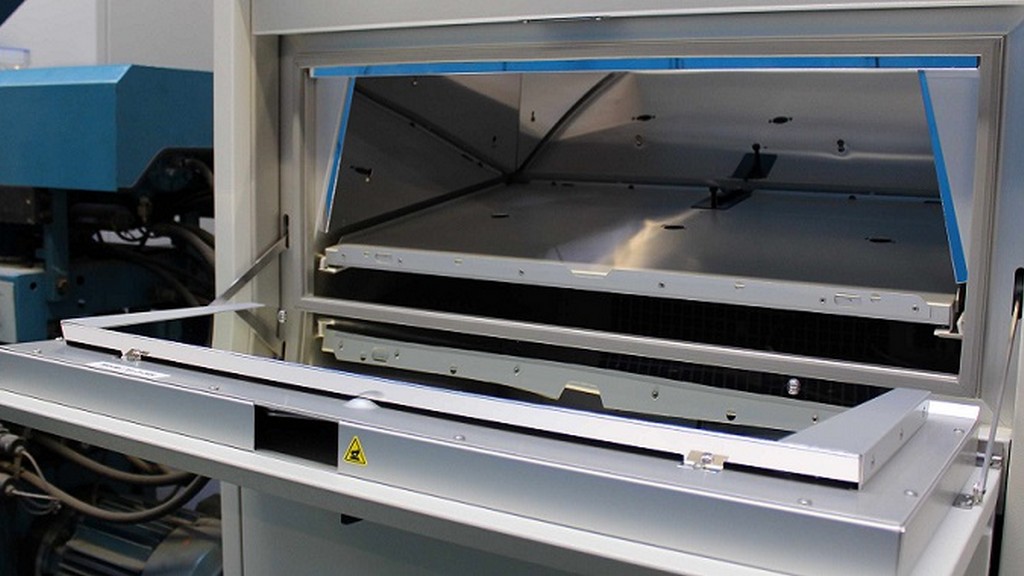
This standard is limited to the xenon arc test apparatus models specified in the equipment section. All other xenon arc test apparatus models must use the "SAE J2527 Performance-Based Standard for Accelerated Exposure of Automotive Exterior Materials Using a Controlled Irradiation Xenon Arc Apparatus" standard to perform the test conditions specified in SAE J1960. SAE J2527 is a performance standard based on the test parameters of SAE J1960. The use of a xenon arc test apparatus to perform SAE J2527 must be agreed upon by the contracting parties.
For the purposes of this standard, the following terms and definitions apply:
- A black panel thermometer is a temperature measuring device with a sensing unit coated in black enamel, designed to absorb most of the radiant energy encountered in fade-abrasion testing. This device provides an estimate of the maximum temperature a sample can reach when exposed to natural or artificial light.
- The center wavelength is the wavelength specified for bandpass filters, the wavelength between the half-power points.
- Color change, as used in fade-wear testing, is any type of color change (change in hue, saturation, or brightness).
- The half-power bandpass is the range between wavelengths where the transmittance is 50 percent of the peak (for a narrow bandpass filter, it should not exceed 20 nm).
- Irradiance is the radiant flux per unit area of a surface.
- Controlled irradiance is the maintenance of a preselected irradiance over a specified exposure interval by closed-loop feedback.
- Spectral irradiance is the irradiance per wavelength range.
- Total irradiance is the irradiance integrated across all wavelengths of a light source on an exposed surface.
- Long arc xenon is a xenon arc in which the length of the arc between the electrodes is greater than the diameter of the envelope surrounding the arc.
- Peak wavelength is the wavelength of peak transmission.
- Radiant exposure is the integral of radiation intensity over time.
- Spectral radiant exposure is the time integral of the spectral irradiance intensity.
- The reference plastic is a transparent polystyrene plastic standard selected for exposure as a test device and a control on operating conditions.
- A laboratory sample is a piece of material taken to represent a lot sample or original material and used as a source of test samples in the laboratory.
- A sample is a specific portion of a material or laboratory sample on which a test is performed or selected for this purpose.
- Spectral power distribution is the relative power emitted by a source as a function of wavelength.
The SAE J1960 standard is widely used in the automotive industry to evaluate the weatherability of exterior materials such as plastics, paints, and coatings under simulated sunlight and environmental conditions. The purpose of the SAE J1960 test is to provide a controlled laboratory method that predicts the effects of prolonged exposure to sunlight, humidity, and heat on automotive materials. While real-world weathering can take months or years, this accelerated test, using xenon arc light sources, reproduces these conditions in a much shorter time.
The main features of the test method described in this standard are:
- Xenon-arc light source: Simulates full-spectrum sunlight, including UV, visible, and infrared light. Provides a realistic representation of solar radiation compared to other artificial light sources.
- Controlled irradiance: Maintains a consistent irradiance level. Ensures test repeatability and accurate simulation of natural sunlight intensity.
- Environmental conditions: Include light and humidity cycles (via water spray or humidity). Include temperature control to reflect typical daytime heating and nighttime cooling.
- Test duration and evaluation: Exposure time can vary, typically up to 2000 hours depending on the material and application. Materials are visually inspected and tested for discoloration, loss of gloss, cracking, brittleness, and mechanical deterioration.
The SAE J1960 standard is particularly useful for:
- Automotive original equipment manufacturers and suppliers testing the durability of coatings, plastics, composites and textiles.
- Evaluation of external components such as:
- Dashboards, bumpers, mirror housings, trims
- Automotive paints and varnishes
- Decorative and functional plastics
- Supporting product development and validation for UV and weather resistance.
The SAE J1960 standard plays a vital role in the automotive industry due to its ability to evaluate the durability of exterior materials under accelerated weathering conditions. Key reasons for its importance include:
- Accelerated material life prediction: This standard allows manufacturers to simulate years of outdoor exposure (sunlight, humidity, and heat) in a laboratory environment within weeks or months. This enables faster product development cycles and early detection of material weaknesses. It also reduces time to market.
- Reliable simulation of natural sunlight: Using a xenon arc light source, the test closely mimics the full spectrum of natural sunlight, including UV radiation, which is the primary cause of weathering damage to polymers, coatings and paints.
- Supports quality and performance assurance: This standard helps ensure that coatings, plastics, and other exterior parts meet performance requirements for color stability, gloss retention, crack resistance, and UV degradation resistance. This is critical for customer satisfaction and brand credibility.
- Industry acceptance and comparison: This standard has been widely adopted by original equipment manufacturers and suppliers as a reference method for verifying outdoor durability. It provides a consistent and repeatable means for comparing materials across manufacturers and regions.
- Reduces warranty and maintenance issues: This standard identifies materials prone to premature failure, helping to prevent: costly warranty claims, surface defects that compromise vehicle aesthetics and functionality, and material degradation that impacts long-term safety and durability.
- Regulatory Compliance: Many industry specifications require testing to SAE J1960 or its successor, SAE J2527. Compliance with these standards ensures compliance with internal and external performance requirements.
SAE J1960 is important because it provides a proven, scientifically sound method for evaluating how automotive materials respond to long-term exposure to outdoor environments.
Our organization, which has been supporting businesses across all sectors for years through a wide range of testing, measurement, analysis, and evaluation activities, boasts a strong team of employees who closely follow global developments in science and technology and are constantly improving themselves. In this context, we also provide testing services in accordance with the standard "SAE J1960 Accelerated Exposure of Automotive Exterior Materials Using Controlled Radiation Water-Cooled Xenon Arc Apparatus."



