

Developed by BMW, a multinational vehicle manufacturer, the “BMW AAP 308 Hydrolysis Test” standard is a specialized test standard designed to evaluate the hydrolysis resistance of materials used in automotive interiors and components. Hydrolysis refers to the chemical breakdown of materials (such as coatings, plastics, foams, adhesives, or textiles) over time when exposed to moisture, heat, and sometimes other environmental factors. This degradation can lead to softening, cracking, discoloration, loss of adhesion, or reduced mechanical properties, making it a critical concern for long-term durability in vehicle cabins where humidity and temperature fluctuations occur.
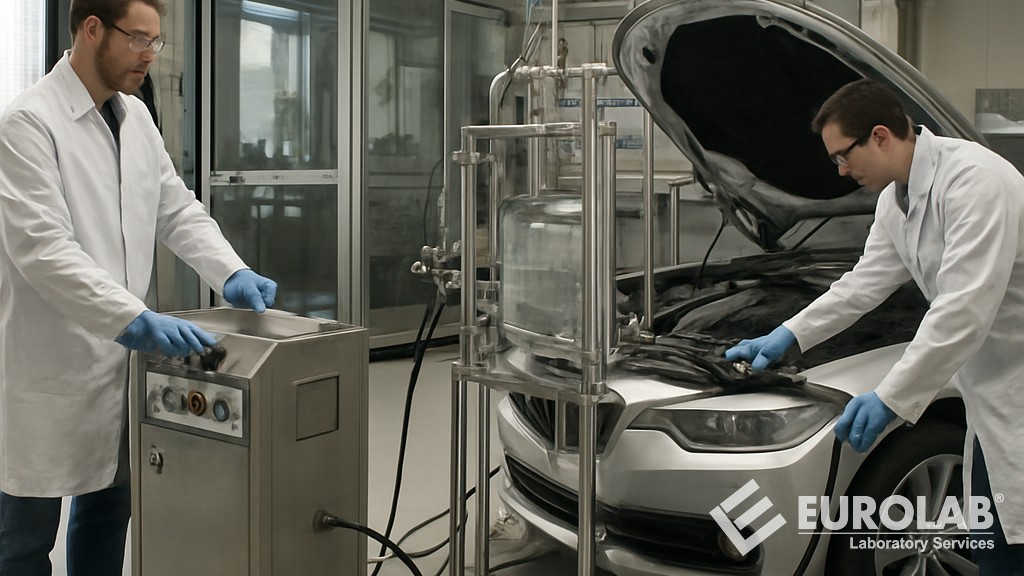
This standard defines a controlled, accelerated hydrolysis test to simulate real-world aging conditions. It helps ensure that interior trim pieces, painted surfaces, coated plastics, leather alternatives, or other polymeric materials maintain their performance and appearance throughout the vehicle's lifespan.
This standard is often referred to in conjunction with related BMW standards such as the following:
Hydrolysis tests under the BMW AAP 308 standard typically include the following:
This testing method is part of a broader suite of environmental durability tests required of BMW-approved parts suppliers to verify material stability under hot and humid conditions, such as in tropical climates or during prolonged vehicle use.
Hydrolysis resistance is necessary for:
Failure to function properly can lead to warranty claims, safety issues (such as malfunctioning airbags or upholstery separation), or aesthetic complaints.
Test laboratories worldwide offer this standard as an accredited service, often including cross-cut/adhesion checks. This standard continues to be used for current BMW quality assurance. It plays a key role in ensuring that the interior materials of BMW vehicles withstand environmental influences to deliver reliable performance for many years.
The BMW AAP 308 standard hydrolysis test is required because many modern automotive interior materials, particularly polyurethane (PU) coatings, foams, adhesives, synthetic leathers, protective coated textiles, and some plastics, are susceptible to hydrolysis. Hydrolysis is a chemical degradation process triggered by prolonged exposure to moisture (humidity) combined with high temperatures.
Hydrolysis in vehicles is a real risk because vehicle interiors are exposed to harsh environmental conditions over years of use.
In sensitive materials, water molecules react with polymer chains (for example, ester bonds in polyurethane coatings) and break them down. This leads to:
These changes compromise the look, tactile feel, durability, and perceived premium feel that are important to BMW's brand image. They can also lead to costly warranty claims, customer complaints, recalls, or lower resale value.
This standard is considered important for the following reasons:
In conclusion, the BMW AAP 308 standard is designed to preserve long-term reliability, aesthetic integrity, and customer satisfaction by eliminating materials prone to subtle, time-delayed deterioration from everyday humidity and heat. This is particularly important for luxury brands like BMW, where interior quality directly impacts buyer perception and loyalty.
For many years, our organization, with its competent and experienced staff, has been understanding the needs of its customers, providing the advanced testing services they require, and assisting in the establishment, implementation, and improvement of management systems. Within this framework, we also provide testing services in accordance with the "BMW AAP 308 Hydrolysis test" standard.
To get an appointment, to get more detailed information or to request an evaluation, you can ask us to fill in our form and reach you.

