

The “FCA PS.50027 Hot-dip galvanized steel sheet and strip” standard, developed by Fiat Chrysler Automobiles (FCA) (now Stellantis), an Italian-American automotive company, describes the classification, requirements, and test methods for hot-dip galvanized steel sheets and strips.
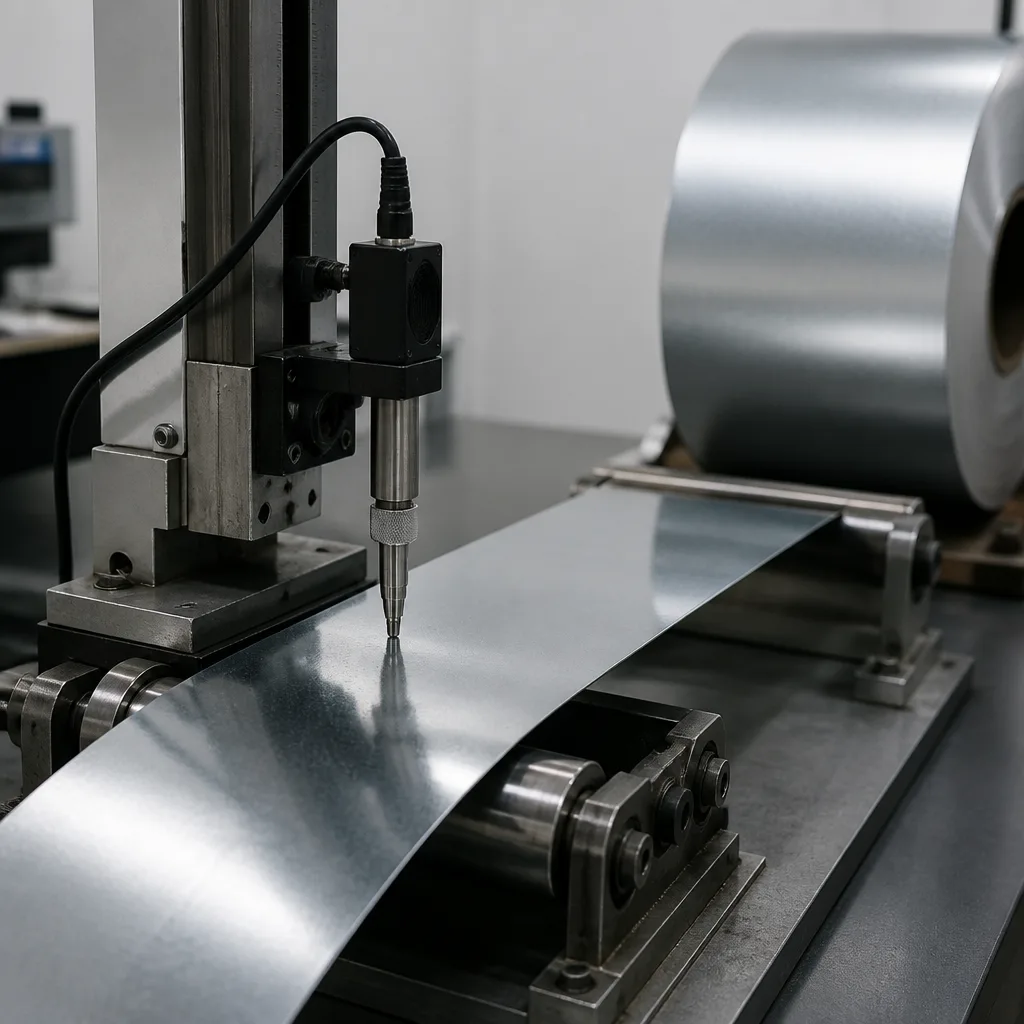
The products specified in this standard are supplied in rolls or cut lengths and are typically used in components requiring good corrosion resistance, good cold formability, and designed for cationic electrophoretic painting.
This standard covers sheet steel coils that have been continuously processed through a molten zinc bath to apply a specified amount of zinc coating to their surface. These coated steels can be supplied as unexposed and exposed grades. Specific requirements for the exposed grade surface are set out in the FCA MS.50002 standard.
Unless otherwise specified, the basic type of steel required for the manufacture of a particular part is determined by agreement between the relevant parties at the time of ordering. The mechanical properties and formability of the supplied sheet metal product must conform to the requirements of the standards covering the relevant uncoated materials. The supplier shall take all necessary precautions to ensure that the sheet metal product meets the requirements. These precautions depend on the type of processing equipment used and may include the use of degassed steels or tempered rolling on the sheet metal product, or the use of gapless steels.
Coating mass is determined using the three-point method, in accordance with the current revision of the ASTM A90 standard, but coating weight measurement is performed separately on both sides of the plate. For coating line process control, in-line X-ray fluorescence coating mass measurement according to the latest revision of the “ASTM A754/A754M Standard test method for determining the coating weight (mass) of metallic coatings on steel by X-ray fluorescence” standard is acceptable if proper calibration is provided using the weigh-strip-weigh method (ASTM A90 standard). However, in case of a dispute, the weigh-strip-weigh method shall be the arbitration method. For coating mass classes for hot-dip galvanizing, hot-dip galvanizing-magnesium coating, and hot-dip electroplating, the FCA MS.50002 standard applies.
Coating thickness is determined using one of the following methods:
In short, the FCA PS.50027 standard is a supply/material specification for hot-dip galvanized steel sheets and strips used in automotive manufacturing. This standard defines the coating types, corrosion resistance, adhesion, weldability, inspection criteria, and test methods for galvanized automotive steels.
This specification covers continuous hot-dip coated steel supplied in coils or cut lengths for automotive body and structural applications and must meet the following requirements:
This standard applies primarily to the following:
These materials are commonly used in the following areas:
The main technical areas covered by this standard are as follows:
These coatings are selected based on corrosion objectives, paintability, and welding performance.
The FCA PS.50027 standard specifies the following methods for measuring coating mass and thickness:
Coating class determines the expected corrosion performance.
The FCA PS.50027 standard includes bending and adhesion tests to ensure the coating remains adhered during forming processes. For thicker or higher strength materials:
This standard distinguishes between the following requirements:
In terms of surface appearance requirements, the specification requires the following:
Special attention is paid to exposed automotive surfaces where paint appearance quality is critical.
One of the primary functions of the FCA PS.50027 standard is to define corrosion performance. This standard specifies salt spray exposure times for different coating masses before base metal corrosion is permitted. Example requirements include:
After deformation processes such as tensile testing, corrosion testing of the formed part is also required.
In terms of paintability and weldability, the material must provide the following:
This standard refers to FCA welding standards PS.50001/01 and PS.50004/01.
The FCA PS.50027 standard is related to the following relevant FCA/Stellantis standards:
The FCA PS.50027 standard is considered important because it standardizes the following:
Automotive original equipment manufacturers rely on these specifications to ensure long-term body durability and consistent production quality at their global facilities.
For many years, our organization, with its competent and experienced staff, has been understanding the needs of its clients, providing the advanced testing services they require, and assisting them in the establishment, implementation, and improvement of management systems. Within this framework, we also provide testing services compliant with the FCA PS.50027 standard.
To get an appointment, to get more detailed information or to request an evaluation, you can ask us to fill in our form and reach you.

