

The MBN 10284 standard, developed by the Mercedes-Benz Group, formerly known as Daimler and today one of the most successful automotive companies in the world, consists of the following parts:
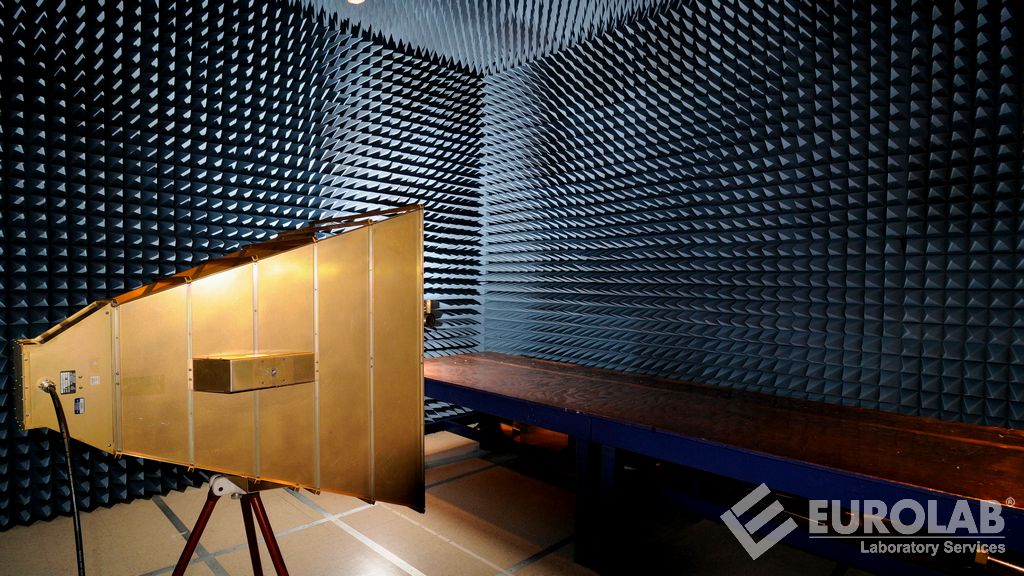
The purpose of the Daimler MBN 10284-1 standard is to ensure electromagnetic compatibility (EMC) inside the vehicle. To achieve this goal, all necessary tests are described and the permissible disseminated ailments and immunity requirements are explained. Deviations from the requirements contained in this standard are only permitted if expressly agreed in the specification book between the supplier and the Mercedes-Benz vehicle series in the Daimler Group.
Requirements are not considered to be met until both component testing and vehicle testing have been passed. The purpose of component testing is the prequalification of components at a time when no tools are available yet. Vehicle testing is sufficient for electromagnetic compatibility (EMC) approval. All suppliers must comply with this standard. This standard applies to all electrical and electronic components and subassemblies installed in Mercedes-Benz vehicles.
The Daimler MBN 10284-2 standard defines electromagnetic compatibility (EMC) performance requirements for electrical and electronic components and systems in cars and vans. It also describes test methods and specifies test levels and limits. The aim of this standard is to ensure the electromagnetic compatibility (EMC) of such vehicles. This standard applies to all electrical and electronic components and systems used in Daimler vehicles. This standard is used in conjunction with the first part, which defines the EMC performance requirements for vehicle testing.
The Daimler MBN 10284-2 standard describes requirements and test methods for electromagnetic compatibility (EMC) performance testing of components for cars and light trucks, while the Daimler MBN 10284-4 standard describes requirements and test methods for electromagnetic compatibility (EMC) performance testing of components for trucks and buses. explains.
Briefly, automotive electromagnetic compatibility (EMC) testing is carried out to measure radio frequency (RF) emissions from vehicle electrical systems and to evaluate their sensitivity to radio frequency (RF) signals generated from non-vehicle sources as well as other devices on the vehicle.
Among the numerous tests, measurements, analyses, and evaluations our organization provides for businesses in various sectors, we also offer testing services to determine EMC performance requirements for vehicles under the MBN 10284 standard, utilizing a trained and expert staff and advanced technological equipment.
To get an appointment, to get more detailed information or to request an evaluation, you can ask us to fill in our form and reach you.

