

Developed by Stellantis, a multinational automotive manufacturing company formed by the merger of Italian-American Fiat Chrysler Automobiles (FCA) and the French PSA Group, the “Stellantis PF.90005 Side Cladding and Extenders” standard covers environmental, physical, electrical, mechanical, functional, regulatory, and durability requirements for exterior parts such as body side moldings, door and tailgate trims, sill trims, and fender extensions for all makes in all regions.
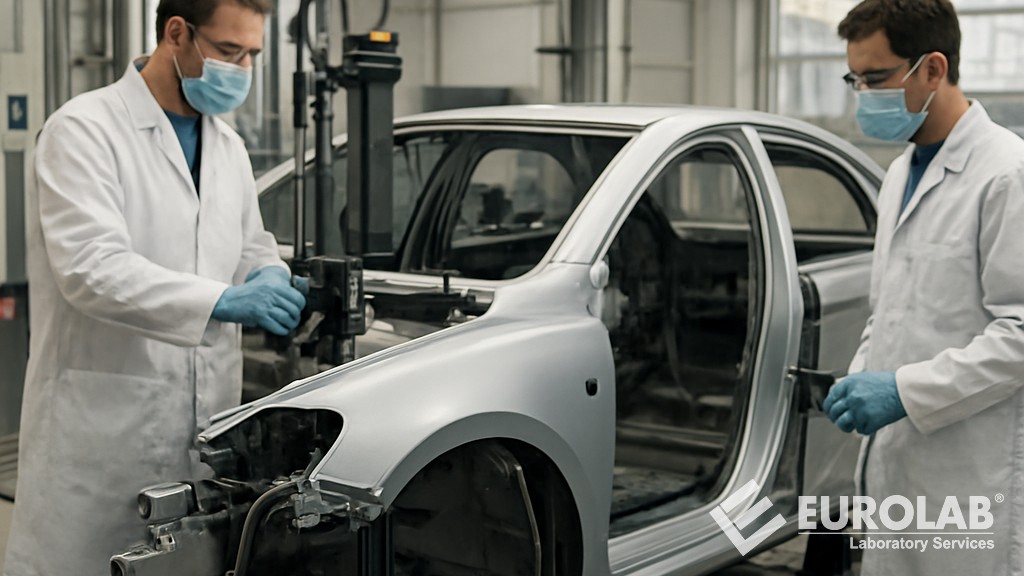
Side panels and fender extensions are a set of parts consisting of body side moldings, door panels, tailgate trims/trims, sill trims, and wheel arch extensions. These are aesthetic and functional plastic components used as exterior trim, attached mechanically or with adhesive to vehicle body panels such as doors, fenders, body side openings, and dashboards.
In automotive manufacturing, side panels and extensions refer to body components that form, reinforce, or expand the side structure of a vehicle. These parts are vital for vehicle aesthetics, aerodynamics, structural integrity, and the protection of internal components. They are commonly used in passenger cars, trucks, buses, and commercial vehicles.
Side panels are large body panels that form the left and right sides of a vehicle's body. They form a significant part of the exterior body structure and contribute to both the appearance and structural integrity of the vehicle.
Common side panels include:
The main functions of the side panels are as follows:
Side panels are typically made from the following materials:
Extenders are additional components fitted to side panels to increase surface area, improve protection, or modify the vehicle's design. Common types of extenders include:
Extenders serve a variety of purposes:
Expanders are typically made from lightweight and durable materials such as:
In vehicle body and exterior trim systems, side panels and extenders together perform the following functions:
These are produced through processes such as pressing, injection molding, thermoforming, and composite molding.
In short, side panels are the main structural and exterior body panels that make up the sides of a vehicle, while extenders are auxiliary components attached to these panels that increase coverage, improve aerodynamics, or enhance styling. Together, they contribute to the vehicle's structure, protection, and visual design.
In terms of hazardous materials control, the products and processes used in the production of products listed in the Stellantis PF.90005 standard must comply with worker and consumer health, worker safety, regulated substances, recycling, and environmental reporting requirements.
The mandatory or recommended tests specified in this standard are intended to ensure conformity to the specification, but do not relieve the responsible organization of the obligation to ensure that the component or system meets all applicable environmental, physical, electrical, mechanical, functional, regulatory and durability requirements, including all applicable system interface requirements described in the standard, for the entire specified service life.
A test plan is developed to verify and validate all required functions specified in this standard. The responsible organization provides additional tests deemed necessary to meet the functional requirements. The tables presented in this standard contain a summary of all requirements and are used in developing the test plan.
Samples used for design validation must meet the specified drawing tolerance range. Samples used for production validation must meet the statistical capabilities for the machinery and production processes.
If necessary, each item of the test plan should be supported by a comprehensive test or laboratory procedure.
The Stellantis PF.90005 standard is an internal engineering specification. The PF series of specifications defines performance, quality, and verification requirements for automotive materials, components, or test procedures used in Stellantis vehicle development and manufacturing. The structure and purpose of the PF.90005 standard follow the common model of original equipment manufacturer standards used in the automotive industry. These standards ensure that components supplied to Stellantis meet stringent requirements for safety, durability, and regulatory compliance.
The primary objectives of the Stellantis PF.90005 standard are as follows:
For many years, our organization, with its competent and experienced team, has been understanding the needs of its clients, providing the advanced testing services they require, and assisting them in the establishment, implementation, and improvement of management systems. Within this framework, we also provide testing services compliant with the Stellantis PF.90005 standard.
To get an appointment, to get more detailed information or to request an evaluation, you can ask us to fill in our form and reach you.

