

The “DAF KEUR 00822-104 Coating materials - Determination of tear and spread strength” standard, developed as part of the official approval or certification process for parts, materials, or processes used in trucks manufactured by DAF, a Dutch truck manufacturer, describes a specific test method within the KEUR 00822 series that covers the mechanical and physical properties of fabrics, artificial leather, upholstery, foam-backed textiles, and similar materials used in truck cabs (e.g., seats, panels, headliners).
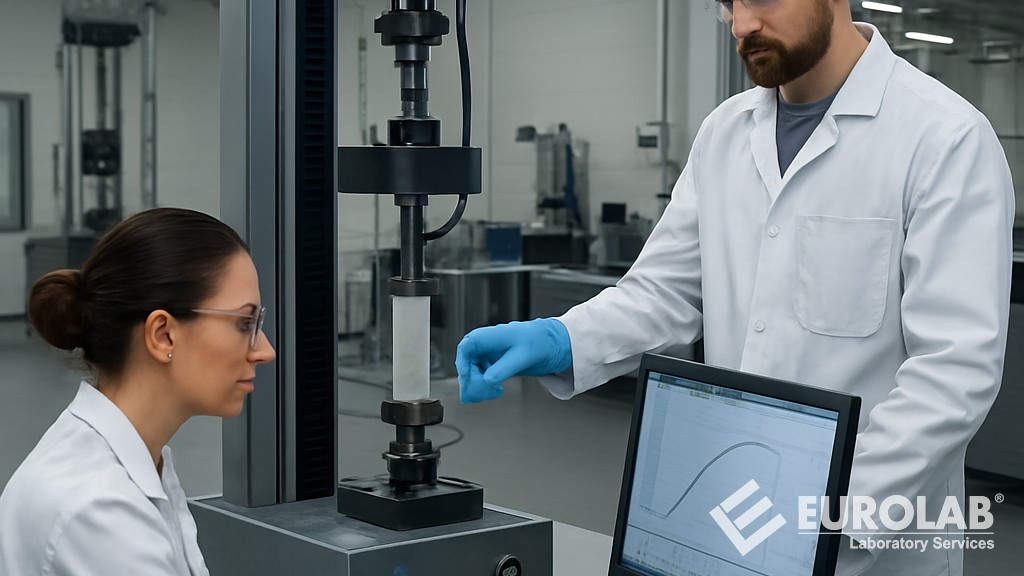
This standard specifically addresses the determination of tear strength. This is often described as a trouser leg or trapezoidal tear test. It is a mechanical test performed to assess how well a material resists the propagation of tear once the tear has begun.
This testing method typically involves preparing a test specimen with a controlled cut or slit and then applying force to propagate the tear (usually using a tensile testing machine). The force required to sustain the tear is measured, providing information about the material's durability and resistance to damage from abrasion, impact, or sharp edges in real-world truck use.
This method complies with international standards such as “ASTM D2261 Standard method for testing the tear strength of fabrics by the tongue method (single tear) (constant elongation tensile testing machine)” or “ASTM D5587 Standard test method for testing the tear strength of fabrics by the trapezoid method”, but has been adapted to DAF’s specific requirements for heavy-duty vehicle applications.
In general, the DAF KEUR 00822 standard series focuses on mechanical durability tests for interior and trim materials.
Companies supplying materials to DAF must demonstrate compliance with these standards during material approval, typically as part of the production part approval process. This testing method ensures that materials can withstand the demanding conditions of commercial trucks (long service life, frequent cleaning, mechanical stress from drivers/passengers, and exposure to varying climates), helping to maintain safety, comfort, and durability.
The primary purpose of the DAF KEUR 00822-104 standard is to determine the tear strength (often referred to as tear resistance) of fabric and plastic materials used in the interior of DAF trucks.
Tear strength measures how resistant a material is to tear propagation once tearing has begun. It is a critical property for materials such as seat covers, upholstery fabrics, headliners, and other interior components that may be subjected to snagging or puncture forces during daily use.
Good tear resistance is important because,
The test generally follows these steps:
The precise fixture type, grip range, and test speed are defined in the KEUR specification to ensure that results are consistent and comparable across different materials and laboratories.
The coating materials on heavy vehicles such as DAF trucks are subjected to repeated mechanical stresses:
Without sufficient tear resistance, internal materials may deteriorate sooner than expected, leading to:
By defining standardized tests like these, DAF ensures that materials selected by suppliers meet the durability expectations specific to vehicle designs.
The DAF KEUR 00822-104 standard is part of a series of tests for coating materials and also includes other standards addressing the following characteristics:
Taken together, these features help DAF to control and verify the key performance characteristics of materials that affect the comfort, functionality, and long-term integrity of its truck interiors.
In conclusion, the DAF KEUR 00822-104 standard is a company-specific test standard defined for measuring the tear strength of cladding materials. It provides a standardized procedure for evaluating how resistant a material is to tear propagation, which is a crucial factor for the durability and service life of internal components.
For many years, our organization, with its competent and experienced staff, has been understanding the needs of its customers, providing the advanced testing services they require, and assisting them in the establishment, implementation, and improvement of management systems. Within this framework, we also provide testing services to businesses in accordance with the DAF KEUR 00822-104 standard.
To get an appointment, to get more detailed information or to request an evaluation, you can ask us to fill in our form and reach you.

