

The “BMW AA 0079 Determination of Stone Impact Resistance Using Multiple Impact Methods” standard, developed by BMW, a multinational vehicle manufacturer, describes a test method that simulates real-world damage to a vehicle's paintwork from road debris such as gravel, stones, or sand thrown up from tires. The primary purpose of this standard is to assess how well a vehicle's exterior paint and coatings withstand repeated impacts from small objects. This is crucial for ensuring long-term corrosion protection, paint layer adhesion, and overall aesthetic durability. The test method serves two purposes:
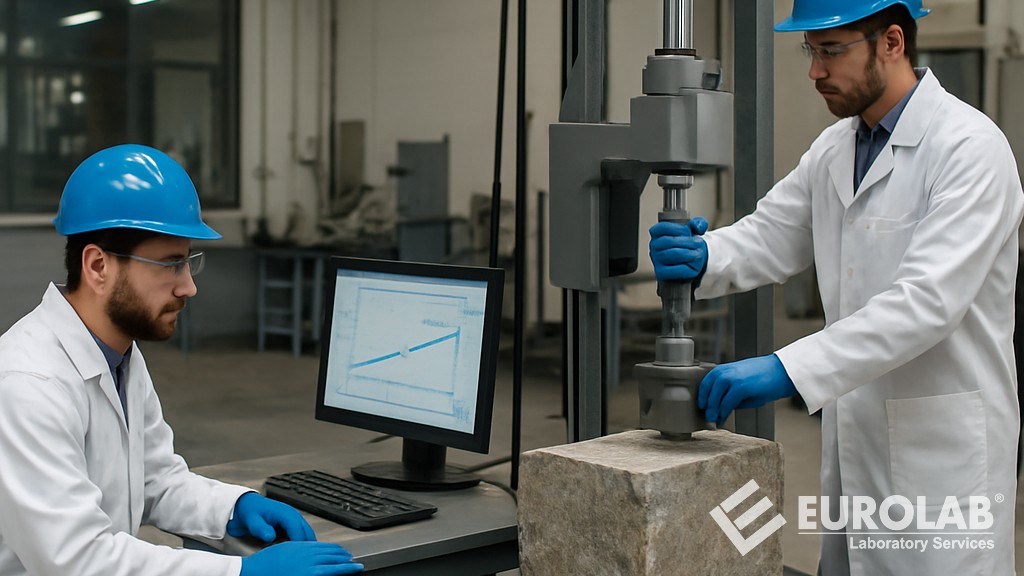
In BMW vehicles, initial sample testing of body parts, plastic components, and metal surfaces is commonly required during general approvals and quality assurance.
This testing method involves a multiple-impact approach where standardized projectiles (typically cooled iron pellets or similar) are fired multiple times at a test panel under controlled conditions. This, unlike single-impact tests, mimics the cumulative damage from stone impacts over time. The evaluation includes visual inspection for chipping, cracking, or delamination, often along with additional steps such as saltwater immersion for corrosion assessment.
This standard is referenced in broader BMW specifications such as BMW GS 90011 (for coatings) and equivalent standards like DBL 5416 or ISO 20567-1.
The BMW AA 0079 standard is widely used by material testing laboratories and suppliers to meet BMW's stringent quality requirements for painted parts in exterior, interior, and engine bay applications. Independent laboratories provide accredited testing according to this specification, ensuring components pass these tests before being integrated into production vehicles.
While not a consumer-oriented feature, standards like BMW AA 0079 enhance BMW's reputation for high-quality paint coatings that effectively withstand everyday road hazards. For those involved in materials engineering or supplier verification, this test is a crucial benchmark for stone chip performance.
The BMW AA 0079 standard for multi-impact stone chip resistance testing is essential for ensuring the long-term durability, safety, and quality of automotive paint systems. This standard is considered important for the following reasons:
In regions experiencing harsh winters (e.g., road salt) or coastal areas (salty air), this risk increases. This standard helps detect weak coatings early, ensuring they provide adequate protection against the onset of corrosion.
In conclusion, the BMW AA 0079 standard is not just a test method, but a proactive measure to deliver vehicles that are resistant to common road damage, minimize corrosion risks, and maintain high standards throughout years of use. Without this standard, paint systems could fail prematurely in real-world conditions, leading to safety issues, higher costs, and dissatisfied owners.
For many years, our organization, with its competent and experienced team, has been understanding the needs of its clients, providing the advanced testing services they require, and assisting them in the establishment, implementation, and improvement of management systems. Within this framework, we also provide testing services in accordance with the BMW AA 0079 standard.
To get an appointment, to get more detailed information or to request an evaluation, you can ask us to fill in our form and reach you.

