

The USCAR2-8 Performance specifications for automotive electrical interconnect systems standard, developed by the Society of Automotive Engineers (SAE), describes performance testing for all phases of development, manufacturing, and field analysis of electrical terminals, connectors, and components that constitute electrical interconnect systems for road vehicle applications that are low voltage (0 to 20 V DC) or coaxial. This standard also includes incomplete (mechanical) specifications for jacketed twisted pair connectors.
These procedures apply only to terminals used for in-line, header, and device connector systems. However, this standard does not apply to edge panel connector systems, twist-lock connector systems, alternating current (AC) or direct current (DC) 20 Volt and above, or ring terminals.
No electrical connector, terminal or related component can be claimed to meet USCAR specifications unless compliance with all applicable requirements of this standard has been verified and documented. All necessary verification and documentation must be performed by the supplier of the part or parts. If testing is performed by another source, this does not relieve the primary supplier of the responsibility for documentation of all test results and verification that all tested samples meet all applicable acceptance criteria.
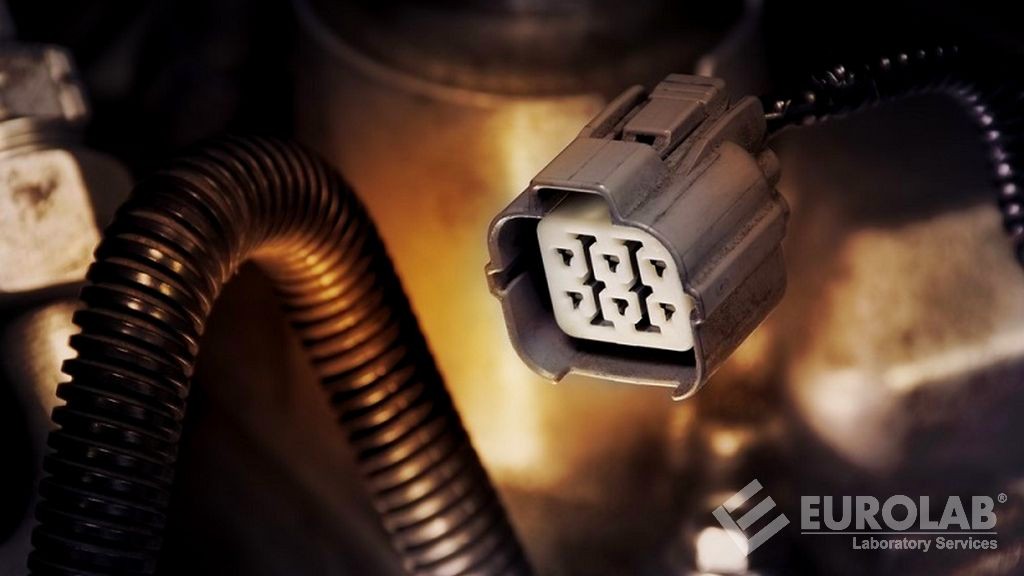
Automotive electrical connectors are an important component of vehicle wiring systems as they are a piece of equipment that performs the important task of connecting various parts of the vehicle's wiring harness together. Without automotive electrical connectors, it would be nearly impossible for automotive engineers to quickly create automotive components that are perfectly compatible with each other.
Automotive electrical connectors come in a wide variety of shapes and sizes, and some are designed for very specific automotive tasks, such as starting an engine or working with fuel lines. In general, automotive electrical connectors provide an essential connection between all the moving parts that help power the vehicle.
Automotive electrical connectors can be found in nearly every automotive application, from radios to fuel injectors. These rugged, reliable parts are designed to protect electrical circuits from damage caused by vibration, heat, or corrosion.
Automotive electrical connection systems have a wide variety of features depending on their intended use, such as strong contacts for charging batteries or crimping and soldering systems for different types of wiring. Additionally, automotive electrical connectors come in many different shapes and sizes to fit into tight spaces in vehicles.
Automotive electrical connectors are an important component or device in many automotive systems. They provide reliable connections between multiple electrical circuits while preventing interference that could affect the vehicle's performance. These connectors come in a variety of shapes and sizes to meet the diverse needs of automotive systems, from heavy-duty industrial applications to smaller automotive lighting installations.
Automotive electrical connectors also provide excellent protection against high temperatures, humidity, and corrosive elements for long-term performance. Additionally, these connectors are designed with a number of features such as self-cleaning contacts, integrated seals, and customizable housings for increased reliability.
Automotive electrical connectors play a key role in the overall performance of a vehicle as they provide a strong and reliable connection to the vehicle’s electronic components. As such, there are a wide variety of automotive electrical connection systems on the market today designed to meet the needs of both the driver and the automotive system.
While some automotive electrical connectors are designed primarily for power transmission and electronic signal transmission, a few provide waterproof protection while still allowing connections between components.
Among the numerous testing, measurement, analysis and evaluation studies that our organization has carried out for businesses in various sectors, it also provides testing services defined in the "Performance specifications for USCAR2-8 Automotive electrical connection systems" standard with its trained and expert staff and advanced technological equipment.
To get an appointment, to get more detailed information or to request an evaluation, you can ask us to fill in our form and reach you.

