

Developed by BMW, a multinational vehicle manufacturer, the “BMW PA-P 230 Aging Resistance Test” standard is a materials testing standard used to evaluate the aging resistance (durability over time) of automotive components, particularly painted plastic parts, coatings, interior trim, and exterior surfaces. This test simulates long-term environmental exposure to ensure materials maintain their appearance, color stability, mechanical integrity, and functional performance throughout the vehicle's lifespan.
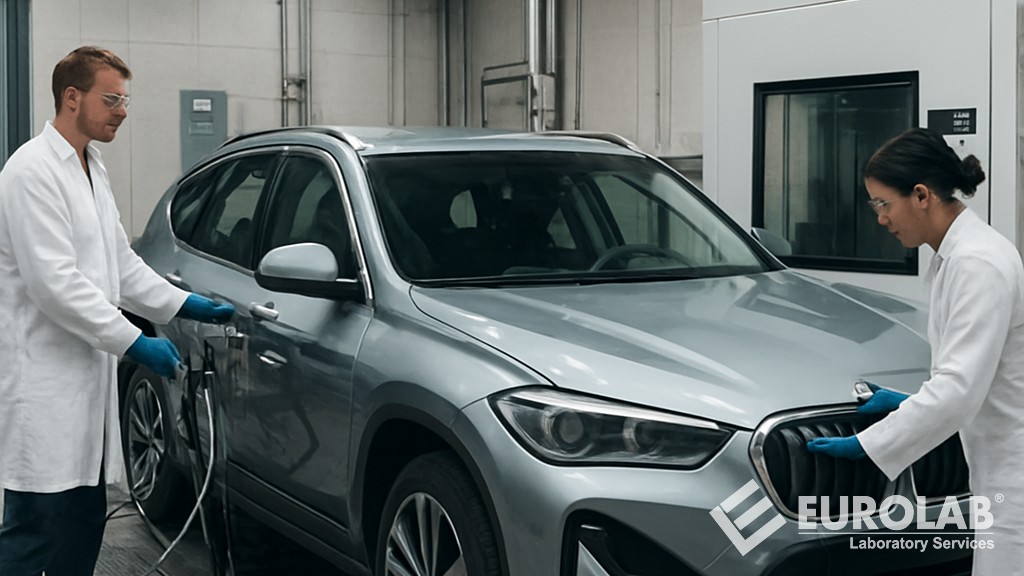
The primary purpose of this standard is to evaluate how materials degrade under accelerated aging conditions representing years of real-world use. This test helps verify that vehicle parts will not be affected by:
This standard ensures the long-term aesthetic quality and reliability of BMW interior and exterior parts. Typical materials tested using this method include:
In this method, samples are subjected to accelerated aging conditions that mimic long-term, real-world environmental stressors. These may include:
After aging, the samples are evaluated in the following aspects:
Aging resistance (weather resistance, resistance to environmental degradation, or long-term stability) refers to a material's ability to maintain its physical, mechanical, visual, and functional properties over time when exposed to harsh real-world conditions such as UV radiation, heat, humidity, oxygen/ozone, temperature cycles, and pollutants.
Vehicle interiors (instrument panels, seats, door panels, steering wheel) and exteriors (paint, upholstery, plastic bumpers, headlights) are constantly evaluated by owners and potential buyers. Poor aging resistance leads to fading, yellowing, cracking, loss of gloss, chalking, or discoloration, which are common complaints in hot and sunny climates (e.g., prolonged exposure to intense UV rays). A high-end vehicle that appears prematurely aged or worn significantly damages brand reputation and resale value.
Furthermore, compromised plastics or coatings become brittle, increasing the risk of cracking upon impact (e.g., the instrument panel shattering in an accident). Rubber seals, gaskets, and hoses lose their elasticity (leading to leaks, noise, or failure of critical systems). Similarly, hardened or cracked internal components can create sharp edges or compromise airbag deployment pathways.
The parts must meet the acceptance limits defined by BMW in order to pass the qualification process.
Suppliers producing parts for BMW must demonstrate compliance with the BMW PA-P 230 standard where applicable. Test laboratories accredited by BMW or working with first-tier suppliers perform these tests as part of pre-production verification. Quality engineers use the results of these tests to improve materials, coatings, and manufacturing processes.
The main reasons why this standard is considered necessary are as follows:
In short, the BMW PA-P 230 standard is a critical aging resistance test that ensures automotive materials remain durable, visually stable, and structurally reliable over extended periods of use. This standard is a proprietary original equipment manufacturer (OEM) testing procedure used by BMW to verify the aging resistance of automotive parts and surface coatings. It is part of a broader set of standards that define how components should perform under simulated long-term environmental stress. These tests help ensure that materials maintain their quality and durability throughout a vehicle's lifespan.
For many years, our organization, with its competent and experienced staff, has been understanding the needs of its clients, providing the advanced testing services they require, and assisting them in the establishment, implementation, and improvement of management systems. Within this framework, we also provide testing services in accordance with the BMW PA-P 230 standard.
To get an appointment, to get more detailed information or to request an evaluation, you can ask us to fill in our form and reach you.

