

The “GM 9511P Scale Corrosion Rebound of Paint Systems on Metal Substrates” standard, published by General Motors (GM), describes a test method to be followed when evaluating scale corrosion resistance on painted metal surfaces such as steel, zinc-plated steel, and aluminum. Scale corrosion is the degradation or blistering of the paint film due to loss of paint adhesion and corrosion of the substrate metal.
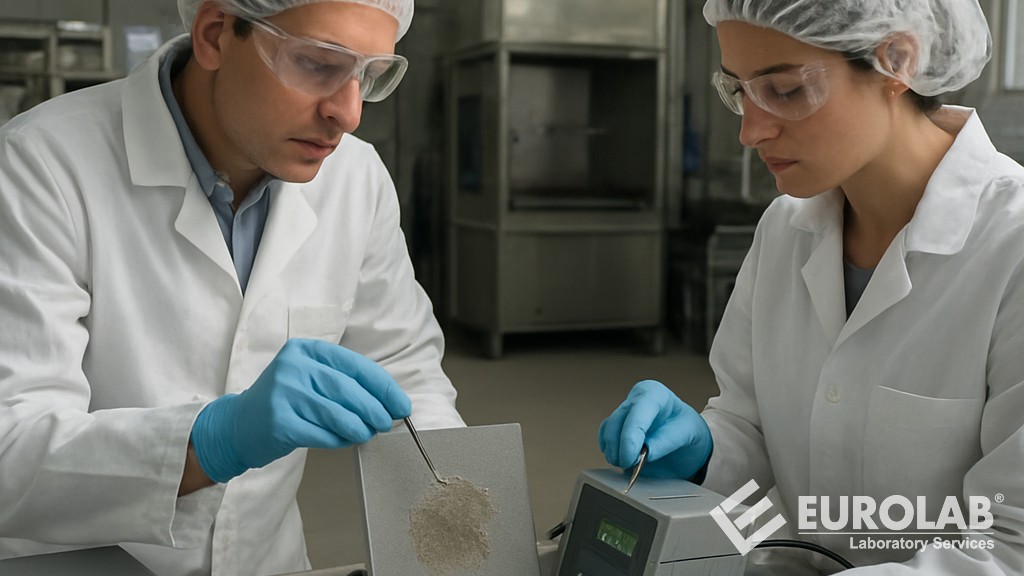
In the high-risk world of automotive manufacturing, durability is an undeniable issue. Vehicles must withstand harsh environmental conditions, from salty winter roads to humid coastal climates, without succumbing to rust and deterioration. This is where the GM 9511P standard becomes necessary: a specialized test protocol developed to evaluate the creep resistance of paint systems on metal surfaces to scale corrosion. This standard plays a crucial role in ensuring that automotive components, such as body panels and chassis parts, maintain their integrity over time. As electric vehicles and advanced materials become more widespread, standards like GM 9511P retain their importance for innovation and quality control.
GM 9511P is a laboratory-based accelerated corrosion testing method specifically designed for painted metal surfaces. It focuses on the phenomenon of scale corrosion creep, where corrosion spreads beneath the paint layer, causing blistering or cracking, often leading to aesthetic damage and structural weaknesses. By simulating exposure to real-world humidity, salt, and temperature fluctuations in a controlled environment, this method allows engineers to predict long-term performance without waiting years for field data.
Unlike broader corrosion tests, the GM 9511P standard targets the interface between the paint coating and the metal surface, measuring how effectively the paint system prevents corrosion from infiltrating beneath scratched or cut edges. This standard is particularly important for surfaces such as bare steel, zinc-coated steel (galvanized), and aluminum, which form the basis of modern vehicle manufacturing. It is part of GM’s comprehensive suite of material and process specifications and is often referenced alongside standards such as GM 9540P (accelerated corrosion) and GMW 15288 (cyclic corrosion). This standard is used worldwide by suppliers, testing laboratories, and original equipment manufacturers to validate coatings and surface treatments before production.
The GM 9511P test is methodical and reproducible, providing consistent results across laboratories. The basic steps of this method are as follows:
This accelerated approach compresses years of environmental exposure into weeks, providing rapid feedback for material iterations.
Corrosion is not only an unsightly appearance, but also a safety hazard and a trigger for costly recalls. The GM 9511P standard helps mitigate these risks in the following ways:
For electric vehicles (EVs) where battery housings require higher corrosion resistance, adaptations of GM 9511P are being investigated to also address the risks of galvanic corrosion between different metals.
In short, the GM 9511P standard extends vehicle life and consumer confidence by rigorously testing paint-metal interactions and providing protection against the insidious progression of corrosion.
For many years, our organization, with its competent and experienced staff, has been understanding the needs of its clients, providing the advanced testing services they require, and assisting in the establishment, implementation, and improvement of management systems. Within this framework, we also provide testing services to businesses in accordance with the "GM 9511P Surface corrosion rebound of paint systems on metal substrates" standard.
To get an appointment, to get more detailed information or to request an evaluation, you can ask us to fill in our form and reach you.

