

LAH.17A.881.B Water and Stain Resistant Fabrics for North American Region Seat Covers
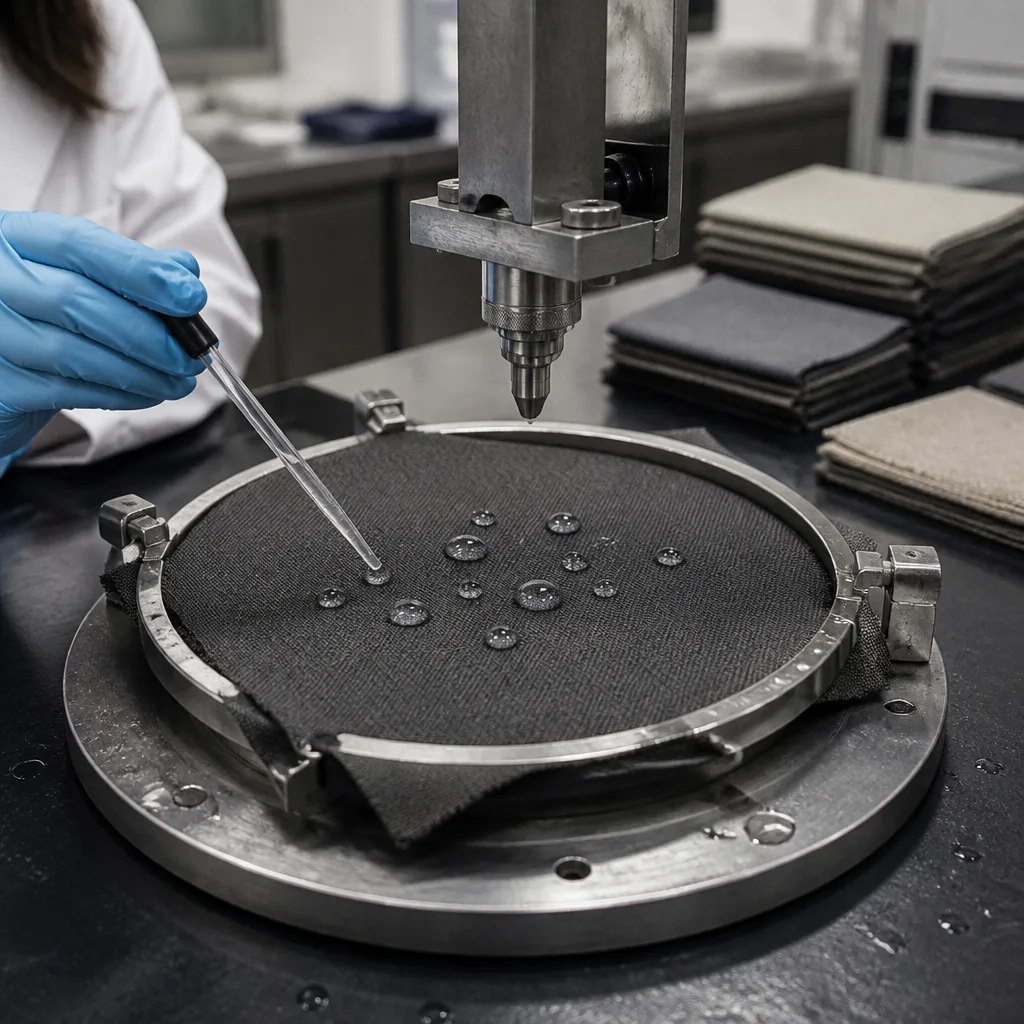
The standard “LAH.17A.881.B Water and Stain Repellent Fabrics for Seat Covers in the North American Region” published by Volkswagen Mexico describes the performance, requirements, and test conditions that water-repellent fabrics must meet. This standard applies only to seat covers (fabric version) in the NAR region. This specification is supplementary and only describes specific deviations from the existing VW 501 05 textile standard, which generally applies development conditions. The supplier must demonstrate that the specifications have been fully met.
This standard is an automotive materials specification that defines performance requirements for water and stain-resistant upholstery fabrics used in vehicle seat covers designed for the North American Region (NAR). It defines technical requirements for seat fabrics treated with durable water and stain-resistant coatings to improve cleanliness, durability, and customer satisfaction.
This specification is primarily designed for automotive original equipment manufacturers (OEMs) responsible for developing and verifying seat upholstery materials for textile suppliers, seat manufacturers, and production vehicles.
The primary objective of the LAH.17A.881.B standard is to ensure that automotive seat fabrics meet the following requirements:
Modern car interiors are exposed to coffee, soda, mud, cosmetics, sunscreen, food spills, and other contaminants. Water-repellent treated fabrics reduce liquid absorption, making cleaning easier while preserving the upholstery's original appearance. Hydrophobic coatings temporarily hold liquids to the fabric surface, allowing spills to be wiped away before they penetrate, while maintaining breathability.
This specification generally applies to the following:
This standard typically covers only the surface fabric or finished upholstery material and may refer to additional material specifications for foam backing, adhesives, flame lamination, or seam components.
The requirements in the LAH.17A.881.B standard are defined as follows:
Tests typically assess the following:
Automotive fabrics often use durable waterproof coatings to delay liquid absorption while maintaining fabric flexibility.
After cleaning, there should be little to no permanent discoloration.
Seat cover fabrics must withstand years of passenger entry, exit, sliding, and repeated contact without excessive wear and tear. Abrasion resistance is typically assessed using standardized automotive testing methods.
These tests help ensure that the colors remain stable throughout the vehicle's lifespan.
The coating should continue to repel liquids even after simulated vehicle aging.
Automotive seat fabrics must balance durability and comfort, and structural factors such as weave, thickness, and fabric weight significantly affect breathability and thermal performance.
Visual inspections are usually carried out before and after the durability test.
These requirements help maintain indoor air quality and regulatory compliance.
Suppliers are generally expected to demonstrate the following:
This supports consistent material performance across production batches.
Materials conforming to the LAH.17A.881.B standard can be used in the following areas:
The LAH.17A.881.B standard is often used in conjunction with other automotive material specifications that cover the following topics:
When these features are combined, they ensure that the seat upholstery meets the comprehensive durability, safety, comfort, and aesthetic expectations of automotive manufacturers.
In short, the LAH.17A.881.B standard is a specific automotive material specification focused on water and stain repellent treated seat upholstery for North American vehicles. This standard is designed to ensure that treated fabrics provide durable water and stain repellency without compromising comfort, appearance, or mechanical performance. It combines water and stain repellent technology with rigorous testing for durability, environmental resistance, and quality consistency.
For many years, our organization, with its competent and experienced staff, has been understanding the needs of its clients, providing the advanced testing services they require, and assisting in the establishment, implementation, and improvement of management systems. Within this framework, we also provide testing services compliant with the LAH.17A.881.B standard to businesses.
To get an appointment, to get more detailed information or to request an evaluation, you can ask us to fill in our form and reach you.

