

The standard, "GMW15487, Determination of Abrasion Resistance of Organic Coatings," published by General Motors (GM), describes a procedure for determining the abrasion resistance of paints, varnishes, and other organic coatings applied to metallic or hard non-metallic surfaces. This standard covers organic coatings applied to metallic or hard non-metallic surfaces.
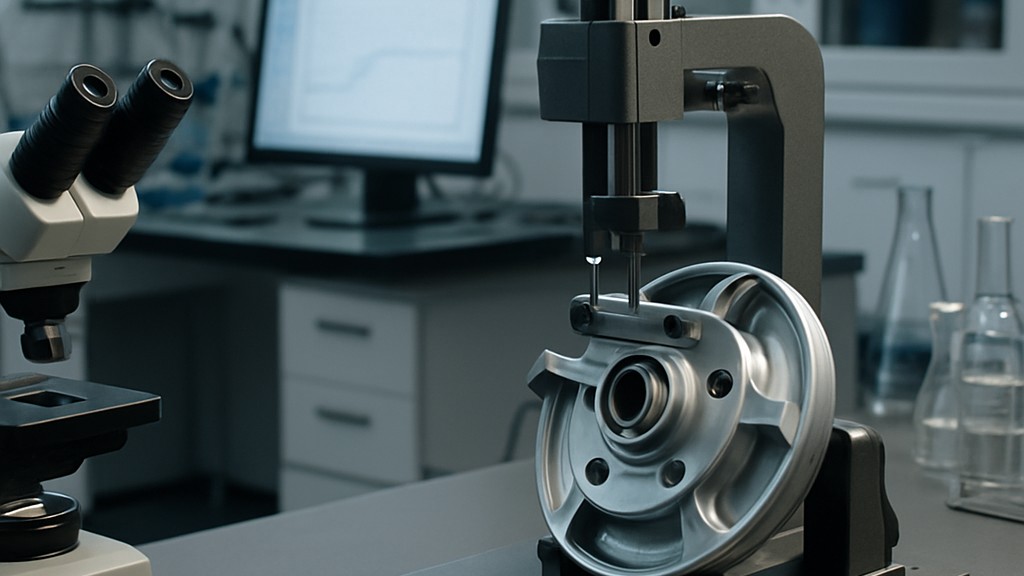
In the high-stakes world of automotive manufacturing, where vehicles must withstand harsh conditions from hot deserts to freezing tundras, material reliability is paramount. General Motors (GM) implements rigorous standards to ensure flawless component performance. These include GMW15487, a proprietary test method developed specifically to evaluate the performance and durability of automotive materials under environmental and mechanical stress scenarios. This standard focuses on simulating real-world degradation to predict long-term service life.
The GMW15487 standard is essential for suppliers, engineers, and quality assurance teams, helping to verify everything from interior trim to underbody coatings. By standardizing these assessments, it minimizes defects, reduces recalls, and supports the company's goal of producing vehicles with a lifespan of 200.000 miles or more.
The GMW15487 standard is a comprehensive test protocol within GM's collection of engineering standards. It addresses the sensitivity of non-metallic materials (e.g., plastics, rubbers, adhesives, and composites) to environmental factors such as temperature cycling, humidity, UV exposure, and chemical immersion. This standard is tailored to specific vehicle architectures, incorporating proprietary exposure profiles that mimic assembly-line conditions and end-user abuse.
The main features of this standard are:
The GMW15487 standard uses a multi-stage approach that combines accelerated aging with performance verification. Samples are preconditioned, exposed, and then examined for metrics such as mass loss, dimensional stability, and mechanical integrity. The protocol emphasizes statistical sampling and repeatability with calibrated equipment.
For example, a dashboard plastic exposed to UV light may exhibit a 25 percent shrinkage loss, requiring reformulation with UV stabilizers. The flexibility of this standard allows for customization, for example, electric vehicle-specific testing for battery case seals under high-voltage electrolytes.
The GMW15487 standard is the cornerstone of the supplier validation ecosystem, ensuring parts from global suppliers meet durability requirements. It addresses new challenges in the electric vehicle (EV) era, such as resistance to thermal runaway in battery packs or fluid compatibility with e-liquids.
Ultimately, the GMW15487 standard represents GM's relentless pursuit of engineering excellence, transforming potential pitfalls into proven performance. It safeguards the driving experience of millions by testing non-metallic materials against the extremes of nature and human error.
Our organization, which has been serving for many years and meticulously following global developments in science and technology, employs a skilled team and extensive infrastructure to conduct testing, measurement, and analysis in a wide range of areas for businesses across all sectors. In this context, we also provide testing services in accordance with the GMW15487 standard for "Determination of the abrasion resistance of organic coatings."
To get an appointment, to get more detailed information or to request an evaluation, you can ask us to fill in our form and reach you.

