

DBL 7401 Color, Brightness and Matte Finish Visual Comparison

DBL 7401 Color, Brightness and Matte Finish Visual Comparison

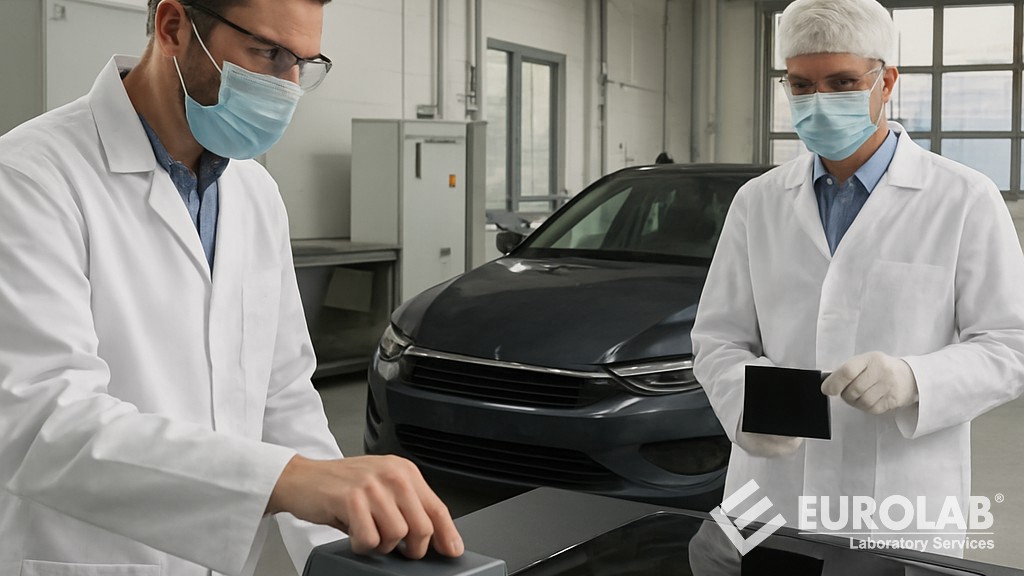
Developed by Daimler, the parent company of the Mercedes-Benz brand, the “DBL 7401 Visual Comparison of Colour, Gloss and Matte” standard is a technical specification frequently referenced in quality control and testing contexts, particularly in industries where visual appearance and surface properties are critical. This standard describes procedures for conducting specific tests, such as visual comparison of colour, gloss, and matte against standard templates or reference samples.
DBL 7401 Color, Brightness and Matte Finish Visual Comparison

This standard applies where consistent assessment of visual surface properties is required, for example in coatings, plastics, paints, or other finished products where appearance quality is important for acceptance or quality control.

The DBL 7401 standard primarily includes the following methods and criteria:

  • Comparing color and color consistency to a standard template.
  • Evaluation of surface gloss (gloss or polish level)
  • Assessment of haze or cloudiness on surfaces.

These types of tests are typically performed under controlled lighting and viewing conditions to provide an accurate subjective assessment of surface appearance.

The DBL 7401 standard serves various purposes in quality processes:

  • Uniform evaluation: Ensures color and appearance evaluations are consistent across batches, suppliers, and products.
  • Quality control: Helps inspectors determine whether a product meets appearance requirements or needs rework.
  • Supplier compliance: Used in supplier quality agreements to standardize how visual inspections are performed.

In manufacturing environments where customer perception and aesthetic quality are critical, such as for automotive parts, electronic housings, or coated surfaces, DBL 7401 and similar standards help provide repeatable, objective assessments of visual quality.

The DBL 7401 standard consists primarily of the following sections:

  • DBL 7401 § 1.2 defines the scope of application of the standard, i.e., where the standard is applicable, which materials or components are covered, and under what conditions the requirements apply. Relating to visual surface assessment (comparison of color, gloss/shine, and turbidity), it generally describes the following:
  • In the context of the application,
  • This applies to visible interior or exterior components.
  • This applies to plastic parts, coated parts, and decorative surfaces.
  • Used in supplier approval and mass production quality control.
  • Validity conditions:
  • Evaluation under specific lighting conditions
  • Use of reference master examples
  • Evaluation by trained auditors

This section prevents the standard from being misapplied and ensures the following:

  • Suppliers know whether their products comply with the DBL 7401 standard.
  • Quality engineers apply the correct visual criteria.
  • Conflicts with other DBL or ISO standards are avoided.
  • Section 2.2 of DBL 7401 covers normative references and lists external standards that should generally be applied in conjunction with DBL 7401. This section typically refers to internationally accepted measurement standards used to support visual inspection.

This section provides the following:

  • Measurements should be comparable at an international level.
  • Suppliers must use standardized equipment.
  • Disputes should be resolved objectively.
  • Visual assessment should be supported by instrumental data.

In automotive supply chains (especially for interior visible parts), this section is critical for supplier approval and mass production tracking.

  • DBL 7401 § 2.4 includes additional applicable documentation and original equipment manufacturer internal references. This section typically refers to:
  • Internal Daimler / Mercedes-Benz documents
  • Relevant DBL specifications
  • Company-specific test regulations or master sample rules

This section generally relates this standard to appearance and quality certifications specific to other original equipment manufacturers. It typically includes:

  • Relevant DBL appearance standards:
  • Surface defect limits
  • Grain/texture comparison
  • Color deviation tolerances
  • Main sample approval process
  • Master sample / approval documents: This section generally describes how the visual evaluation should be carried out:
  • Against officially approved master samples
  • Under the defined OEM light cabinets
  • According to Daimler publication documents (e.g., drawing notes)

This ensures that the appearance approval is not subjective, but consistent with the original equipment manufacturer's reference.

  • Lighting and inspection environment characteristics: This section may refer to internal documents specifying the following:
  • Type of light source (e.g., D65 simulation)
  • Inspection angle
  • Visibility
  • Inspection officer qualification requirements

This section provides the following in automotive supply chains:

  • Harmony between supplier and original equipment manufacturer.
  • Legal clarity in cases of quality disputes.
  • Consistent global outlook standards

This section prevents suppliers from disregarding Daimler's specific appearance standards when applying ISO or ASTM methods.

In conclusion, the DBL 7401 standard is clearly used in industries where visual surface quality assessment is required. This standard generally provides test definitions and procedures for color consistency, surface gloss, and roughness/cloudiness assessment. These tests help quality teams perform consistent visual assessments of products according to defined templates or criteria.

For many years, our organization, with its competent and experienced team, has been understanding the needs of its clients, providing the advanced testing services they require, and assisting them in the establishment, implementation, and improvement of management systems. Within this framework, we also provide testing services compliant with the DBL 7401 standard.

WhatsApp

