

The “Ford FLTM BN 108-04 Friction Resistance” standard, developed by Ford Motor Company (Ford), describes a procedure for determining the friction resistance of materials such as painted surfaces, vinyl, genuine leather, and trunk mats. All test values stated herein are based on material conditioned for at least 24 hours prior to testing in a controlled atmosphere at a temperature of 23 degrees plus/minus 2 degrees and 50 percent plus/minus 5 percent relative humidity, and tested under the same conditions unless otherwise specified.
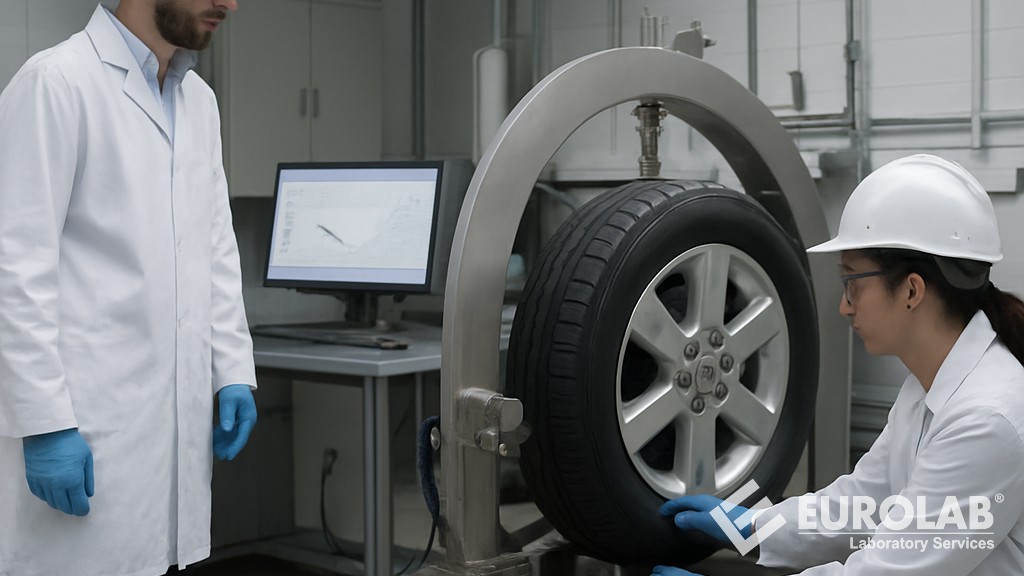
The specimen is prepared and assembled as described in the “Ford FLTM BN 108-02 Wear Resistance - Taber Abrasive” standard. A special friction head (A or B) is fitted in place of the wheels and weights normally used. The machine is started and the test specimen is driven under the specified number of cycles and loads. Once the required number of cycles is completed, the specimen is removed and evaluated according to the values specified in the standard.
The chemicals, materials, parts, and equipment mentioned in this standard must be used and processed appropriately. Both parties are responsible for proper use and operation at their facilities.
In the high-risk world of automotive manufacturing, where each component must withstand years of daily use, Ford Motor Company has long been a pioneer in establishing rigorous testing protocols. These include the Ford Laboratory Test Method (FLTM) series, a set of standardized procedures designed to evaluate the performance of materials used in vehicle interiors and exteriors. One such method, the Ford FLTM BN 108-04 standard, stands out for its focus on a critical but often overlooked aspect of material durability: friction resistance (i.e., wear resistance).
The Ford FLTM BN 108-04 standard provides a controlled environment to simulate the friction forces encountered by automotive upholstery materials such as fabric, leather, and plastic during real-world use. This testing is essential to ensure that interior surfaces, from door panels to seat upholstery, maintain their aesthetic and functional integrity throughout the vehicle's lifespan. As consumer expectations for quality and longevity continue to rise, understanding and complying with Ford FLTM BN 108-04 and similar standards is a necessity for both suppliers and manufacturers.
Ford's FL™ range primarily includes the following:
These tests form a comprehensive package guaranteeing overall material performance. The Ford FLTM BN 108-04 standard builds upon previous wear standards by isolating friction as a distinct failure mode. Unlike general wear, friction involves localized surface damage resulting from intermittent, high-pressure contact, such as a driver's shoe constantly rubbing against the center console or passengers' bags scraping against the seat edges.
As vehicles increasingly utilize synthetic materials for cost and weight savings, Ford standards have been aligned with global standards for textile abrasion, such as ASTM D3884. Today, with the rise of electric vehicles and sustainable fabrics, the Ford FLTM BN 108-04 standard remains relevant, frequently integrated into supplier qualification processes for environmentally friendly alternatives.
The Ford FLTM BN 108-04 standard essentially aims to measure a material's ability to withstand visible damage from frictional forces. This test is particularly vital for high-contact areas in vehicle cabins, where scratch marks can degrade perceived quality and lead to costly rework or warranty claims.
The scope of this standard is limited to interior trim components, including:
This standard does not cover structural elements or exterior parts exposed to environmental weather conditions. The primary objective of this standard is to establish pass/fail criteria based on visual inspection after simulated usage cycles, ensuring materials can withstand at least 10.000 to 50.000 friction events without unacceptable degradation. This threshold is calibrated to mimic 10 years of average vehicle usage, taking into account variables such as passenger demographics and regional driving habits.
In practice, this test helps Ford mitigate the risks associated with material variability. A supplier's batch of upholstery fabric might be excellent in terms of tensile strength, but fail under friction, leading to premature wear. By mandating compliance with this standard, Ford ensures consistency across its global supply chain.
The Ford FLTM BN 108-04 standard, as a benchmark, influences supplier certifications worldwide with accredited tests provided by advanced laboratories. In the age of just-in-time production, passing this test can significantly shorten approval times.
Economically, this standard encourages innovation. Materials with superior abrasion resistance, such as advanced polyurethanes or bio-based composites, reduce Ford's long-term costs. Environmentally, it promotes durable designs that reduce waste; a scratch-resistant seat lasts longer, in line with circular economy principles.
However, this standard also has its challenges. With the transition to autonomous vehicles where passengers interact more with the interior, friction thresholds may need to be recalibrated.
In short, the Ford FLTM BN 108-04 standard rigorously tests wear resistance, protecting not only material performance but also the user experience from the first test drive to 100.000 kilometers.
For many years, our organization, with its competent and experienced staff, has been understanding the needs of its customers, providing the advanced testing services they require, and assisting in the establishment, implementation, and improvement of management systems. Within this framework, we also provide testing services to businesses in accordance with the "Ford FLTM BN 108-04 Friction Resistance" standard.
To get an appointment, to get more detailed information or to request an evaluation, you can ask us to fill in our form and reach you.

