

The “GM 9126P Automotive Textile and Plastic Cleanability Test” standard, published by General Motors (GM), is an engineering testing standard developed to evaluate the cleanability of automotive interior materials (including textiles, vinyl, coated fabrics, synthetic leather, and plastic upholstery components). This standard measures how effectively common stains can be removed from interior surfaces without causing permanent discoloration, gloss change, or surface damage.
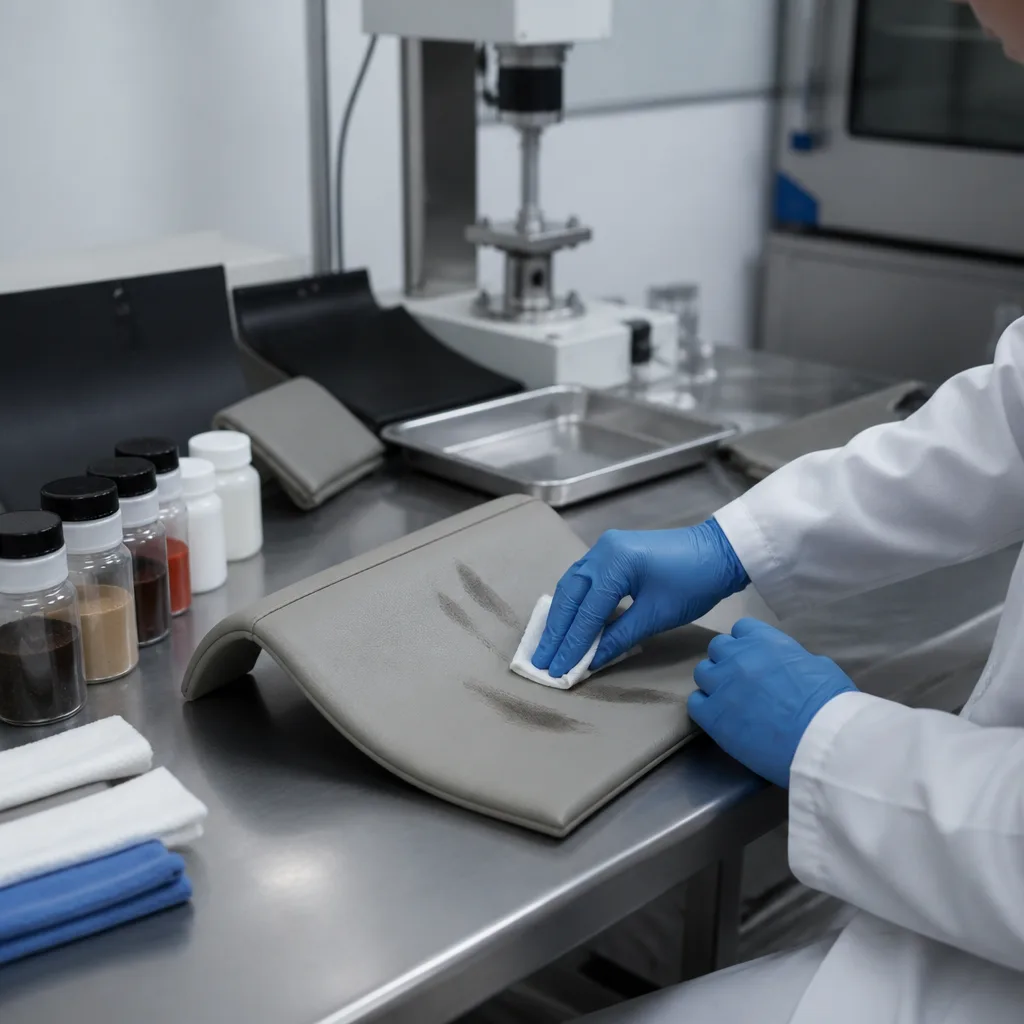
GM has replaced many older standards with newer GMW specifications, but the GM 9126P standard remains a well-known historical reference and is still accepted by many automotive testing laboratories. This standard defines two different methods: Method A and Method B.
Vehicle interiors are exposed to the following substances on a daily basis:
The GM 9126P standard specifies whether these contaminants can be removed using approved cleaning methods while preserving the original appearance of the material. The aim is to ensure that interior components remain attractive throughout the vehicle's lifespan.
This standard applies to a number of interior materials, including:
This standard can also be used in the following situations:
In principle, the basic procedure consists of several steps:
Depending on the material and GM program requirements, typical contaminants assessed may include:
These pollutants simulate the daily use of a vehicle's interior.
After the cleaning process, auditors evaluate the following:
Materials should generally show little or no permanent staining to meet GM requirements.
The GM 9126P standard includes two cleaning procedures:
Interior materials should remain attractive for many years, despite repeated exposure to contaminants. Poor cleanability can lead to:
The GM 9126P standard helps manufacturers specify materials that will maintain the appearance of the vehicle throughout its expected lifespan.
Tests based on this standard are typically performed by:
Although not officially active, accredited laboratories still list the GM 9126P standard among the supported cleanability testing methods for customer projects.
Tests performed according to the GM 9126P standard offer several benefits:
General Motors is gradually incorporating many legacy standards into its GMW engineering standards system. While GM 9126P is considered an older specification, its primary purpose—evaluating the cleanability of automotive interior materials—continues to be addressed in newer GM materials and interior performance standards. Various businesses still refer to the GM 9126P standard when characterizing legacy vehicle programs or comparing past material performance.
In summary, the GM 9126P standard is an older General Motors cleanability testing standard that evaluates how effectively stains can be removed from automotive textiles and plastic interior components. By simulating common real-world contaminants and assessing the effectiveness of approved cleaning methods, this standard helps ensure vehicle interiors remain visually appealing and durable for years of use. While largely superseded by newer GMW specifications, the GM 9126P standard remains a significant reference for legacy programs, supplier verification, and laboratory testing of automotive interior materials.
For many years, our organization, with its competent and experienced staff, has been understanding the needs of its clients, providing the advanced testing services they require, and assisting them in the establishment, implementation, and improvement of management systems. Within this framework, we also provide testing services compliant with the GM 9126P standard.
To get an appointment, to get more detailed information or to request an evaluation, you can ask us to fill in our form and reach you.

