

The “Fiat LP-7N035 Two-Stage Molding Method for Material Bonding - Adhesion between Hard and Soft Materials” standard, developed by Fiat Chrysler Automobiles (FCA) (now Stellantis), an Italian-American automotive company, describes the requirements and test methods for parts produced by top molding or two-component injection molding where two different thermoplastics are permanently bonded together in a single process. This standard is commonly used in the following areas:
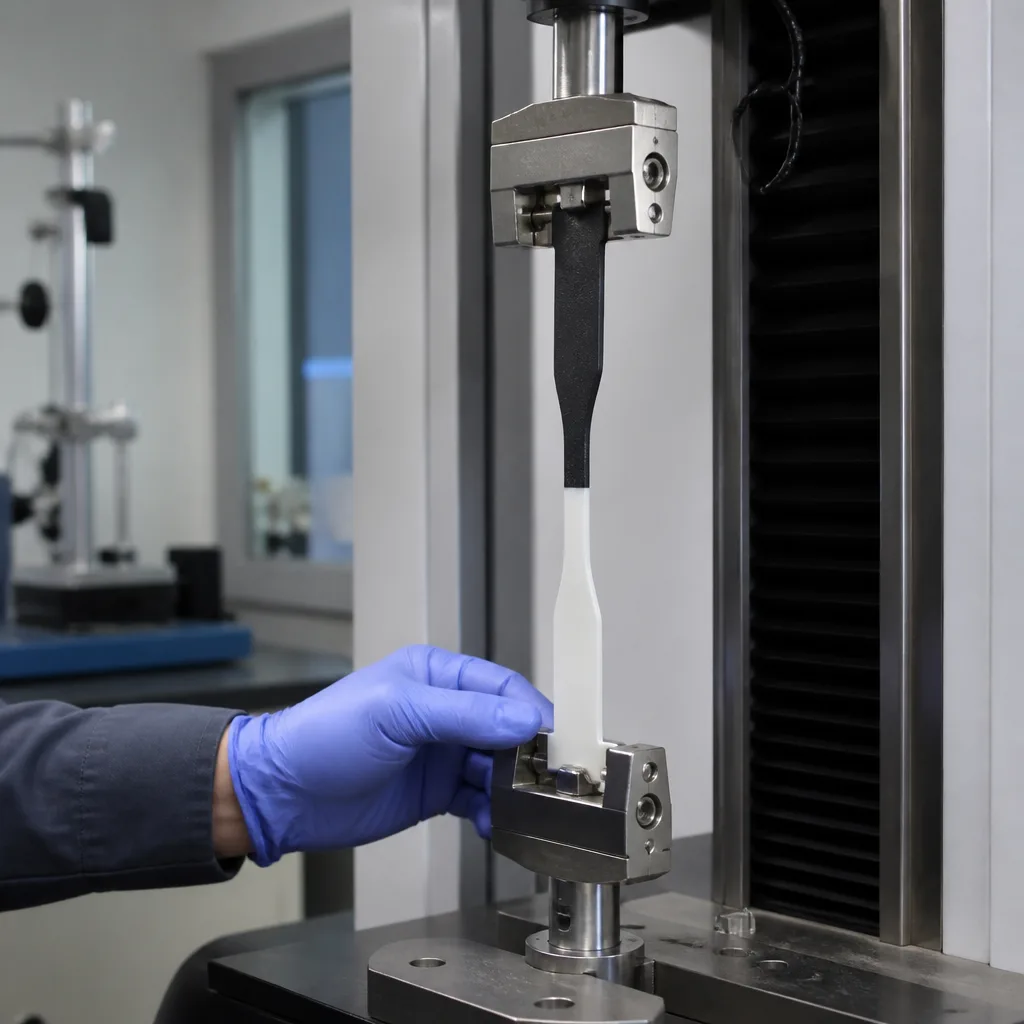
The main aspects covered by this standard are:
Fiat uses a range of LP-7xxxx specifications for various plastic material and process requirements. The Fiat LP-7N035 standard, in particular, focuses on multi-material injection molding technology, which is becoming increasingly important for modern vehicle interiors and lightweight components. This type of specification is primarily used by suppliers to verify materials and manufacturing processes during part approval.
In short, the Fiat LP-7N035 standard is an automotive material testing specification used to evaluate the adhesion between rigid and flexible materials in multi-material molded components within an engineering system. This standard specifically focuses on two-stage molding assemblies where rigid thermoplastics are chemically or mechanically bonded to flexible elastomeric materials.
This standard generally applies to interior and exterior automotive parts that combine the following materials:
The primary purpose of the Fiat LP-7N035 standard is to verify that bonded materials maintain adequate adhesion throughout the vehicle's service life. In modern automotive manufacturing, many components are produced using die-casting technologies for the following improvements:
Poor adhesion between hard and soft layers can lead to the following:
Therefore, the Fiat LP-7N035 standard specifies controlled procedures for evaluating adhesion integrity under mechanical stress and exposure to environmental influences.
This standard generally applies to the following:
The described test method evaluates whether the elastomer layer remains securely bonded to the rigid substrate after manufacturing and aging. This method generally follows these steps:
The assessment includes the following:
A successful outcome normally requires the following:
The Fiat LP-7N035 standard is generally used for the following combinations:
These combinations are frequently found in modern automotive interiors where tactile feel and durability are important.
Bonded materials used in the automotive industry must withstand harsh operating conditions. Fiat LP-7N035 standard tests therefore include exposure to the following:
These conditions simulate real vehicle environments and ensure long-term reliability.
Without a standardized adhesion test, components may appear acceptable when new but may fail during vehicle use. In this respect, the Fiat LP-7N035 standard is considered important for the following reasons:
This standard confirms that the bond is strong enough to withstand these failures.
This standard helps ensure that material adhesion remains effective for the lifetime of the vehicle, rather than degrading after exposure to environmental factors.
A connection failure can affect user operation, component reliability, and perceived vehicle quality. This standard helps ensure these components continue to function as designed.
Tests conducted according to this standard help maintain a high-quality appearance throughout the vehicle's lifespan.
Consequently, the Fiat LP-7N035 standard is necessary because it verifies the strength and durability of bonds between hard and soft materials used in automotive components.
For many years, our organization, with its competent and experienced staff, has been understanding the needs of its customers, providing the advanced testing services they require, and assisting them in the establishment, implementation, and improvement of management systems. Within this framework, we also provide testing services in accordance with the Fiat LP-7N035 standard.
To get an appointment, to get more detailed information or to request an evaluation, you can ask us to fill in our form and reach you.

