

The “BMW AA 0568 Dimensional Stability” standard, developed by BMW, a multinational vehicle manufacturer, describes a test method designed to evaluate the dimensional stability of materials and components used in automotive production.
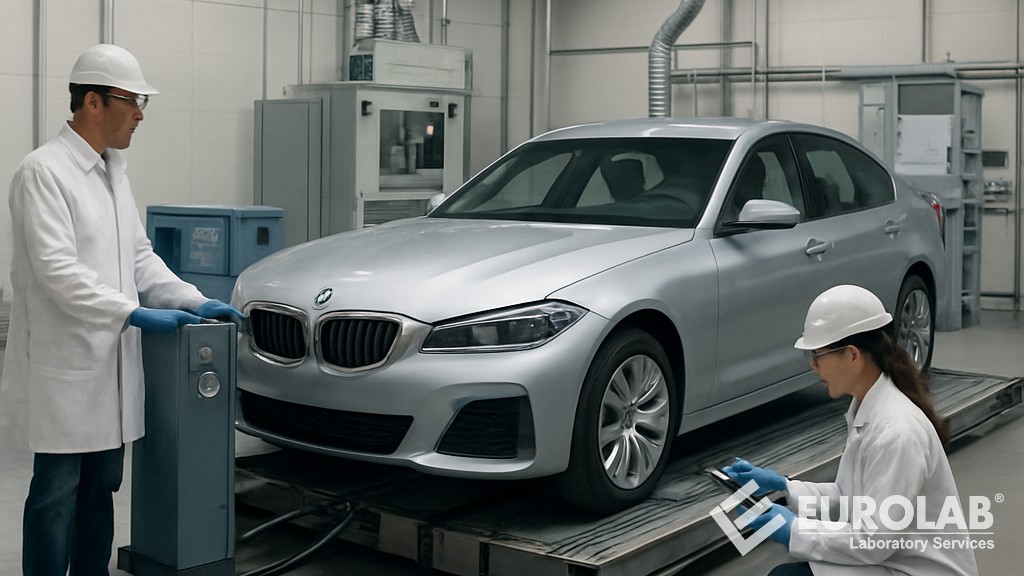
Dimensional stability (steadiness) refers to the ability of a material or component to maintain its original shape, size, and form under various environmental stresses without excessive deformation, shrinkage, expansion, warping, or other changes. In the automotive industry, this is critical for the following parts:
Changes in dimensions can lead to fit issues, aesthetic flaws (gaps, bending), functional problems (e.g., rattling), or concerns about long-term durability in a vehicle's harsh environment.
Tests generally involve controlled exposure:
The test measures changes in length, width, thickness, or overall geometry before and after exposure, and is usually expressed as a percentage change or absolute deviation. Acceptance criteria are strict to ensure parts remain reliable throughout the vehicle's lifespan (typically 10-15 years or more in varying climates).
This standard is included in BMW's material qualification test lists alongside standards such as the following:
These standards are typically applied in supplier part approval processes, requalification testing, or quality audits.
The BMW AA 0568 standard helps prevent common problems with interior materials that can affect perceived quality, a key differentiating factor for luxury brands. This standard reflects BMW's commitment to long-term material reliability in extreme conditions, from hot summers to cold winters, ensuring interiors age gracefully.
The BMW AA 0568 standard is important because it directly supports BMW’s core brand values of superior quality, long-term reliability, and perceived premium value in vehicle interiors. This is particularly crucial for a luxury/performance manufacturer where even minor material defects can damage customer satisfaction and brand reputation. This standard is considered important for the following reasons:
Without perfect dimensional stability, materials can cause the following:
These problems only become noticeable after a few years. Transforming a luxury cabin into one that feels cheap or low-quality within a few years is a major complaint in premium vehicles.
Advanced laboratories list this standard alongside related specifications such as BMW AA 0565 (typically associated with leather/textile hydrolysis or mold), indicating that it is part of a holistic interior durability package.
In conclusion, the BMW AA 0568 standard is not merely a technical certification, but a guarantee that the superior emotional and tactile experience promised by BMW will remain consistent over miles and years, regardless of climate or usage conditions. This is particularly important in various markets where vehicles are exposed to sharp seasonal changes and intense sunlight.
For many years, our organization, with its competent and experienced team, has been understanding the needs of its clients, providing the advanced testing services they require, and assisting them in the establishment, implementation, and improvement of management systems. Within this framework, we also provide testing services in accordance with the BMW AA 0568 standard.
To get an appointment, to get more detailed information or to request an evaluation, you can ask us to fill in our form and reach you.

