

The “MS125-62 Free-cutting steel” standard, developed by Hyundai Motor Company and Kia Corporation, is a material specification that defines the requirements for free-cutting (free-machining) steel used in the production of precision machined components. This standard specifies material quality, chemical composition, mechanical properties, manufacturing processes, and inspection requirements to ensure that steel products provide consistent machining performance and finished part quality.
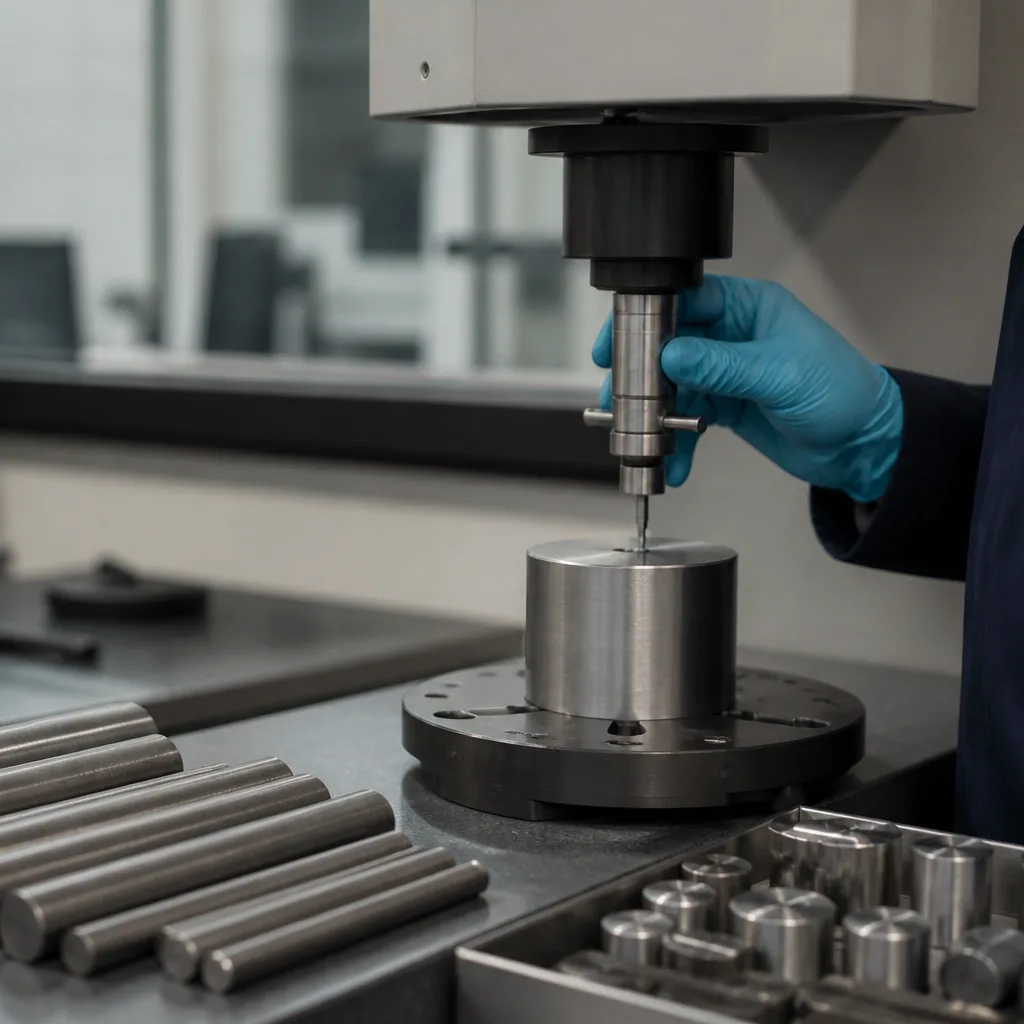
Free-cutting steels are specifically designed to improve machinability through the addition of controlled amounts of alloying elements such as sulfur, phosphorus, lead (in older grades), selenium, or tellurium. These additions promote chip breakage, reduce cutting forces, and extend tool life during machining operations.
The primary purpose of the MS125-62 standard is to standardize quality requirements for free-cutting steel used in high-volume production. This standard helps manufacturers in the following areas:
This specification is particularly valuable for components manufactured on automated lathes, computer-aided numerical control (CNC) machining centers, and screw machines.
The MS125-62 standard generally applies to carbon and low-alloy free-cutting steels supplied in the following forms:
These materials are designed to be machined into finished mechanical components, rather than for structural applications.
Free-cut steels differ from conventional carbon steels because they are optimized for machining rather than for maximum strength or weldability. Typical properties include:
These advantages are achieved not only through special heat treatment, but also through carefully controlled chemical composition.
Although the exact composition depends on the material grade specified in the MS125-62 standard, free-shear steels generally include the following:
While some older free-cutting grades used lead, many modern specifications avoid lead due to environmental regulations.
Depending on the specific steel grade and heat treatment conditions, free-cutting steels generally provide the following mechanical properties:
However, because sulfur inclusions, which improve machinability, also reduce toughness, they generally have the following properties compared to standard carbon steels:
The MS125-62 standard generally covers the following requirements:
Materials supplied under the MS125-62 standard are generally subject to quality verification, including the following:
Free-cutting steels conforming to the MS125-62 standard are widely used in the production of precision-machined components such as:
These applications, especially in large-scale production, take advantage of the material's excellent processability.
Using steel that conforms to the MS125-62 standard offers several advantages in production:
Despite its processing advantages, free-cutting steel has some limitations:
For these reasons, free-cutting steels are primarily preferred where machining efficiency is more important than structural performance.
The MS125-62 standard is comparable in purpose to various international specifications covering free-cutting steels. These include:
Although these standards differ in specific requirements, they all define the chemical composition, mechanical properties, delivery conditions, and quality requirements for steels optimized for processing.
In conclusion, the MS125-62 standard plays a significant role in manufacturing industries by guaranteeing predictable machining behavior and consistent product quality for free-cutting steels. By standardizing material composition and quality requirements, it enables manufacturers to reduce machining costs, increase productivity, extend cutting tool life, and achieve reliable dimensional accuracy in high-volume production. This standard is particularly valuable in automotive, industrial machinery, electrical equipment, and precision engineering fields where efficient machining and repeatable performance are essential.
The main sections of this standard are as follows:
For many years, our organization, with its competent and experienced staff, has been understanding the needs of its clients, providing the advanced testing services they require, and assisting them in the establishment, implementation, and improvement of management systems. Within this framework, we also provide testing services compliant with the MS125-62 standard.
To get an appointment, to get more detailed information or to request an evaluation, you can ask us to fill in our form and reach you.

