

The “SAE J 903 Passenger Car Windshield Wiper Systems” standard, developed by the Society of Automotive Engineers (SAE), describes the following for passenger cars, light trucks, and multipurpose vehicles with a gross vehicle weight of 4500 kg or less:
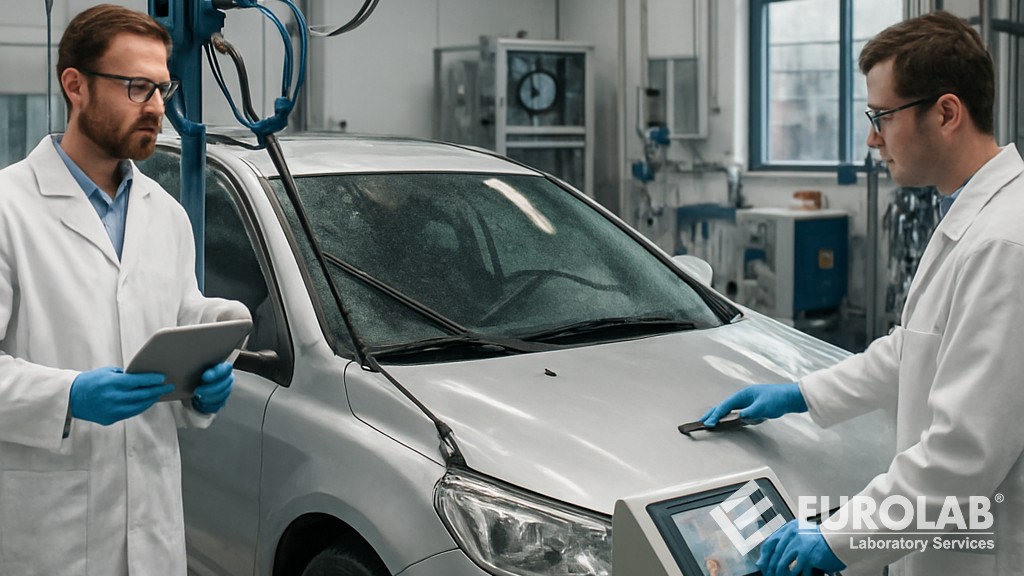
The test procedures and minimum performance standards described in this standard are periodically reviewed and revised as additional data regarding windshield wiper system performance becomes available.
The SAE J903 standard is a widely accepted automotive engineering guideline. It focuses on the performance, testing, and design requirements for windshield wiper systems used in passenger vehicles. This standard guarantees that windshield wiper systems provide safe visibility in a variety of environmental conditions.
The SAE J903 standard applies to the following types of vehicles:
This standard defines four key areas:
The SAE J903 standard defines the minimum operational performance for the following:
These criteria ensure that drivers maintain an adequate field of vision for safety.
This standard specifies reproducible laboratory test methods, including the following:
All tests are designed to be performed using commercially available testing equipment to ensure consistency among manufacturers.
The SAE J903 standard provides uniform terminology for the following:
This improves communication between the following:
In terms of design and installation guidelines, this standard also provides engineering recommendations for the following:
These manuals help ensure functional reliability and ease of service.
In short, the SAE J903 standard defines minimum performance standards, uniform test procedures, terminology, and design guidelines for windshield wiper systems in passenger cars, light trucks, and multi-purpose vehicles with a gross vehicle weight of 4500 kg or less.
The primary aim of this standard is to improve driver visibility and vehicle safety by ensuring reliable and effective cleaning of the windshield by windshield wiper systems under various driving conditions. It covers:
Minimum performance requirements for the entire wiper system.
This standard focuses on vehicles with typical passenger car configurations, but also applies to light trucks and multi-purpose vehicles within the specified weight limit. It does not cover heavier commercial vehicles, which are addressed in related standards such as SAE J198.
The SAE J903 standard defines rigorous tests to simulate real-world conditions:
These tests help ensure that the wipers perform without streaking, flickering, or premature failure in heavy rain, snow, frost, and harsh sunlight.
The SAE J903 standard is considered important in the automotive industry for the following reasons:
The SAE J903 standard has evolved significantly over time. Continuous updates ensure compatibility with:
In conclusion, the SAE J903 standard plays a crucial role in ensuring that windshield wiper systems across the automotive industry meet consistent performance, durability, and safety standards. By combining standardized testing, clear terminology, and design guidance, it supports both engineering efficiency and road safety.
For many years, our organization, with its competent and experienced team, has been understanding the needs of its clients, providing the advanced testing services they require, and assisting them in the establishment, implementation, and improvement of management systems. Within this framework, we also provide testing services compliant with the SAE J903 standard.
To get an appointment, to get more detailed information or to request an evaluation, you can ask us to fill in our form and reach you.

