ISO 16750-4 Road Vehicles - Environmental Conditions and Testing of Electrical and Electronic Equipment - Part 4: Climatic Loads
The standard "ISO 16750-4 Road vehicles - Environmental conditions and testing of electrical and electronic equipment - Part 4: Climatic loads," developed by the International Organization for Standardization (ISO), specifies the requirements for vehicle electrical and electronic systems and components, including electric drive systems and components with maximum operating voltages according to voltage class B. This standard describes potential environmental stresses and includes recommended tests and requirements for specific mounting locations on or within the vehicle. This standard describes climatic loads. However, this standard does not apply to the environmental requirements or testing of systems and components for motorcycles and mopeds.
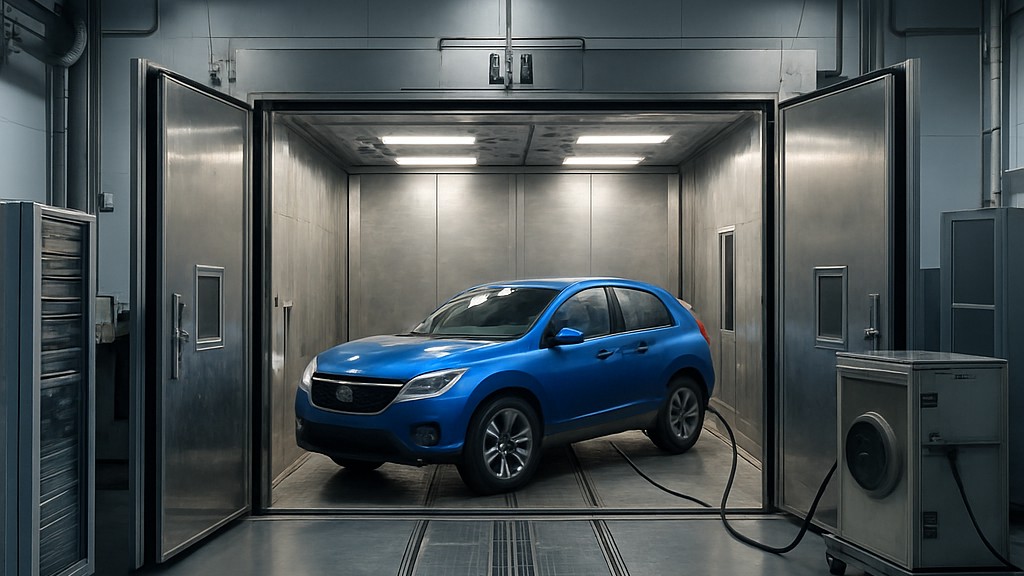
The ISO 16750 series of standards is an internationally recognized set of standards developed to ensure the reliability and performance of electrical and electronic systems in road vehicles. This standard specifically focuses on the climatic stresses that automotive electronics may encounter throughout their lifecycle. ISO 16750-4 is critical for manufacturers to ensure the reliable operation of components, including those in electric drive systems, in a variety of environmental conditions.
The ISO 16750-4 standard applies to electrical and electronic systems and components in road vehicles, including those with maximum operating voltages classified as Class B voltage (generally up to 1000 volts direct current or 707 volts alternating current). This standard identifies potential environmental stresses related to climatic conditions and specifies tests and requirements tailored to the specific mounting locations of components in or on the vehicle. This standard does not apply to motorcycles or mopeds, and components in production or development prior to the publication of the standard may be excluded from the scope of the updated requirements.
This standard addresses climatic loads such as extreme temperatures, humidity, thermal shock and other environmental factors that may affect the performance or durability of electronic systems.
This standard provides a comprehensive set of tests to simulate the real-world climatic conditions that automotive electronics may encounter. As detailed in the standard, the main test categories and objectives are as follows:
- Tests at constant temperature:
- Low temperature tests:
- Storage test: Simulates exposure to low temperatures without electrical operation (e.g., during transport). Potential failure modes include failures due to inadequate freeze resistance, such as freezing of the coolant.
- Operation test: Evaluates performance at low temperatures during electrical operation and detects problems such as capacitor failure due to freezing of electrolytes.
- High temperature tests:
- Storage test: Evaluates heat resistance under non-operating conditions, such as warping of plastic enclosures.
- Operational testing: Tests for electrical faults caused by high temperatures, such as thermal degradation of components.
- Temperature step test: This test checks for mechanical or electrical faults in small temperature ranges, ensuring that components can switch between operating modes smoothly.
- Temperature cycling tests
- Temperature cycling with specified rate of change: Detects electrical faults by simulating changing temperatures during operation, such as changes in ambient conditions.
- Rapid temperature change: An accelerated test that simulates multiple slow temperature cycles with higher rates of temperature change, detecting mechanical or electrical failures due to material cracking or seal failures.
- Cold water shock tests:
- Splash water test: Simulates thermal shock from cold water splashing onto hot components, such as when driving on wet roads in winter. Failure modes include mechanical cracking or seal failure.
- Water immersion test: Tests the resistance of components to water ingress in the event of immersion, applicable to parts in areas at risk of splashing.
- Salt spray tests: These tests evaluate resistance to de-icing agents and salt water common in winter road conditions:
- Corrosion testing: Evaluates the resistance of the material and coating to corrosion.
- Leak and function test: Checks for electrical faults caused by salt water ingress.
- Salt spray active testing: Used to simulate corrosion during operation, particularly in open-body rotating machines such as alternators.
- Salt spray combined cycle testing and cyclic corrosion testing: Simulates real-world corrosion under varying temperature and humidity conditions.
- Damp heat and cyclic tests:
- Damp heat cyclic testing: Simulates cyclic high humidity and tests for electrical faults caused by stray currents or corrosion.
- Compound temperature/humidity cyclic testing: Combines temperature and humidity variations to mimic real-world conditions.
- Dew test: Evaluates performance under condensation caused by sudden changes in temperature and humidity, such as when the vehicle is moved from a cold environment to a warm garage.
- Damp heat, steady-state testing: Tests components under continuous high humidity, detecting failures caused by leakage currents or corrosion.
- Condensation test: Simulates condensation scenarios, such as humid air entering a refrigerated vehicle cabin, to detect electrical faults caused by moisture.
- Corrosion testing with mixed gas flow: Evaluates resistance to corrosive gases in contaminated environments, particularly for plug contacts and open switching contacts where failure modes such as conductive corrosion are common.
- Solar radiation testing: Tests the durability of surface treatments, coatings and labels applicable to components installed in sun-exposed areas to long-term exposure to solar radiation.
- Dust testing: Simulates dust ingress caused by temperature changes inside component enclosures and checks for electrical or mechanical failures caused by dust on contacts.
- Atmospheric pressure testing: Tests high-voltage components (Class B voltage) against electrical discharge under low atmospheric pressure to ensure durability and detect defects that could shorten component life.
With the rise of electric vehicles, autonomous driving systems, and advanced electronics, the reliability of automotive electrical and electronic systems has become paramount. The ISO 16750-4 standard ensures that components can withstand harsh climatic conditions, from extreme cold to high heat, humidity, and corrosive environments. This standard is critical for:
- Ensuring safety: Reliable electronics prevent malfunctions that could jeopardize vehicle safety.
- Increased durability: Components tested to this standard are more likely to last the lifetime of the vehicle.
- Meeting regulatory requirements: Compliance with ISO standards is frequently required by automotive manufacturers and regulators.
- Supporting innovation: As vehicles incorporate more complex electronics, such as electric drive systems, extensive testing ensures performance under various conditions.
Automotive manufacturers often base their tests on this standard with their own specific requirements (e.g. VW 80000, Mercedes MBN 10306) and adapt the tests to their specific needs.
Consequently, the ISO 16750-4 standard plays a vital role in ensuring the reliability of automotive electronics under various climatic stresses. By specifying rigorous testing methods for temperature, humidity, corrosion, and other environmental factors, it helps manufacturers produce durable and safe components. As the automotive industry evolves with electric and autonomous vehicles, compliance with this standard remains essential for innovation and safety.
Our organization, which has been operating for many years and meticulously follows global developments in science and technology, employs a team of experienced professionals and a broad infrastructure to conduct testing, measurement, and analysis in a wide range of areas for businesses across all sectors. In this context, we also provide testing services in accordance with the ISO 16750-4 Road vehicles - Environmental conditions and testing of electrical and electronic equipment - Part 4: Climatic loads standard.



