

Developed by Fiat Chrysler Automobiles (FCA) (now Stellantis), an Italian-American automotive company, the “Fiat 7-M8607 Preformed Textile Material – Decay Assessment” standard is a material testing standard used in the automotive industry to evaluate the decay resistance or microbiological degradation resistance of interior materials. This standard applies particularly to textile and nonwoven components used in vehicle interiors where moisture, heat, and organic contamination can promote fungal or bacterial growth.
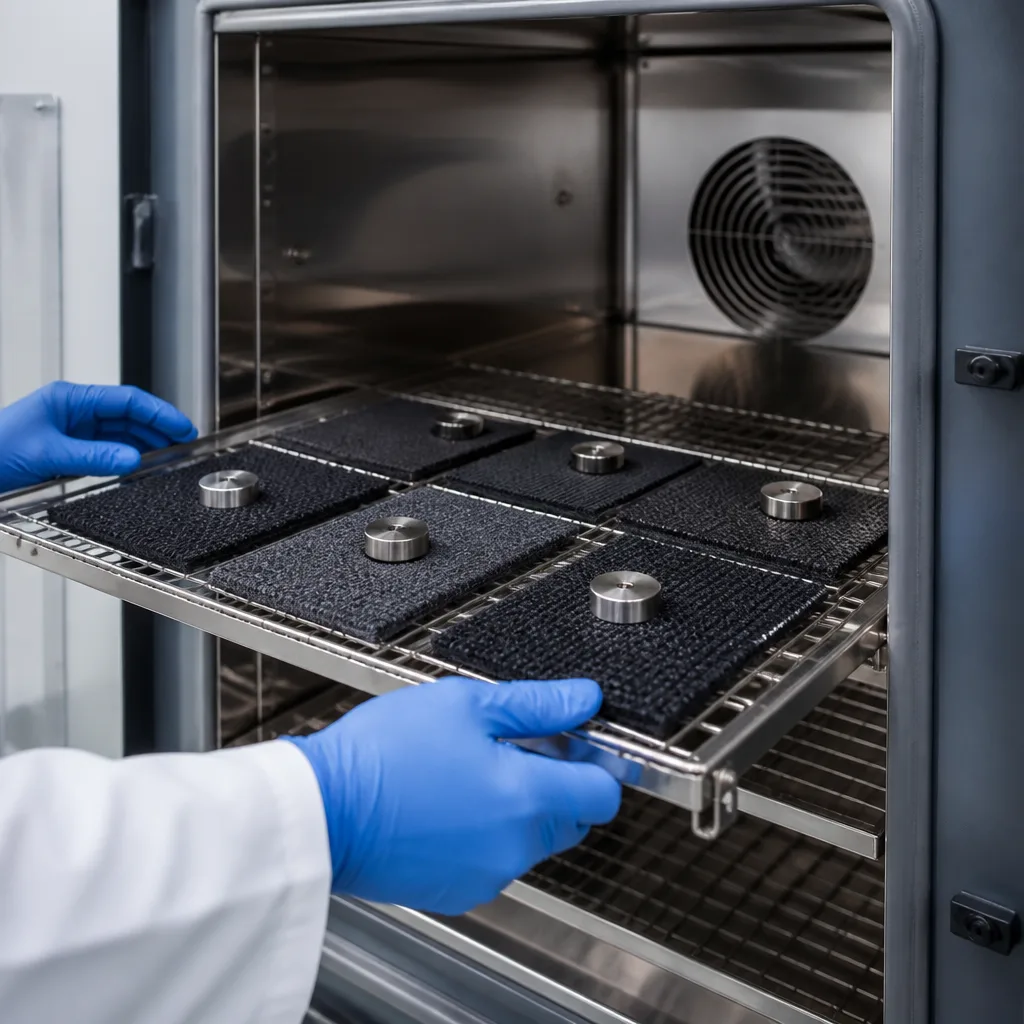
This standard is referenced as the required method for decay assessment in Fiat material specifications for automotive interior upholstery and fabrics.
The primary purpose of the Fiat 7-M8607 standard is to determine whether a material is resistant to the following conditions:
Automotive interiors are generally exposed to a variety of environmental conditions:
Biologically unstable materials can degrade over time and cause the following:
The Fiat 7-M8607 standard was developed to ensure that interior materials maintain their appearance and performance throughout the vehicle's lifespan. This test method is typically used on the following materials:
These materials are particularly sensitive because they can absorb moisture and provide nutrients for microbial growth.
This method essentially follows these steps:
Materials that meet the Fiat 7-M8607 standard should generally demonstrate the following:
Acceptance criteria vary depending on the component application and Fiat material specification.
The Fiat 7-M8607 standard is often used in conjunction with other Fiat material performance standards, including:
A Fiat interior material specification may require all of these tests to be completed simultaneously.
Although the Fiat 7-M8607 standard is an automotive specification, similar corrosion resistance tests are also widely used in the following areas:
One strength of the described test method is that it is difficult to meet the requirements in products containing the following materials:
Manufacturers typically use the following to increase resistance:
In short, the Fiat 7-M8607 standard is necessary because vehicle interior materials are constantly exposed to conditions that can promote microbial growth, decay, and biological degradation. Without a standardized resistance test, interior components can prematurely deteriorate, leading to hygiene issues, unpleasant odors, safety concerns, and warranty failures. This standard ensures that materials used in vehicle interiors remain stable and durable throughout the vehicle's lifespan.
This standard is considered important for the following reasons:
In short, the Fiat 7-M8607 standard protects vehicle interiors from microbiological spoilage caused by moisture and environmental exposure.
In conclusion, the Fiat 7-M8607 standard is a key automotive material durability standard focusing on resistance to decay and microbiological degradation. This standard helps ensure that interior materials remain hygienic, durable, odorless, and structurally stable even after prolonged exposure to moisture and environmental stress. It plays a vital role in validating modern lightweight and sustainable interior materials, particularly in applications where moisture resistance and long-term cabin quality are critical.
For many years, our organization, with its competent and experienced staff, has been understanding the needs of its customers, providing the advanced testing services they require, and assisting them in the establishment, implementation, and improvement of management systems. Within this framework, we also provide testing services in accordance with the Fiat 7-M8607 standard.
To get an appointment, to get more detailed information or to request an evaluation, you can ask us to fill in our form and reach you.

