

The European standard "EN 1496 Personal fall protection equipment - Rescue lifting devices" describes the requirements, test methods and marking information provided by the manufacturer for rescue lifting devices. Rescue lifting devices that comply with this standard are used as components or subsystems of rescue systems.
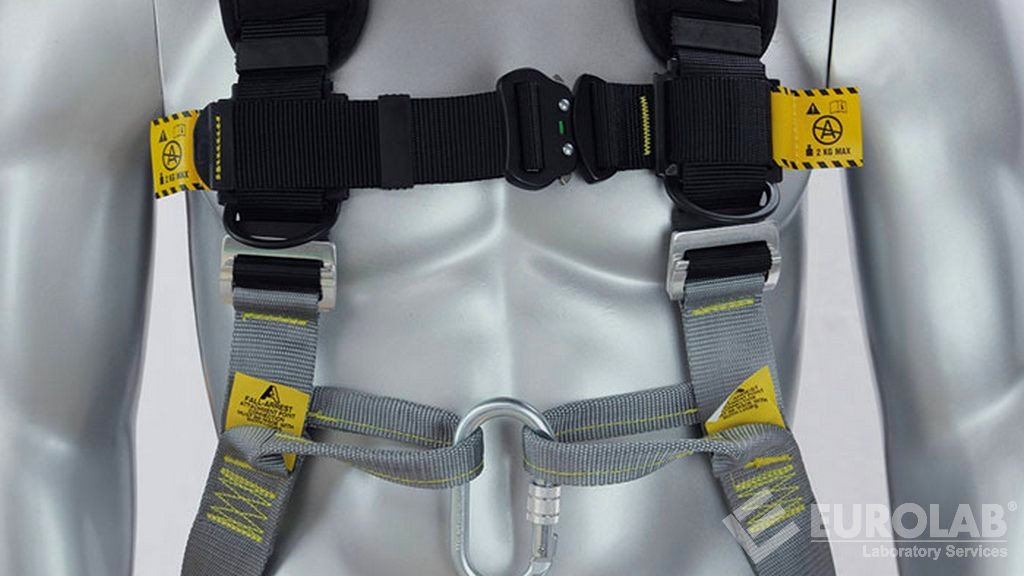
Rescue lifting devices complying with this European standard can be combined with other components or subsystems, such as rescue descenders (EN 341 standard) and retractable fall arresters (EN 360 standard).
Accidents resulting from falls are among the most dangerous work-related incidents. It is the employer’s responsibility to ensure that appropriate precautions are taken to prevent falls when working at height. This could be by installing scaffolding and guardrails, or using a lift or personal fall protection equipment. Personal fall protection equipment can be used for short-term tasks where the work cannot otherwise be carried out safely. In general, personal fall protection equipment is designed to come in three main types:
The EN 1496 standard details the requirements and test methods for rescue lifting devices. These devices are designed to lift users from a resting place to safety after a fall and are generally of two types:
Type b devices are used to lift and lower casualties over obstacles and less than 2 metres, rather than being designed to lower users to the ground.
This standard contains the design and material requirements for the device, including any ropes or wires used with the device. It also contains the requirements for the strength of the device, defined as at least ten times the maximum rated load with a test force of at least 12 kN (user mass of 120 kg). This relates to the requirements for man-carrying devices under normal lifting and lowering conditions.
The EN 1496 standard also includes a test method for the function of the device under overload conditions. According to this standard, the device must be able to lift and hold a mass equal to 1,5 times the maximum nominal load of the device. This standard also includes an ergonomics test. The device must be operated under a maximum applied load of 250 N (e.g. lifting arm).
Type B devices are subject to dynamic performance testing. The device must be capable of arresting a mass equal to the maximum rated load after a free fall of 600 mm with a maximum force applied to the mass of 6 kN. This is included as a precaution in case the device becomes stuck during use and the casualty is released, causing a small free fall. The maximum allowable force of 6 kN ensures that the user is not subjected to excessive forces in such cases. In practice, this usually means that a lifting and lowering device must include a system for energy absorption or use a rope with some inherent stretch (such as a dynamic rope).
Fall arrest personal protective equipment is widely used in many jobs at height. The basic principle of this type of equipment is to prevent the user from striking an object that could cause injury by catching it at an early stage, i.e. before the energy associated with the fall reaches final levels.
Among the numerous tests, measurements, analyses and evaluation studies that our organization has carried out for businesses in various sectors, it also provides testing services defined in the “EN 1496 Personal fall protection equipment - Rescue lifting devices” standard with its trained and expert staff and advanced technological equipment.
To get an appointment, to get more detailed information or to request an evaluation, you can ask us to fill in our form and reach you.

