FCA PS.50014 Copper-Nickel-Chrome (Chrome Plating) Coating of Thermoplastic Parts
The “FCA PS.50014 Copper-nickel-chrome (chrome plating) coating of thermoplastic parts” standard, developed by Fiat Chrysler Automobiles (FCA) (now Stellantis), an Italian-American automotive company, describes the consistent requirements for all decorative chrome-plated plastic materials. This standard replaces the previously published “FCA PS-8810 Chrome plating - Decorative - Plastic parts - Indoor and outdoor use” standard.
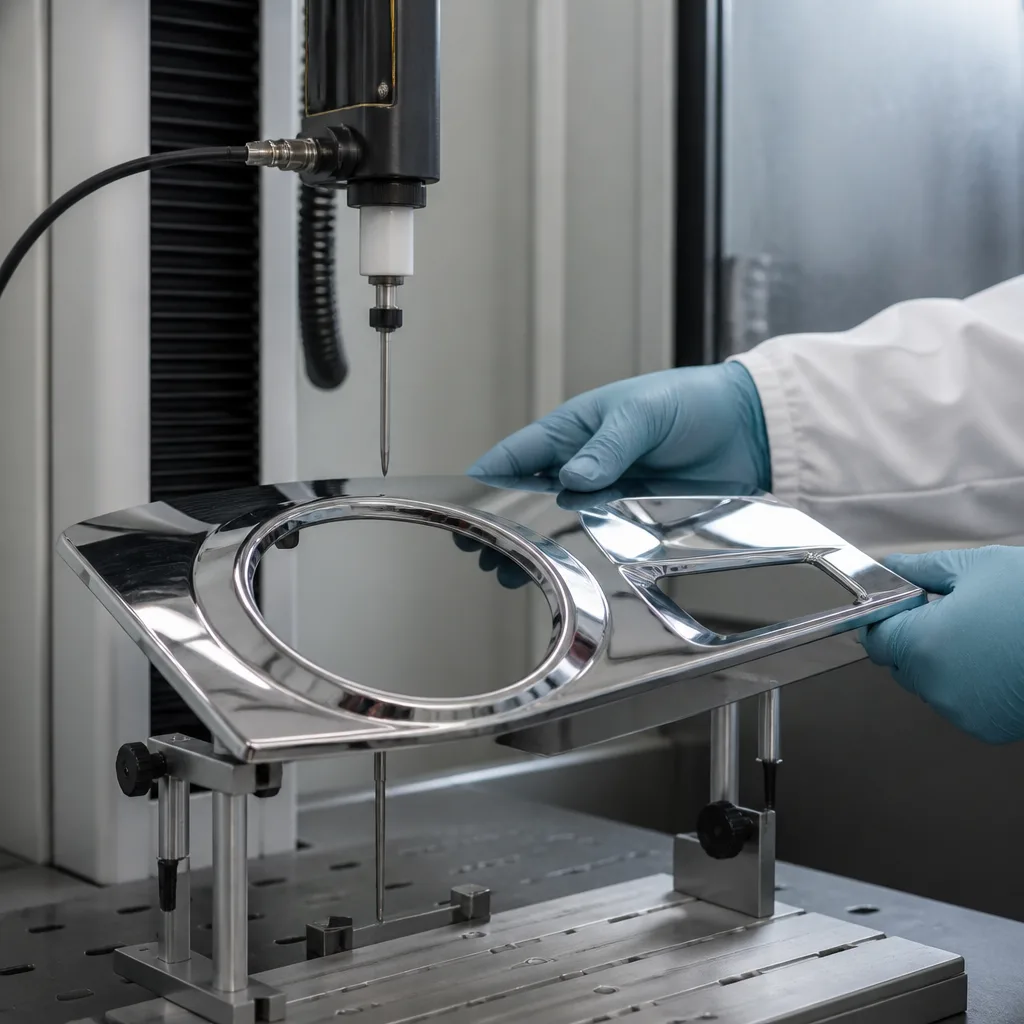
The FCA PS.50014 standard is a material and performance specification developed for the decorative copper-nickel-chromium electroplating of thermoplastic automotive parts. This standard defines the requirements, test methods, coating systems, and performance criteria necessary to ensure that coated plastic parts possess the required appearance, durability, corrosion resistance, and adhesion properties for automotive applications.
This standard applies primarily to exterior and interior decorative parts manufactured from ABS, PC/ABS, and other thermoplastic substrates requiring a metallic chrome-like finish.
The FCA PS.50014 standard covers the following:
- Copper-nickel-chromium electroplating applied to thermoplastic substrates.
- Decorative chrome finishes for automotive interior and exterior components.
- Coating thickness requirements
- Adhesion performance
- Corrosion resistance
- Thermal cycling resistance
- Surface appearance and quality requirements
- Validation tests and acceptance criteria
Typical applications include:
- Door handles
- Front grilles
- Nameplates
- Trim strips
- Interior decorative frames
- Control buttons
- Exterior slats
- Mirror components
The FCA PS.50014 standard specifies a multi-layer coating system, typically consisting of the following:
- Copper layer:
- It improves leveling and surface smoothness.
- It improves adhesion between the plastic substrate and the metallic coating.
- Nickel layer:
- It provides corrosion protection.
- It increases durability and wear resistance.
- Chrome layer:
- This creates the final decorative look.
- Improves scratch and corrosion resistance.
This standard refers to various approved finish types used on FCA vehicle platforms, including satin chrome, black chrome, platinum chrome, liquid chrome, and other decorative variants.
The basic performance requirements have been defined as follows:
- Adhesion: The coating must remain firmly bonded to the thermoplastic substrate throughout the testing and vehicle service life without peeling, blistering, cracking, or separation. Adhesion is typically assessed using sawing or grinding saw test methods.
- Corrosion resistance: Decorative coated parts must withstand severe environmental influences, including those listed below:
- Road salt
- Gender
- Calcium chloride
- Atmospheric pollutants
This standard includes corrosion tests such as the CASS test (accelerated acetic acid salt spray on copper) according to the ASTM B368 standard.
- Thermal cycling resistance: Components are subjected to repeated hot and cold temperature cycles to verify the following:
- Prevention of coating adhesion.
- No bubbles forming.
- Preventing crack formation
- The appearance remains acceptable.
Thermal cycling tests simulate long-term vehicle service conditions.
- Surface appearance: The coated surface must meet stringent cosmetic requirements regarding the following:
- Brightness level
- Color consistency
- Surface smoothness
- It must be free from dents, scratches, burns, or coating defects.
Decorative appearance is a critical acceptance criterion for components visible to the customer.
- Coating thickness: Minimum coating thickness requirements ensure that the following are sufficient:
- Corrosion protection
- Mechanical durability
- Long-term aesthetic performance
Thickness measurements are taken in copper, nickel, and chromium layers.
The validation program typically includes the following tests:
- Coating thickness measurement: To verify the coating structure.
- Adhesion test: To evaluate bond strength.
- Saw-grinding test: To evaluate coating integrity.
- Thermal cycling test: Simulating extreme temperatures.
- CASS salt spray test: To measure corrosion resistance.
- Appearance inspection: To verify cosmetic quality.
- Combined thermal-corrosion test: To evaluate long-term durability.
These tests help ensure that coated parts remain functional and attractive for the life of the vehicle.
Modern vehicles use many coated plastic components for the following reasons:
- It reduces weight compared to metal parts.
- It reduces production costs.
- It provides a superior metallic aesthetic.
- It increases design flexibility.
However, plastic substrates present unique challenges for electroplating. The FCA PS.50014 standard establishes a consistent qualification process that ensures decorative coated components survive in harsh automotive environments without losing appearance or performance.
The FCA PS.50014 standard is important because it specifies performance requirements for copper-nickel-chromium plated thermoplastic components used in a vehicle. These decorative parts are highly visible to customers and are constantly exposed to environmental and mechanical stresses throughout the vehicle's lifespan.
This standard is deemed necessary for the following reasons:
- It provides long-term corrosion resistance: Chrome-plated plastic components are exposed to the following:
- Road salt
- Rain and humidity
- Industrial pollutants
- Car wash chemicals
This standard requires corrosion testing to ensure the coating system protects the underlying substrate and maintains its appearance for many years.
- Prevents peeling and delamination: One of the biggest challenges in coating plastic parts is ensuring strong adhesion between the plastic substrate and the metallic coating layers. This standard verifies that the coating remains firmly adhered under thermal, environmental, and mechanical stress and does not:
- Peeling
- Exfoliation
- Cracking
- Bubble formation
- It maintains a superior appearance: Decorative chrome trim significantly influences the styling and perceived quality of a vehicle. This standard sets requirements for:
- Surface smoothness
- Brightness consistency
- Color homogeneity
- Freedom from visible defects
This helps ensure that the components visible to the customer maintain a high-quality appearance throughout the vehicle's lifespan.
- Validates performance at extreme temperatures: Automotive components can be exposed to temperatures ranging from sub-freezing winters to intense summer heat. This standard includes thermal cycling and environmental testing to verify that coated parts can withstand these conditions without coating failure.
- Expansion and contraction of the plastic substrate.
- Rapid temperature changes
- Prolonged exposure to heat
- Supports lightweight vehicle design: Manufacturers are increasingly replacing metal parts with coated plastic alternatives to reduce vehicle weight and improve fuel efficiency. This standard makes this transition possible by ensuring that coated plastic components provide the following:
- Metallic look
- Sufficient durability
- Corrosion protection
- Cost-effective production
- It enhances supplier quality consistency: This standard provides a common set of requirements for suppliers worldwide. This helps ensure that coated components from different suppliers across all FCA vehicle programs meet the following criteria:
- Consistent coating quality.
- Repeatable production processes
- Reliable field performance
For many years, our organization, with its competent and experienced staff, has been understanding the needs of its clients, providing the advanced testing services they require, and assisting them in the establishment, implementation, and improvement of management systems. Within this framework, we also provide testing services compliant with the FCA PS.50014 standard.



