

Developed by BMW, a leading German multinational company in the automotive industry, the “BMW PR 357 Determination of the Dimensional Stability of Automotive Interior Upholstery and Seat Upholstery under Extreme Climatic Conditions” standard is a crucial material testing standard for automotive interiors. Essentially, it is vital to ensure that components such as door panels, seat covers, instrument panel trims, headliners, and other interior textiles or composites maintain their shape, dimensions, and structural integrity when subjected to extreme temperature and humidity fluctuations that mimic real-world use throughout a vehicle's lifespan.
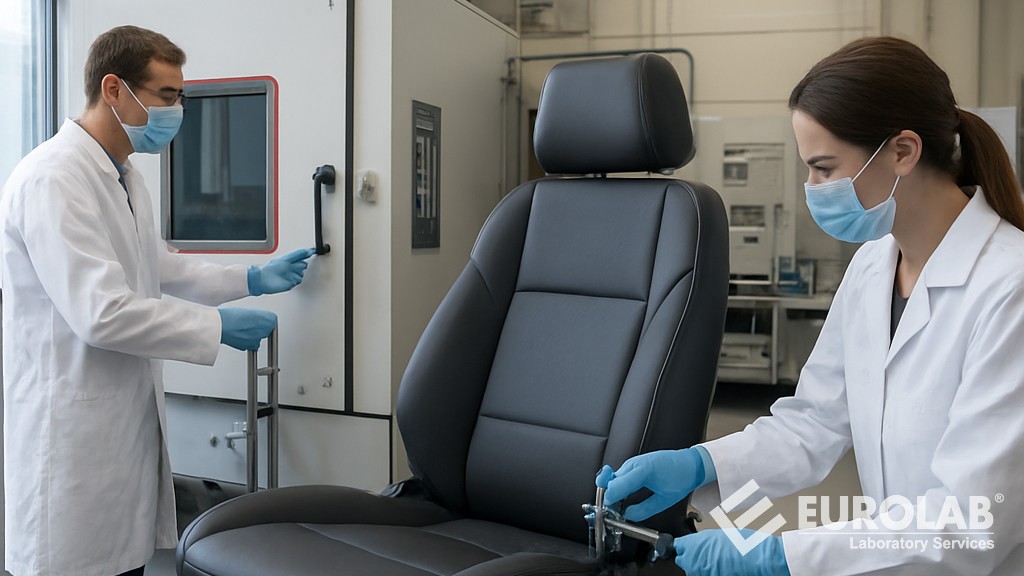
In automotive manufacturing, interior materials must withstand harsh climatic changes without bending, shrinking, expanding, or separating. Poor dimensional stability can lead to visible defects (e.g., gaps, warping, or sagging panels), rattling, reduced aesthetics, or even functional problems such as impaired airbag deployment or decreased seat comfort. The BMW PR 357 standard helps suppliers and manufacturers qualify materials to meet the brand's superior quality requirements in terms of durability and long-term appearance.
This standard is part of BMW’s broader range of tests for automotive components, particularly non-metallic materials in the passenger compartment. The described test method typically involves climatic cycling (climate change testing or extreme climate conditions testing). The key elements are:
This test is generally performed in accordance with relevant standards such as those listed below:
BMW's rigorous interior quality standards reinforce its reputation for refined cabins, even as they age. Materials that pass the BMW PR 357 test provide the following:
This test is particularly important for modern vehicles with larger screens, complex multi-material instrument panels, and sustainable/recycled interior fabrics. Here, size changes can affect tactile feel or integration.
For those working in automotive quality control, material development, or BMW supplier certification, the BMW PR 357 standard is a fundamental requirement for interior soft-touch upholstery.
In short, dimensional stability in an automobile (especially in interior materials such as plastics, textiles, composites, foam, upholstery, instrument panels, door panels, seat covers, and headliners) refers to how well these materials maintain their original shape, dimensions, and conformity over time despite exposure to extreme temperature changes, humidity variations, UV light, and mechanical stress. This property is critical in automotive design and manufacturing for several important reasons:
In conclusion, the BMW PR 357 standard ensures good dimensional stability, keeping the interior aesthetically pleasing, quiet, functional, and reliable throughout the vehicle's lifespan. This directly impacts customer satisfaction, brand reputation, resale value, and warranty costs. Therefore, original equipment manufacturers conduct rigorous testing on their suppliers.
For many years, our organization, with its competent and experienced team, has been understanding the needs of its clients, providing the advanced testing services they require, and assisting them in the establishment, implementation, and improvement of management systems. Within this framework, we also provide testing services in accordance with the BMW PR 357 standard.
To get an appointment, to get more detailed information or to request an evaluation, you can ask us to fill in our form and reach you.

