

The “GME 60286 Determination of Air Permeability of Upholstery Materials” standard, developed by General Motors Europe (GME), includes a laboratory procedure to measure how easily air passes through automotive interior materials such as fabrics, nonwoven textiles, leather, synthetic leather, foams, and multilayer upholstery structures. This standard is currently inactive, but it is widely referenced in the automotive industry for evaluating passenger comfort and material performance.
The primary goal of the GME 60286 standard is to establish a consistent and repeatable method for measuring the air permeability of automotive upholstery materials. Air permeability affects several important vehicle properties, including:
General Motors standardized its testing procedure, enabling objective comparison of materials supplied by different manufacturers.
Air permeability is an important characteristic as it directly affects the interior quality of the vehicle:
The GME 60286 standard is applicable to numerous automotive upholstery materials, including those listed below:
The GME 60286 standard, in principle, measures the amount of air passing through a defined area of material under a specific pressure difference. The test process generally follows these steps:
According to the equipment specifications referenced in the GME 60286 standard, the method typically uses a test area of 100 cm² and a pressure difference of 200 Pa, with results expressed in L/dm² / min.
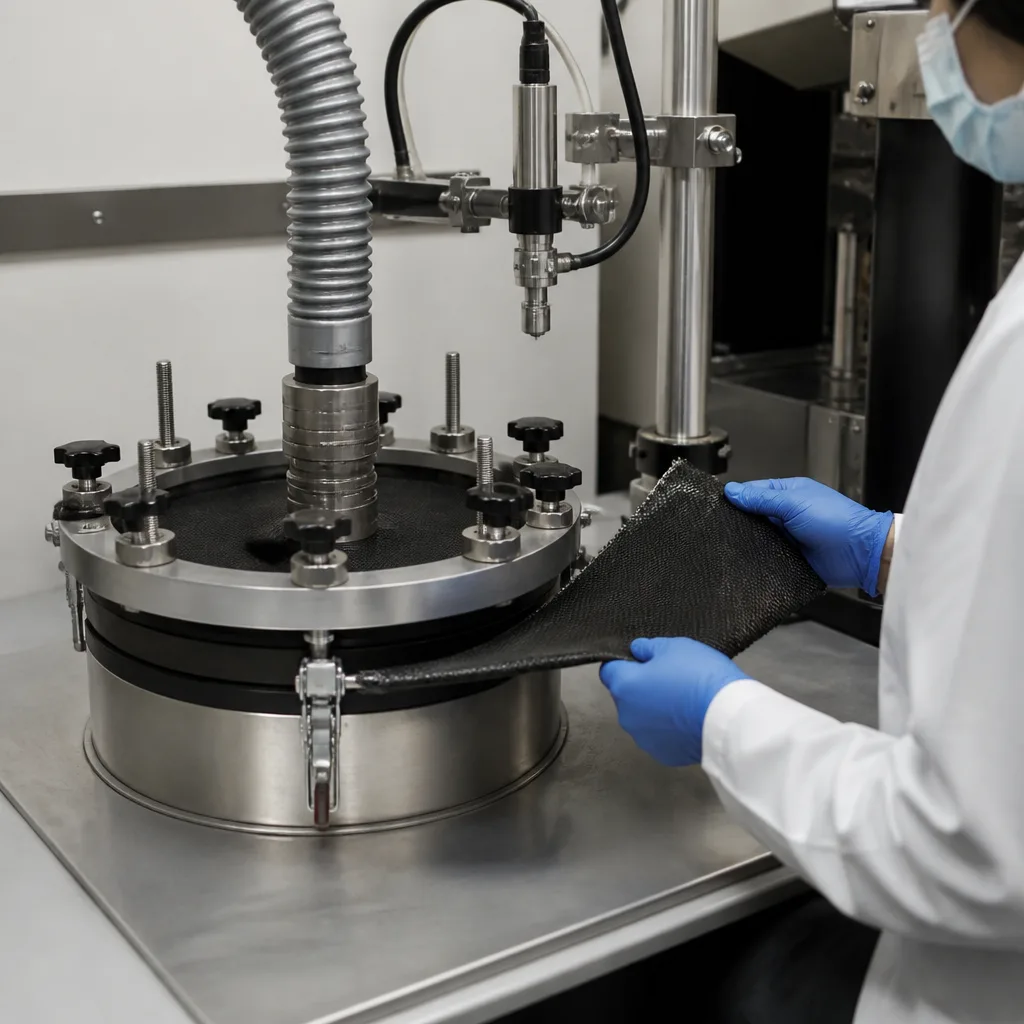
Laboratory equipment used in tests typically consists of the following:
Modern automated air permeability testing equipment can perform these measurements with high repeatability.
Several characteristics affect air permeability measurements:
Since these variables can affect the results, standardized test conditions are essential.
This test is widely applied in the automotive industry in the following areas:
The internal components typically evaluated in these tests are:
The GME 60286 standard offers several advantages, including:
Repeatable laboratory measurements
Although developed specifically for General Motors Europe, the GME 60286 standard follows the same general testing principles as various internationally accepted air permeability standards, including:
When customer specifications permit, many modern laboratories can perform equivalent assessments using these international methods.
The use of the GME 60286 standard helps manufacturers in the following areas:
In conclusion, the GME 60286 standard established a standardized method for evaluating the air permeability of automotive upholstery materials. This property is a crucial characteristic affecting comfort, ventilation, moisture management, and overall interior quality. Although the standard itself is no longer in effect, its methodology remains relevant and is closely aligned with modern international air permeability standards. The principles set forth by the GME 60286 standard continue to support automotive engineers and material suppliers in developing interior materials that balance durability, aesthetics, and passenger comfort.
For many years, our organization, with its competent and experienced staff, has been understanding the needs of its clients, providing the advanced testing services they require, and assisting them in the establishment, implementation, and improvement of management systems. Within this framework, we also provide testing services compliant with the GME 60286 standard.
To get an appointment, to get more detailed information or to request an evaluation, you can ask us to fill in our form and reach you.

