

The GM4486P standard developed by the General Motors company describes a test method for determining the ability of rubber or synthetic elastomer compounds to resist ozone attack at a concentration that can only be encountered in the external atmosphere under statically controlled conditions. This test method is applicable to molded and extruded soft rubber materials and sponge rubber with a smooth natural coating or solid rubber coating on exposed surfaces. However, it does not apply to materials normally classified as hard rubber.
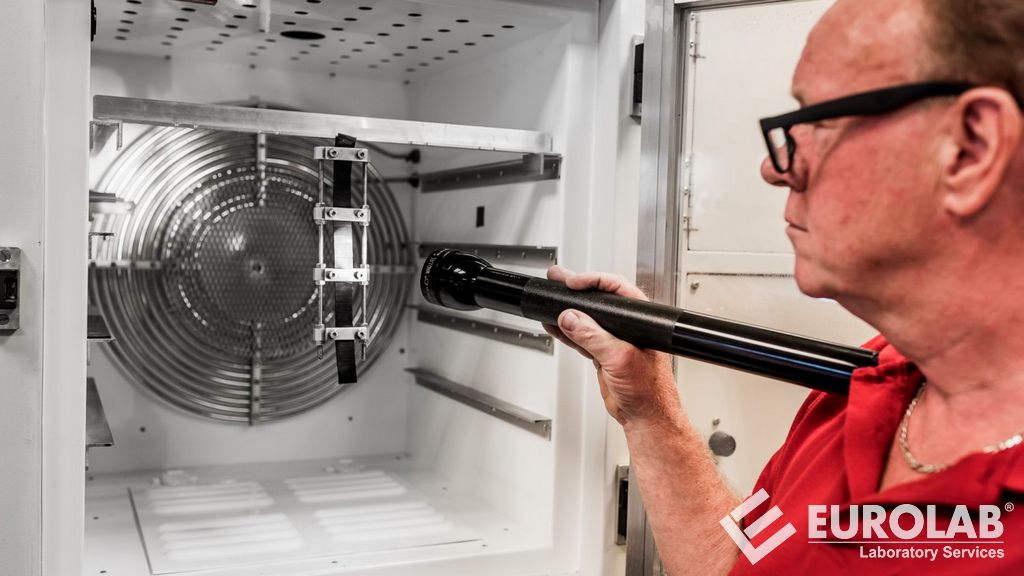
The presence of ozone in the atmosphere adversely affects many rubber products, causing cracking on the surface of the material. Testing material samples in advanced laboratories according to industry standards quickly provides manufacturers with the critical information they need to make formulation decisions.
Ozone is formed when sunlight acts on various pollutants such as nitrogen oxides in the air and volatile organic compounds from vehicle and industrial emissions. Ozone exposure is most common in densely populated areas with high industrial activity, and tires and other rubber products exposed to frequent external exposure are affected by it. It also affects gaskets, o-rings and other rubber accessories by increasing ozone formation when used in industrial equipment such as electric fields, pumps, generators and electrical cabinets.
When ozone comes into contact with rubber, the double and triple chemical bonds are attacked, causing cracking commonly seen on the surface of some rubber products. The most common types of rubber adversely affected by ozone are natural rubber, polybutadiene, styrene butadiene rubber, and nitrile rubber.
These tests are also based on the following standards:
Our organization also provides ozone resistance testing services of elastomer compounds within the scope of the GM4486P standard, with its trained and expert staff and advanced technological equipment, among the numerous test, measurement, analysis and evaluation studies it provides for businesses in various sectors.
To get an appointment, to get more detailed information or to request an evaluation, you can ask us to fill in our form and reach you.

