Ford MA-0019 Anti-Fog
The “Ford MA-0019 Fogging” standard, developed by Ford Motor Company (Ford), describes a test method used to evaluate the fogging properties of automotive interior materials. Fogging refers to the condensation of volatile substances released from plastics, adhesives, foams, textiles, coatings, and other non-metallic materials onto cooler surfaces inside a vehicle, such as windshields and windows, when exposed to high temperatures. These substances can condense on cooler surfaces such as windshields, instrument panel lenses, and screen covers, forming a visible film or haze. This phenomenon can reduce visibility, negatively impact cabin visibility, and contribute to customer complaints regarding interior quality.
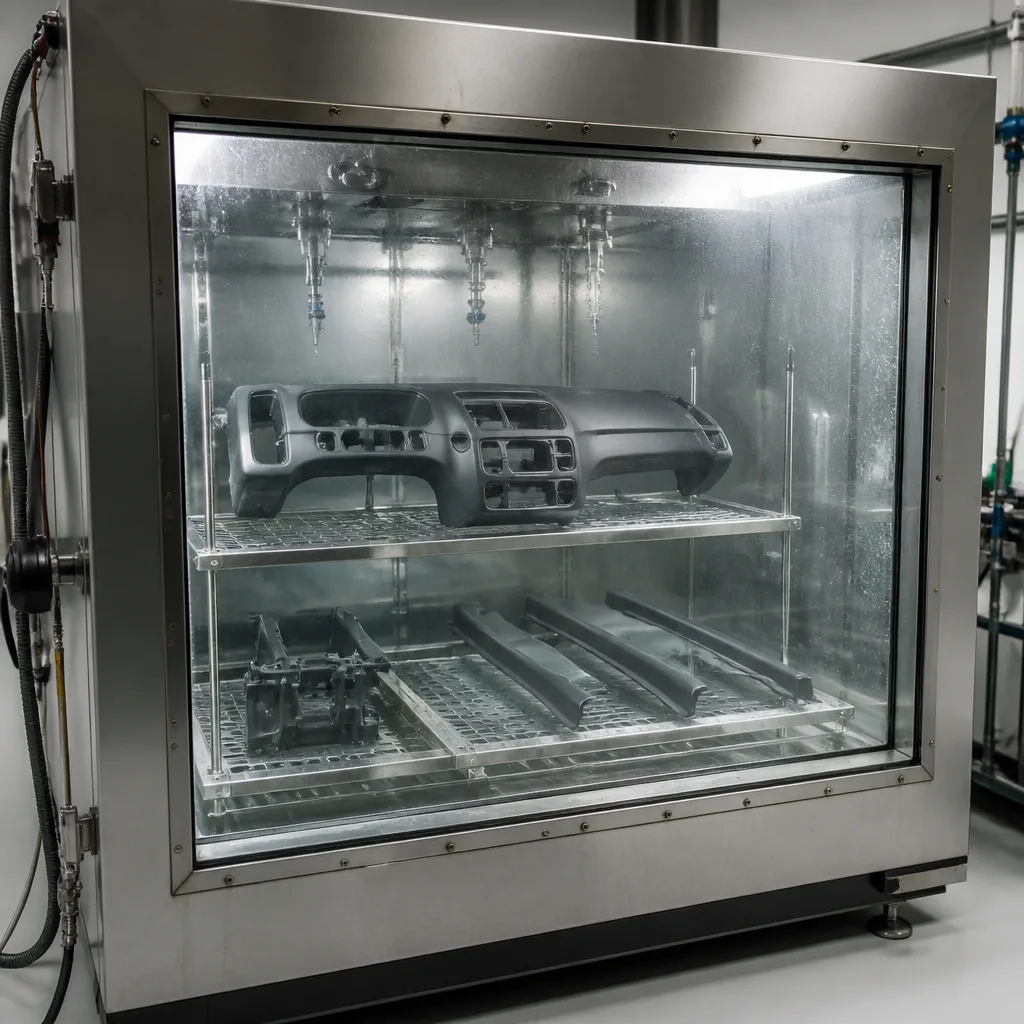
The Ford MA-0019 standard helps ensure that materials used in vehicle interiors do not create excessive fogging that could impair visibility, reduce perceived quality, or negatively affect cabin air quality.
The main objectives of this standard are:
- To measure the tendency of interior materials to emit volatile compounds that can condense.
- To prevent fogging on windshields and windows.
- To protect the driver's visibility and safety.
- Improving the vehicle interior appearance and customer satisfaction.
- To support compliance with Ford's interior air quality requirements.
- To ensure consistency in material selection and supplier qualifications.
Condensation occurs when volatile organic compounds (VOCs) or semi-volatile organic compounds (SVOCs) evaporate from interior materials due to heat exposure and then condense on cooler surfaces. Common sources include:
- Plastics
- Rubber components
- polyurethane foams
- Adhesives
- Coatings
- Synthetic leather
- Textile
- Interior trim components
The resulting deposits may look like this:
- Oil films
- Hazy layers
- Luminous remnants
- Adhesive surface contamination
These deposits can significantly reduce the clarity of the windshield, especially when driving at night or into sunlight.
The Ford MA-0019 standard follows similar fogging assessment principles, typically described in industry standards such as SAE J1756 and DIN 75201. The test generally follows these steps:
- The material sample is placed in a closed test chamber or beaker.
- Heating the sample to accelerate the release of volatile compounds.
- Cooling a glass plate or aluminum foil placed over the sample.
- Allowing the released substances to condense on the cooled surface.
- Measuring the amount of accumulated residue or its optical effect.
The defined measurement methods are as follows:
- Photometric (reflectometric) method: This method evaluates the reduction in light reflection caused by deposits condensing on the glass surface. Higher reflectivity values indicate:
- Lower tendency to fog up.
- Improved material performance.
- Improved visibility features
- Gravimetric method: This method measures the mass of condensed material collected on aluminum foil. The accumulated residue is determined by weighing the collection surface before and after the test. A lower mass increase indicates:
- Lower volatile emissions
- Better anti-fogging resistance.
- Improved indoor environmental quality.
The Ford MA-0019 standard is generally applicable to the following:
- Dashboard materials
- Door trim panels
- Instrument panel trims
- floor coverings
- Ceiling tiles
- Upholstery fabrics
- Leather and synthetic leather
- Adhesive systems
- Foam insulation
- Decorative films
- Interior coatings and paints
The Ford MA-0019 standard is typically used in conjunction with other Ford environmental quality standards, such as those listed below:
- Ford MA-0018: Odor assessment)
- Ford FLTM BO 131 series: interior odor test
- Ford FLTM BZ 157 series: Organic emissions test
- Ford vehicle interior environmental quality specifications.
Together, these standards help to control the following:
- Smell
- VOC emissions
- Fogging behavior
- Cabin environmental quality
The Ford MA-0019 standard is important because it helps ensure that materials inside the vehicle do not release excessive amounts of volatile substances that can condense on glass, screens, and other interior surfaces. This standard directly supports vehicle safety, quality, durability, and customer satisfaction. This standard is important for the following reasons:
- Protects driver visibility and safety: This standard focuses critically on safety. When interior materials release volatile compounds under heat, these compounds can condense on the windshield and side windows, forming a thin haze or film. This haze can cause:
- It reduces the transparency of the glass.
- It increases glare from sunlight and headlights.
- It disperses light during night driving.
- It makes it difficult for drivers to see hazards.
This standard helps maintain clear visibility throughout the vehicle's lifespan by limiting fogging.
- It improves the perception of interior quality: Customers expect their vehicle interiors to remain clean and appealing. Excessive fogging can cause:
- Greasy layers on the glass
- blurry instrument panel glass
- Residues on infotainment screens
- Low image quality
A vehicle that produces visible residue on its interior surfaces may appear to be made from lower-quality materials, even if the components remain structurally sound.
- It controls material emissions: Misting is closely related to the emission of volatile organic compounds (VOCs) and semi-volatile organic compounds (SVOCs). Materials exhibiting high misting generally release greater amounts of chemical emissions. Tests conducted according to this standard help engineers identify the following materials:
- Emitting excessive volatile substances
- can contribute to poor cabin air quality
- Over time, this can create unpleasant indoor conditions.
- Ensures performance under real vehicle conditions: Vehicle interiors can become extremely hot when parked in direct sunlight. Temperatures can exceed:
- 70 degrees on instrument panel surfaces
- Near the windshield, an angle of 80 degrees or higher.
This standard simulates these high-temperature conditions to determine whether a material will release condensable substances during actual vehicle use. Materials that pass the test are more likely to perform more reliably in hot climates and challenging service environments.
- It protects delicate optical components: Modern instruments contain numerous optical surfaces, including:
- Digital instrument panels
- Touch screens
- Head-up displays
- Camera covers
- Sensor windows
- Interior lighting lenses
Even small amounts of concentrated residue can reduce optical clarity and affect the performance of these systems.
For many years, our organization, with its competent and experienced team, has been understanding the needs of its customers, providing the advanced testing services they require, and assisting them in the establishment, implementation, and improvement of management systems. Within this framework, we also provide testing services compliant with the Ford MA-0019 standard.



