

Stellantis, an American automobile brand and division of Chrysler, developed the “Chrysler PF-10938 Scratch and Abrasion Resistance of Molded Colored Plastic Parts” standard, an internal engineering standard that defines minimum requirements for evaluating and accepting the scratch and abrasion resistance of molded colored plastic parts used in automotive applications.
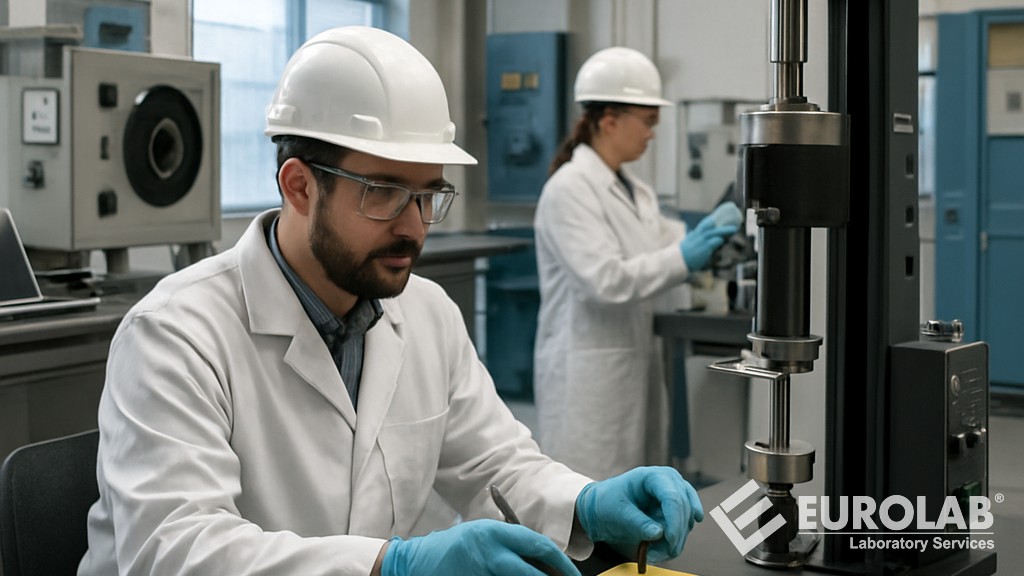
The primary purpose of this standard is to ensure that molded plastic parts, such as interior trim, exterior trim, frames, or other visible parts, maintain their aesthetic appearance over time. This standard aims to:
This is especially important for plastics that are colored during molding (not subsequently painted or coated), as these parts lack additional protective layers and must withstand daily wear, contact, or tear without showing visible deterioration.
The Chrysler PF-10938 standard applies to molded colored thermoplastic components used in automotive interior or exterior applications where appearance is critical. It establishes acceptance criteria for engineering approval, focusing on performance after the molding process.
The Chrysler PF-10938 standard refers to, or conforms to, a procedure that typically uses a multi-finger (five-finger) scratch and wear testing device. This device simulates linear scratching with multiple weighted fingers equipped with interchangeable tips (e.g., 1,0 mm or 7,0 mm hemispherical tips for scratch and wear simulation).
This testing method is closely related to the Chrysler LP-463DD-18 standard procedure, which details determining scratch and abrasion resistance via a single-pass, linearly oriented multi-finger scratching device, and is generally performed using the same equipment.
The key aspects of this testing method are as follows:
The Taber multi-finger scratch/wear tester (Model 710 or equivalent) is the most commonly cited device compliant with the PF-10938 standard, as it conforms to the device described in the Chrysler/Daimler specifications.
The Chrysler PF-10938 standard is among the legacy FCA (Fiat Chrysler Automobiles) standards and continues to be referenced by test laboratories, material suppliers, and automotive first-tier manufacturers for quality control and product development. Similar standards from other original equipment manufacturers include:
These standards help ensure consistent durability in plastic components in vehicles.
The Chrysler PF-10938 standard is required because plastic parts that are directly pigmented during the molding process (not subsequently painted or coated) lack an additional protective surface layer. This makes them naturally more vulnerable to visible damage from everyday contact, which can quickly compromise a vehicle's perceived quality and long-term appeal.
The main reasons why this standard is considered necessary are as follows:
In conclusion, the Chrysler PF-10938 standard exists to meet the demand for vehicles that maintain their superior appearance for years of use through cost-effective, unpainted plastic designs. This standard establishes objective, repeatable acceptance criteria so that suppliers and original equipment manufacturers can consistently deliver parts that withstand real-world conditions without relying on secondary coatings. Similar requirements are seen in other original equipment manufacturers for the same reasons. Maintaining appearance is a significant factor in the overall perception of vehicle quality.
For many years, our organization, with its competent and experienced staff, has been understanding the needs of its customers, providing the advanced testing services they require, and assisting them in the establishment, implementation, and improvement of management systems. Within this framework, we also provide testing services compliant with the Chrysler PF-10938 standard.
To get an appointment, to get more detailed information or to request an evaluation, you can ask us to fill in our form and reach you.

