BMW PA-P 100 Reflectivity Meter Value (Brightness)
Developed by BMW, a multinational vehicle manufacturer, the “BMW PA-P 100 Reflectivity Value (Gloss)” standard is a specialized test standard designed to determine the gloss level (specular gloss or reflectivity value) of materials and surfaces used in its vehicles. This standard is part of BMW’s broader quality assurance and material approval process, particularly for painted, coated, plastic, or interior and exterior components where visual appearance and surface quality are critical.
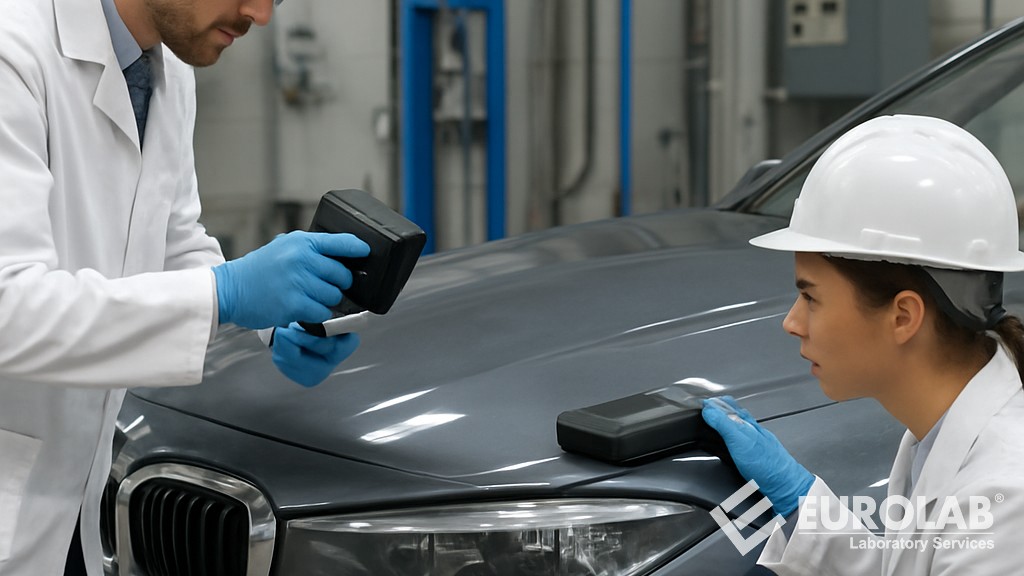
The described test method determines the reflectance value, which measures how much light is specularly reflected from a surface at a given angle. Brightness is an important aesthetic and functional property:
- High-gloss surfaces (such as piano black finishes, polished metal details) reflect more light more sharply.
- Matte or low-gloss surfaces (commonly used in modern BMW interiors to reduce glare) reflect light in a diffused manner.
This method typically follows principles similar to international standards such as “ISO 2813 Paints and varnishes – Determination of gloss value at 20, 60 and 85 degree angles” or “ASTM D523 Standard test method for reflective gloss”, but has been adapted to BMW’s specific requirements for automotive applications. It generally uses a reflectometer to measure reflectivity at standard angles such as 20, 60 and 85 degrees, depending on the expected gloss range.
The reflectometer value (brightness) is a numerical value that measures how bright or reflective a surface appears by determining the amount of light it reflects in a mirror-like (specular) direction. This value is the primary output of a glossmeter (also known as a reflectometer or specular glossmeter), an instrument used in industries such as automotive manufacturing, paints, coatings, plastics, and quality control.
BMW applies strict controls on surface coatings to maintain superior quality consistent with brand identity.
- Interior components: Dashboard trim, door panels, leather or plastics should avoid unwanted reflections that could distract drivers.
- Exterior components: Paint, chrome, or plastic body parts should have a uniform gloss for visual appeal and durability.
- Supplier qualification: Parts suppliers must meet the BMW PA-P 100 standard limits during material approval and production monitoring.
This standard is often listed alongside related BMW tests, such as the “BMW PA-P 028 Cross-scan adhesion test” standard, in material properties.
Typical applications of this standard include:
- Painted plastics (via BMW GS 97045 standard or similar).
- Interior and exterior flooring materials.
- Quality control after exposure to environmental factors (e.g., weather exposure, chemicals).
In short, this standard ensures that surfaces meet the brand's rigorous aesthetic and functional criteria. It is essential because it provides an objective, repeatable, and standardized method for measuring surface gloss (reflectometer value) on vehicle components. This ensures consistent superior quality, brand image, functional safety, and compliance across BMW's global supply chain. This standard is considered so important for the following reasons:
- Maintaining superior brand image and visual consistency: BMW positions itself as a brand producing luxury and high-performance vehicles where every surface—whether glossy exterior paint, piano black interior upholstery, matte instrument panel elements, or chrome details—contributes to an overall perception of quality and sophistication. Differences in gloss can make parts appear mismatched, cheap, or inconsistent (for example, one trim piece appearing glossier than another due to manufacturing variations). This standard reinforces the brand's superior image by ensuring that all visible surfaces conform to BMW's rigorous aesthetic standards.
- Reducing driver distraction and enhancing safety: In modern vehicle interiors, uncontrolled reflections from glossy surfaces (especially on displays, center consoles, or instrument panels) can cause glare that distracts the driver, particularly in direct sunlight or with interior lighting at night. BMW is increasingly using matte or low-gloss surfaces in cabins to minimize reflections and improve display readability. This standard precisely measures specular gloss, helping suppliers achieve the intended low-reflection properties where needed, directly supporting driver focus and safety.
- Quality control and supplier consistency: BMW sources components from a wide global network of suppliers. Without a standardized test like the BMW PA-P 100, gloss levels can vary between batches, suppliers, or even production lines due to differences in paint/coating formulations, curing processes, or material batches. This standard uses defined angles and clear acceptance criteria. This enables objective pass/fail decisions during part approval, production monitoring, and inspections, which is critical for achieving zero-defect targets in superior manufacturing.
- Durability and long-term appearance preservation: Gloss is not limited to initial appearance; it can change after exposure to environmental factors (UV, heat, chemicals, cleaning agents). This standard is often used in conjunction with other BMW tests (e.g., weather resistance, chemical resistance) to verify that the gloss remains within the specified limits throughout the vehicle's lifespan. This prevents issues such as fading, clouding, or unwanted increases/loss of gloss that could diminish perceived quality over the years.
- Regulatory and industry compliance: While not a direct legal requirement, gloss control is linked to broader automotive standards for material performance, passenger safety (glare reduction), and environmental durability.
In conclusion, the BMW PA-P 100 standard is not merely a measurement, but a tool that translates subjective superior appearance into measurable data, ensuring uniform excellence across all vehicles. Without it, maintaining the brand's harmony between form, function, and finish would be far more difficult and inconsistent.
For many years, our organization, with its competent and experienced staff, has been understanding the needs of its clients, providing the advanced testing services they require, and assisting them in the establishment, implementation, and improvement of management systems. Within this framework, we also provide testing services in accordance with the BMW PA-P 100 standard.



