

The “Ford DVM-0019 Scratch Resistance” standard, developed by Ford Motor Company (Ford), describes a test method used to evaluate the resistance of automotive interior and upholstery materials to scratches, abrasion, and surface damage resulting from normal vehicle use. This standard primarily applies to plastics, coated surfaces, vinyls, decorative trim, instrument panels, door panels, center consoles, and other interior components that are frequently touched by vehicle occupants.
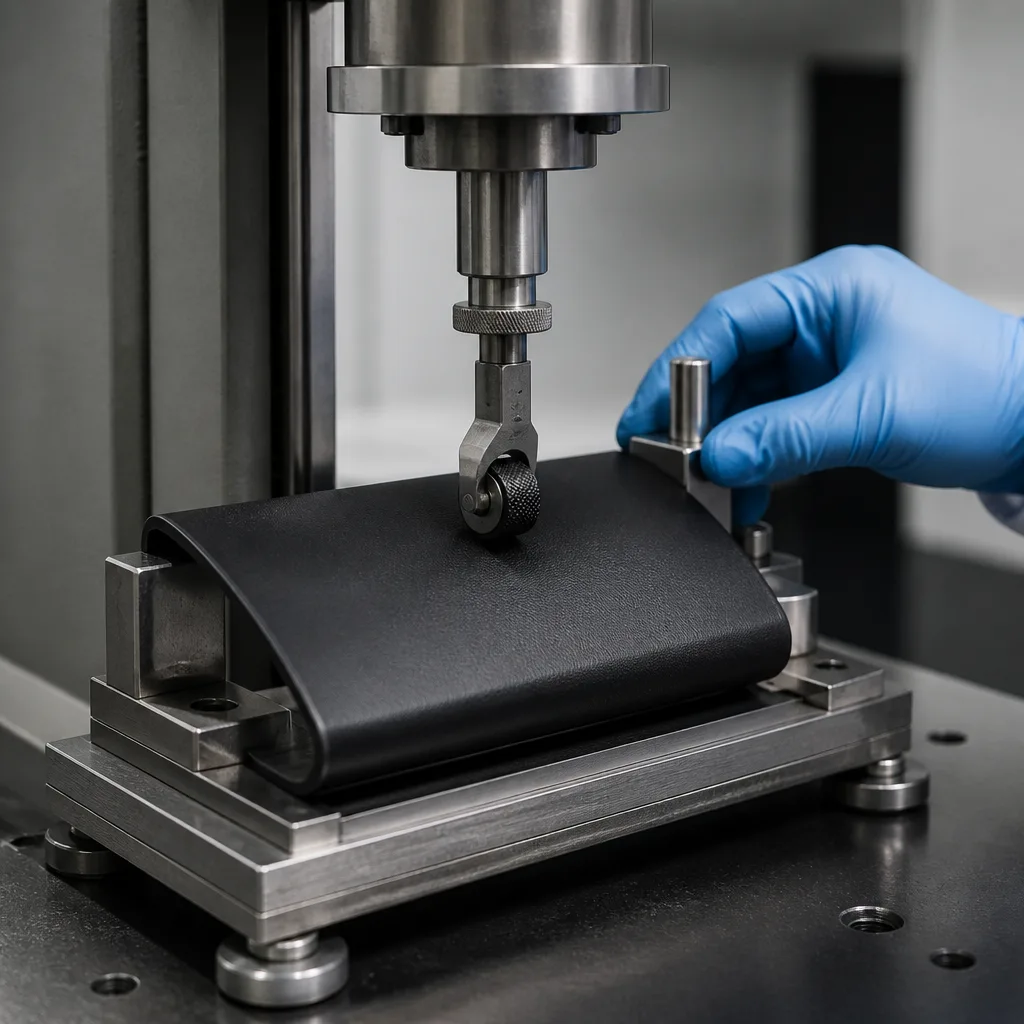
The aim of the test is to ensure that the materials maintain their appearance and functionality throughout the vehicle's lifespan, despite repeated exposure to keys, fingernails, jewelry, belt buckles, bags, and other abrasive objects. Scratch resistance is considered a critical quality attribute, as visible surface damage can significantly impact a customer's perception of the vehicle's quality and durability.
The Ford DVM-0019 standard is used to evaluate the following:
Typical materials tested include:
In principle, this standard evaluates a material's resistance to visible damage when subjected to a controlled scratching process. During the test, a pencil, needle, scratching post, or other specified abrasive device is moved across the surface under a specific load and speed. The resulting damage is then assessed visually or instrumentally. The assessment may include:
The severity of the damage is compared to the Ford acceptance criteria established for the specific component or material specification. Depending on the material and application, typical evaluation methods include:
The Ford DVM-0019 standard is often used in conjunction with the following standards:
Together, these standards provide a comprehensive assessment of the durability of interior materials.
Materials may fail the test for several reasons. Typical failure modes include:
Scratch resistance testing is commonly used by:
Although the procedures vary, the goal is the same: to provide durable, aesthetically stable interior materials for the entire lifespan of the vehicle.
The Ford DVM-0019 standard is important because it helps ensure that automotive interior materials can withstand scratches and surface damage that occur during normal vehicle use. Modern vehicle interiors contain numerous plastic, coated, and decorative surfaces that are frequently touched and exposed to abrasive objects. Without adequate scratch resistance, these surfaces can quickly show signs of wear, negatively impacting both appearance and customer satisfaction. This standard is considered necessary for the following reasons:
In short, the Ford DVM-0019 standard is a proprietary automotive durability standard that evaluates the scratch resistance of interior and upholstery materials. By simulating real-world mechanical damage and assessing the resulting surface appearance, this standard helps Ford ensure that its vehicle interiors maintain their quality, aesthetics, and customer appeal for years to come. Material approval plays a vital role in supplier qualification and long-term vehicle durability verification.
For many years, our organization, with its competent and experienced team, has been understanding the needs of its customers, providing the advanced testing services they require, and assisting them in the establishment, implementation, and improvement of management systems. Within this framework, we also provide testing services compliant with the Ford DVM-0019 standard.
To get an appointment, to get more detailed information or to request an evaluation, you can ask us to fill in our form and reach you.

