

The “BMW AA-0264 Saltwater Immersion Multiple Stone Impact Test” standard, developed by BMW, a multinational vehicle manufacturer, describes a test method designed to simulate the resistance of motor vehicle paints and other coatings to stone impact and corrosion stress. This test is primarily used to evaluate the durability of painted metal components and coating systems after they have been damaged by simulated stone impacts and then exposed to a corrosive salt environment.
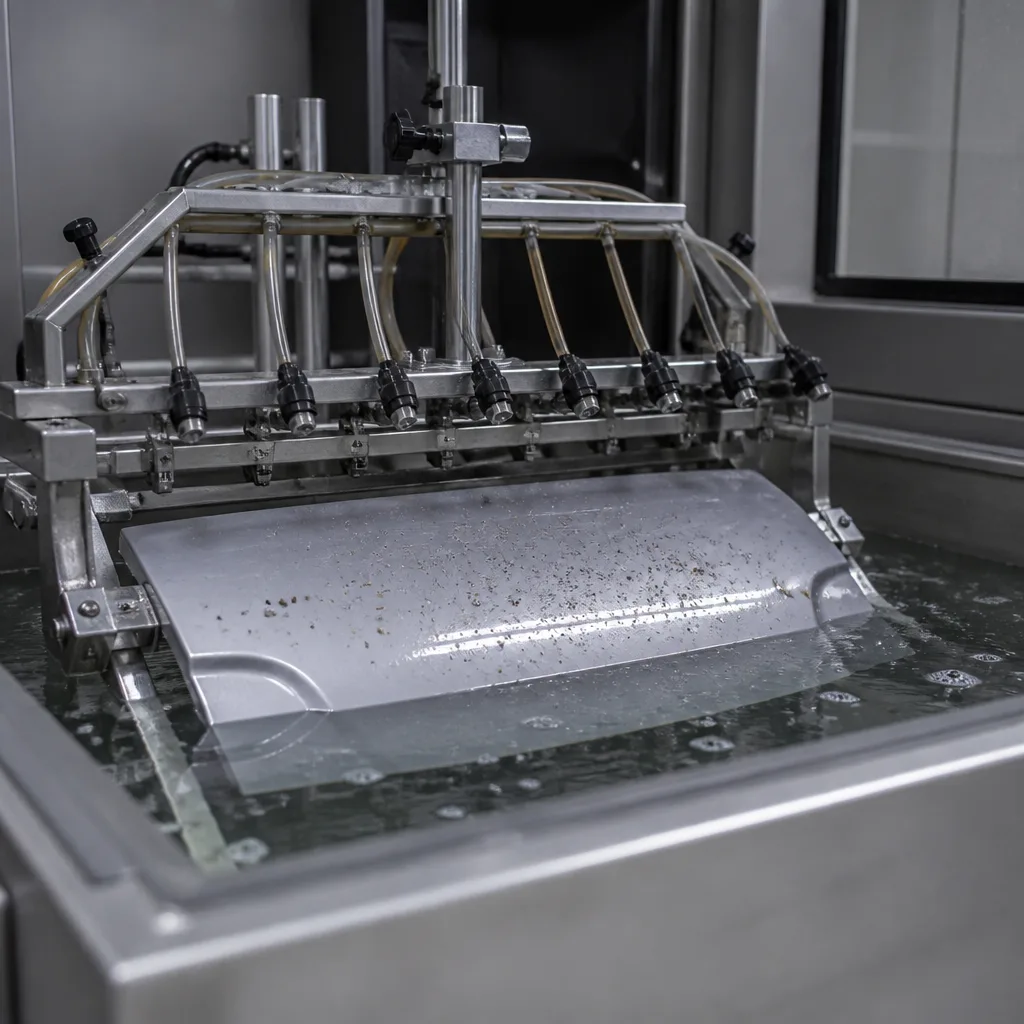
The BMW AA-0264 standard is a proprietary corrosion and coating durability test designed to evaluate the performance of painted automotive components after simulated stone chip damage followed by exposure to saltwater. The test reproduces one of the most demanding service conditions faced by vehicles operating on public roads, where gravel and road debris damage the paint film and moisture and de-icing salts initiate corrosion.
This standard is widely used in the development and approval of vehicle coating systems, ensuring that automotive paints continue to protect metal surfaces even after mechanical damage. It is particularly important for vehicles used in areas where road salting is common in winter or in coastal regions.
The primary purpose of the BMW AA-0264 standard is to determine whether a coating system can and cannot do the following:
Unlike conventional corrosion tests, the BMW AA-0264 standard combines mechanical impact with abrasive exposure, providing a much more realistic assessment of vehicle durability.
During normal driving, vehicle surfaces are constantly struck by:
These impacts can penetrate the paint coating, exposing the bare metal. Without adequate corrosion protection, the following can occur on the exposed surface:
The BMW AA-0264 standard evaluates how effectively the coating limits these failures.
The described test method consists of two main stages:
The combination of impact damage and salt exposure reveals weaknesses that might not show up in conventional laboratory corrosion tests.
The BMW AA-0264 standard typically evaluates the following materials:
The test is applicable to virtually any painted exterior metal component exposed to road debris.
The BMW AA-0264 standard evaluates complete automotive paint systems, including:
Each layer contributes to the overall resistance measured during the test.
Following exposure, trained inspectors examine samples for the following:
Inspectors determine whether the paint remains firmly adhered around the damaged areas.
Acceptance criteria are defined by BMW for specific components and coating systems.
The BMW AA-0264 standard is closely related to the BMW AA-0079 standard, which specifies the resistance of coatings to multiple impact stone chips. While the BMW AA-0079 standard focuses on mechanical damage caused by stone chips, the BMW AA-0264 standard expands the assessment by evaluating subsequent corrosion behavior by exposing damaged samples to saltwater. Together, these two standards provide a comprehensive evaluation of coating durability under realistic service conditions.
Although developed for BMW, similar testing principles are widely applied in the automotive industry by:
Methodology is particularly valuable in new tool development and supplier qualification processes.
The BMW AA-0264 standard offers several important advantages:
Meanwhile, traditional salt spray tests expose intact painted panels to an abrasive environment but do not account for pre-existing mechanical damage. The BMW AA-0264 standard better represents real-world service because it evaluates coatings after simulated stone chips and provides information on corrosion behavior in cases where the protective paint film is damaged.
BMW engineers use the BMW AA-0264 standard in the following situations:
This standard helps ensure consistent corrosion performance throughout a vehicle's lifespan.
In short, stone chip damage is inevitable throughout a vehicle's service life. Even advanced coating systems can fail if corrosion develops in damaged areas. The BMW AA-0264 standard provides a realistic and rigorous assessment of coating performance by combining impact damage with saltwater exposure, allowing engineers to verify that paint systems continue to protect the underlying metal even after coating damage. In this respect, this standard remains an important qualification test for automotive exterior coatings.
For many years, our organization, with its competent and experienced staff, has been understanding the needs of its customers, providing the advanced testing services they require, and assisting them in the establishment, implementation, and improvement of management systems. Within this framework, we also provide testing services in accordance with the BMW AA-0264 standard.
To get an appointment, to get more detailed information or to request an evaluation, you can ask us to fill in our form and reach you.

