

The “DAF KEUR 00822-107 Coating materials - Determination of color fastness to light” standard, developed as part of the official approval or certification process for parts, materials, or processes used in trucks manufactured by DAF, a Dutch truck manufacturer, specifically addresses the issue of light fastness of coating materials. This standard describes a test method for determining how well textile fabrics, synthetic leather, plastics, or other interior and exterior coating materials resist fading, discoloration, or other changes when exposed to light, particularly by simulating prolonged sunlight conditions.
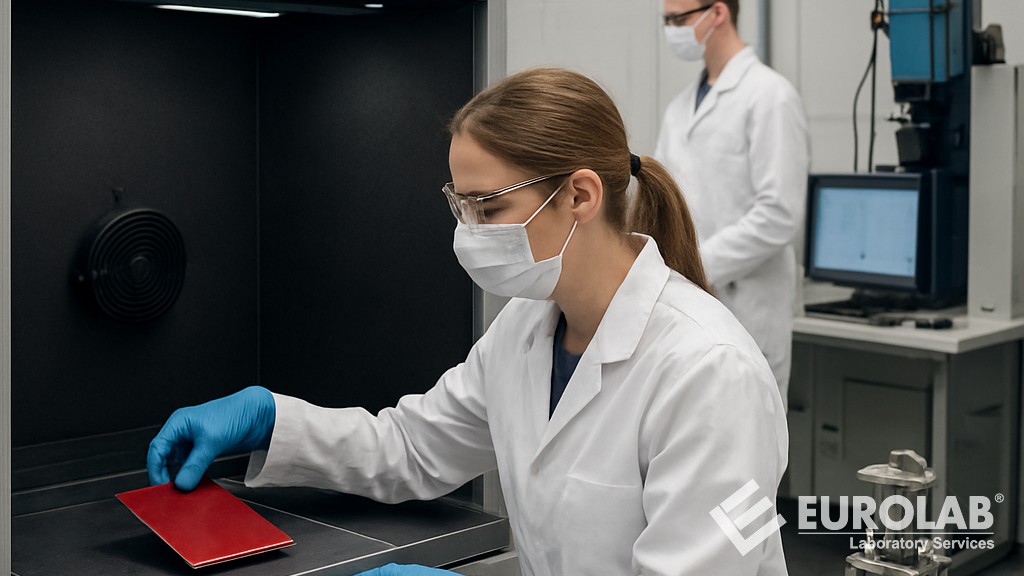
This is critical for truck cabs, seats, instrument panels, door panels, and windows, or other visible surfaces exposed to prolonged sunlight in outdoor storage/operation scenarios. Poor lightfastness can lead to aesthetic degradation, decreased perceived quality, and potential customer complaints in the commercial vehicle sector.
The aim of this test is to evaluate the resistance of materials to color change or degradation caused by exposure to light (typically using xenon arc lamps to mimic natural daylight, including UV radiation). This test is primarily applied to interior upholstery materials such as fabrics, vinyls, artificial leathers, and similar upholstery or trim components used in DAF trucks.
This standard belongs to the broader DAF KEUR 00822 standard series, which focuses on environmental durability and appearance retention tests for materials.
This standard is compatible with, or derived from, international standards such as the following:
The DAF KEUR 00822-107 standard test method generally includes the following:
Acceptance criteria are defined by DAF (e.g., a minimum grayscale rating of 4 or better after a specified exposure dose in MJ/m2 or hours).
Companies supplying textiles, coverings, and interior components for DAF trucks must demonstrate compliance with the DAF KEUR 00822-107 standard (along with other KEUR standards) during the part approval process. This ensures long-term visual quality in demanding truck applications where vehicles may operate in extreme climates and exposure to sunlight is critical.
The DAF KEUR 00822-107 standard is a test standard relating to the color fastness to light of upholstery materials such as fabrics, foams, and synthetic surfaces used in vehicle interiors. This standard defines a standardized method for determining how well these materials resist fading or changing color when exposed to artificial light.
In short, this standard evaluates whether the appearance of interior materials will remain stable over time when exposed to the lighting and heat conditions that occur during regular use of a vehicle.
In commercial vehicles such as DAF trucks, the coating materials are exposed to various light sources:
In materials that lack sufficient light resistance, colors may fade, shift, or become streaky, leading to the following:
Color fastness testing helps ensure that materials retain their intended color and aesthetics throughout the vehicle's lifespan.
This standard is typically based on “ISO 105-B02 Textiles - Color fastness tests - Part B02 Color fastness to artificial light: Xenon arc fading lamp test” and the tests are performed in accordance with established textile testing practices. This represents a standardized approach to evaluating color fastness to artificial light sources.
In general, the process involves the following:
The DAF KEUR 00822-107 standard is part of a broader set of KEUR standards relating to coating materials. Some of the relevant standards are:
Together, these tests form a comprehensive materials evaluation framework that helps DAF ensure its interior components not only perform mechanically but also maintain their visual quality and passenger comfort throughout their service life.
For many years, our organization, with its competent and experienced staff, has been understanding the needs of its customers, providing the advanced testing services they require, and assisting them in the establishment, implementation, and improvement of management systems. Within this framework, we also provide testing services to businesses in accordance with the DAF KEUR 00822-107 standard.
To get an appointment, to get more detailed information or to request an evaluation, you can ask us to fill in our form and reach you.

