

The “BMW AA 0236 Accelerated Weather Resistant Color Stability” standard, developed by BMW, a multinational vehicle manufacturer, describes a special internal test procedure to evaluate the color fastness (color stability) of painted surfaces, coatings, plastics, and other materials used in automotive components. This procedure simulates prolonged exposure to sunlight and weather conditions using accelerated laboratory methods, ensuring that BMW parts maintain their appearance and resist fading throughout the vehicle's lifespan.
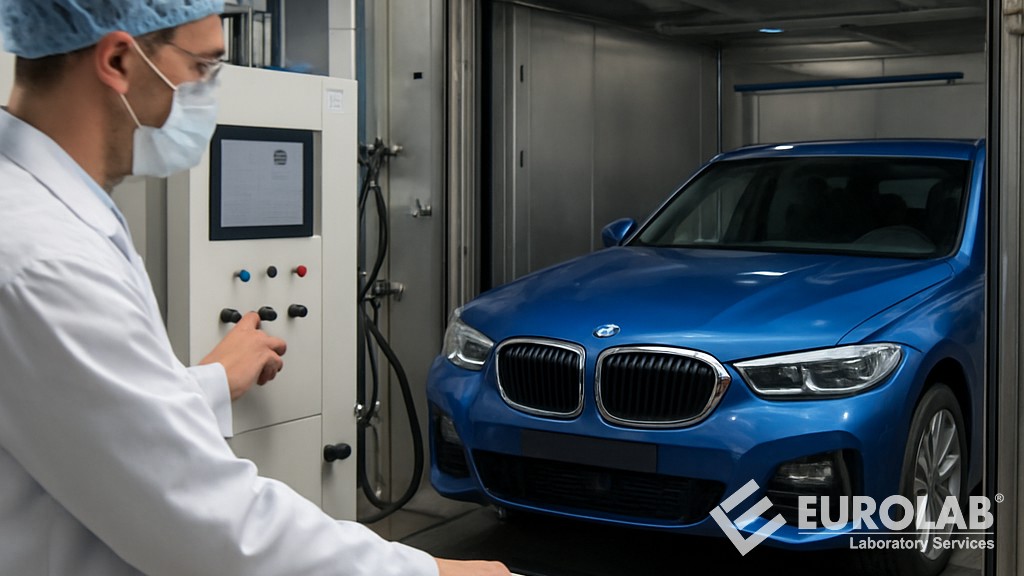
This standard focuses on resistance to color change when exposed to artificial weathering conditions. It is particularly applicable to:
This standard helps suppliers and BMW's quality teams verify that materials will not show unacceptable fading, yellowing, discoloration, or other visual deterioration when exposed to UV light, heat, and humidity for extended periods.
The BMW AA 0236 standard is closely aligned with the “DIN EN ISO 4892-2 Plastics - Methods of exposure to laboratory light sources - Part 2: Xenon arc sources” standard and is generally based on xenon arc lamp testing using Procedure A with a standard black temperature of 65 degrees.
Generally, the basic elements are as follows:
This test is frequently used in conjunction with relevant BMW procedures:
The BMW AA 0236 standard is a mandatory requirement in BMW's supplier quality specifications, especially for painted or surface-treated parts. Advanced testing laboratories regularly apply this procedure to document compliance. This ensures long-term aesthetic quality, which is critical for premium vehicles where color consistency contributes to perceived value and durability. This standard remains a cornerstone of BMW's material durability testing program to ensure world-class surface quality.
The BMW AA 0236 standard is essential because it ensures that painted surfaces, coatings, plastics, and other materials on BMW vehicles maintain their superior appearance and resist degradation from prolonged exposure to real-world conditions. The main reasons for the existence of this standard are as follows:
These factors degrade pigments, binders, and clear coatings over time. This standard simulates years of outdoor exposure in just 1000–2000 hours using accelerated xenon arc testing, allowing BMW to predict and prevent unacceptable visual changes before parts reach production.
This reduces warranty claims, rework, and customer complaints related to fading or color mismatch.
In conclusion, the BMW AA 0236 standard is a critical safety measure that protects BMW's brand reputation.
For many years, our organization, with its competent and experienced staff, has been understanding the needs of its clients, providing the advanced testing services they require, and assisting in the establishment, implementation, and improvement of management systems. Within this framework, we also provide testing services to businesses in accordance with the "BMW AA 0236 Accelerated weather resistance color stability" standard.
To get an appointment, to get more detailed information or to request an evaluation, you can ask us to fill in our form and reach you.

