

Developed by BMW, a multinational vehicle manufacturer, the “BMW GS 93042 Thermoplastic elastomers, requirements and tests” standard describes the requirements and test methods for materials and components made from thermoplastic elastomers.
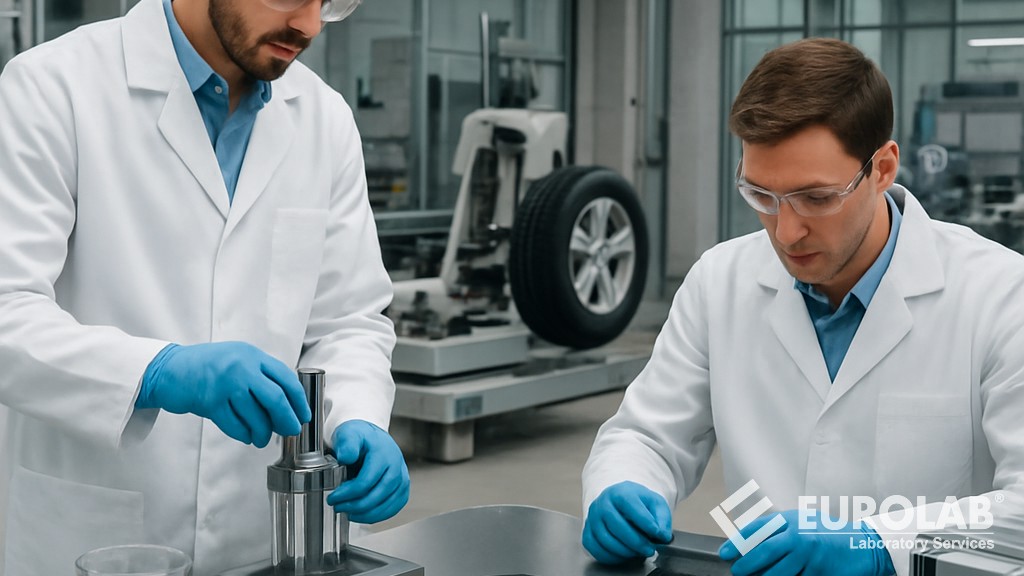
The BMW GS 93042 standard sets stringent performance, durability, and quality criteria for thermoplastic elastomer (TPE) materials and parts. TPEs are versatile, rubber-like plastics that combine the processability of thermoplastics with the flexibility of rubbers. They are commonly used in vehicles for gaskets, seals, interior trim, handles, floor mats, vibration dampers, and molded parts (e.g., soft-touch surfaces or 2K injection molding).
The BMW GS 93042 standard encompasses a wide range of specifications to ensure that TPE materials meet the automotive industry's demands in terms of durability, safety, comfort, and environmental compatibility. Typical categories include:
The test methods frequently referenced in this standard are as follows:
Interior components (handles, seals, mats) must pass rigorous emission tests to meet low fogging/low odor requirements.
Exterior/under-hood applications require weather, chemical, and thermal resistance.
Suppliers typically list BMW GS 93042 standard approval after passing a complete series of tests that often include cross-references to other original equipment manufacturer specifications such as DBL 5562 (Mercedes) or VW 50123. These approvals help ensure parts pass rigorous qualification testing for use in BMW's production vehicles (including interiors, under-hood applications, and even some exterior flexible components).
BMW GS 93042 is a mandatory technical specification because thermoplastic elastomers (TPEs) are critical functional materials in modern vehicles, and their performance directly affects safety, durability, comfort, environmental compatibility, brand reputation, and regulatory requirements. Here are the main reasons why such a detailed standard is necessary in the automotive industry:
Thermoplastic elastomer (TPE) parts (seals, gaskets, handles, mats, vibration dampers, soft-touch coatings) must maintain their elasticity, strength, and appearance for 10-15 years or 200.000 km without cracking, shrinking, hardening, or losing their sealing function.
Without rigorous testing for heat aging, compression permanent deformation, tear resistance, and environmental exposure, a TPE can rapidly degrade, leading to leaks (e.g., water ingress), noise and vibration problems, or safety risks (e.g., door seal failure in accidents).
This standard incorporates rigorous emission/fogging tests (e.g., DIN 75201-B gravimetric fogging, VDA 270 odor, BMW-specific VOC limits) to ensure low-emission behavior. This is critical for addressing new car odor complaints, allergy concerns, and compliance with standards such as ISO 16000 or global cabin air regulations.
In conclusion, the BMW GS 93042 standard represents one of the fundamental material standards guaranteeing the use of high-quality, long-lasting flexible plastics in BMW vehicles. It ensures that flexible components operate reliably under demanding conditions throughout the vehicle's lifespan, meeting regulatory and comfort requirements and maintaining the high standards expected of the brand. Meanwhile, other original equipment manufacturers also have similar standards (for example, DBL 5562 and VW TL 528 standards).
For many years, our organization, with its competent and experienced team, has been understanding the needs of its clients, providing the advanced testing services they require, and assisting them in the establishment, implementation, and improvement of management systems. Within this framework, we also provide testing services in accordance with the BMW GS 93042 standard.
To get an appointment, to get more detailed information or to request an evaluation, you can ask us to fill in our form and reach you.

