

In regions where winter conditions can transform roads into dangerous ice rinks overnight, traction is not just a convenience, but a lifeline. Washington State, a mix of urban highways and mountain passes, mandates specialized equipment to combat slippery conditions. While traditional tire chains have long been the gold standard, advances in automotive technology have paved the way for innovative alternatives.
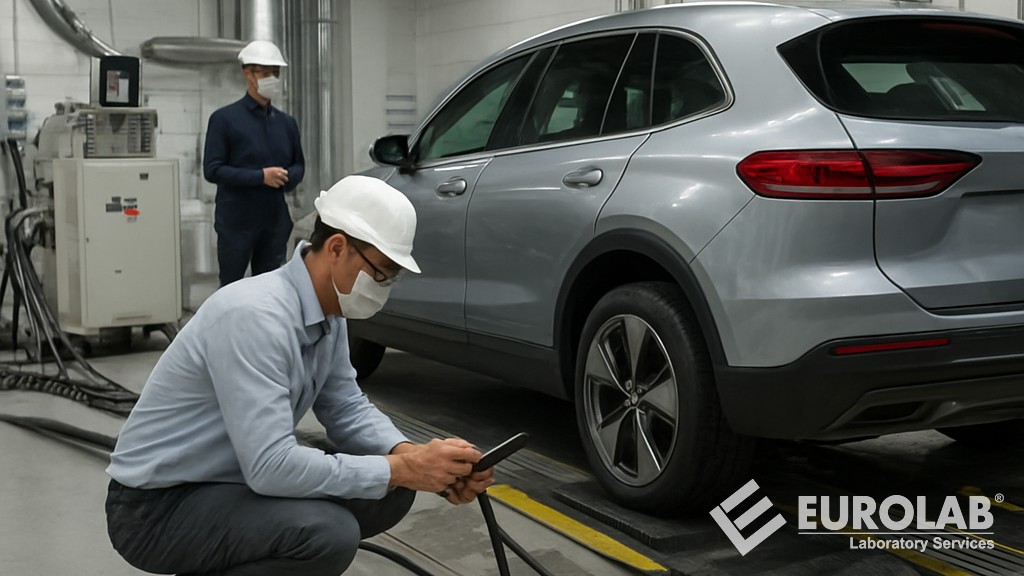
WAC 204-24-035, a regulation of the Washington Administrative Code that sets strict standards for the approval of these alternative traction devices, is an important regulation in this regard. Enforced by the Washington State Patrol, this rule ensures that any alternative used in place of chains performs at least as well as them on snow and ice, thus guaranteeing driver safety without compromising vehicle integrity.
WAC 204-24-035 reflects a balance between innovation and safety. This regulation authorizes manufacturers to obtain approval for products such as studless winter tires, cable chains, or other chainless devices, but this approval is only possible after passing rigorous testing.
WAC 204-24-035 addresses a fundamentally practical challenge: how to approve traction aids that can compete with the performance of approved tire chains without introducing new risks. Washington's winter driving laws require vehicles to carry and use traction devices during chain check periods on highways. Traditional chains can be cumbersome, damaging to roads, and incompatible with modern vehicle electronics. This regulation opens a path for alternative traction devices to receive official approval, provided they meet or exceed chain performance.
The rule is based on public safety. By mandating comparative testing with already approved reference tire chains in Washington, it guarantees that alternatives provide equivalent grip on snow and ice. It also considers real-world durability and compatibility, acknowledging that winter roads expose vehicles to salt, fuels, and harsh weather conditions. Ultimately, WAC 204-24-035 promotes safer and more efficient winter driving while fostering technological advancement in the automotive industry.
To earn the Washington State Patrol's seal of approval, alternative traction devices must pass a series of tests and documentation. Regulations separate the requirements into test protocols, material durability, and administrative applications. Tests must be conducted on vehicles certified according to the U.S. Federal Motor Vehicle Safety Standards, using summer tires to simulate baseline conditions. All tests demonstrate that the chain meets or exceeds the performance of an approved Washington state tire chain by directly comparing the device to it.
These protocols enable devices to perform in all vehicle types.
Beyond raw performance, the devices must integrate seamlessly with modern security technologies:
This point is particularly important for electric and hybrid vehicles, where traction aids may interfere with regenerative braking or stability controls.
Manufacturers must provide comprehensive evidence to the Washington State Patrol. This includes:
This transparency builds trust and allows the Washington State Patrol to verify the allegations.
Approved alternatives can facilitate compliance in chain-reaction zones, reducing roadside delays and vehicle wear. However, drivers should always check the Washington State Patrol's list of certified devices and keep spares on hand, as regulations are constantly changing and not all products make it onto this list.
Manufacturers face both opportunities and obstacles. This regulation encourages R&D in environmentally friendly and user-friendly traction technologies, but the testing burden is quite high.
In conclusion, WAC 204-24-035 exemplifies a smart regulatory approach: safety first, then hindering innovation. As winter storms approach and vehicles become smarter, this standard continues to drive the pursuit of better handling.
For many years, our organization, with its competent and experienced staff, has been understanding the needs of its customers, providing the advanced testing services they require, and assisting in the establishment, implementation, and improvement of management systems. Within this framework, we also provide testing services to businesses in accordance with the "WAC 204-24-035 Standards for Alternative Traction Devices" regulation.
To get an appointment, to get more detailed information or to request an evaluation, you can ask us to fill in our form and reach you.

