

Developed by BMW, a leading German multinational company in the automotive sector, the “BMW TL 7 458 356 PVC synthetic leather, lightweight grade (grain pattern)” standard is a BMW technical specification for lightweight, grained PVC synthetic leather used in components such as interior upholstery or trim. This standard is part of BMW’s internal delivery and quality standards for materials supplied to BMW by original equipment manufacturers (OEMs). It defines the type of material, grade, appearance (grain pattern), and testing and acceptance criteria that suppliers must meet.
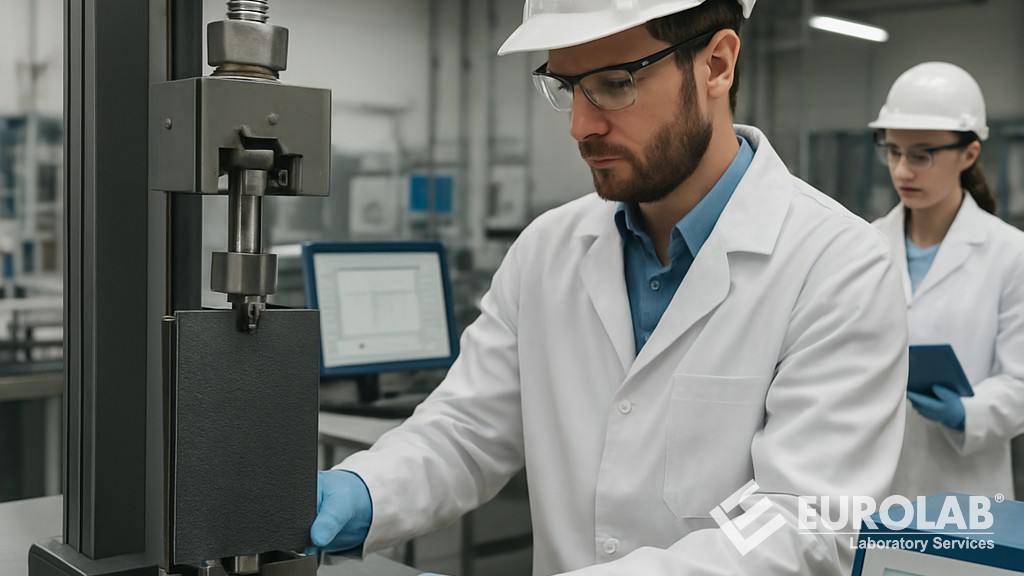
The BMW TL 7 458 356 standard regulates lightweight PVC synthetic leather with a specific textured surface. This is typically applied to interior upholstery surfaces where this particular material grade is required. The BMW TL 7 458 355 standard covers standard grade PVC synthetic leather, while the BMW TL 7 458 356 standard transitions to a lightweight variant of this material. These standards are used internally by BMW and its suppliers to ensure consistent quality in production.
The BMW TL 7 458 356 standard focuses on lightweight PVC imitation leather (PVC synthetic leather). It is typically used in interior trim elements such as seat upholstery, door panels, instrument panels, armrests, and other coated or tri-layered surfaces where a leather-like look and feel is desired at a lower cost than real leather.
This standard covers lightweight PVC imitation leather. This is a multi-layered synthetic material designed to mimic the look, feel, and durability of real leather, while also meeting automotive standards for weight reduction, cost efficiency, and environmental compatibility.
This standard generally includes the following:
One of the sections frequently referenced in connection with the BMW TL 7 458 356 standard is “§ 3.1.8.3 Crease/Fold Formation”. This subsection tests the material's resistance to forming permanent creases or wrinkles under simulated use, heat, humidity, or mechanical stress. This is critical for long-term interior aesthetics in vehicles.
Typical tests conducted within this framework include:
Standards such as BMW TL 7 458 356 ensure consistency among global suppliers, helping BMW maintain a high perceived quality in its interiors, especially in models where synthetic leather options are offered.
This standard is revised regularly to incorporate new environmental regulations (REACH, reduced volatile organic compounds), improved recyclability, and advancements in synthetic material technology.
In short, the BMW TL 7 458 356 standard is a mandatory technical delivery specification that defines precise requirements for lightweight PVC artificial leather (synthetic leather) used in BMW vehicle interiors. This standard is important for several interconnected reasons that directly affect product quality, brand reputation, manufacturing consistency, customer satisfaction, and legal/commercial obligations:
This standard brings together all these mandatory requirements in a single document, ensuring that suppliers deliver legally compliant and passenger-safe materials.
For many years, our organization, with its competent and experienced staff, has been understanding the needs of its clients, providing the advanced testing services they require, and assisting them in the establishment, implementation, and improvement of management systems. Within this framework, we also provide testing services in accordance with the BMW TL 7 458 356 standard.
To get an appointment, to get more detailed information or to request an evaluation, you can ask us to fill in our form and reach you.

