

The “Toyota TSL3600G Carpet Materials” standard, a Toyota engineering standard, describes the test methods and performance of carpet materials for automobiles. Parts manufactured from materials specified in this standard must conform to the TSZ0001G standard. If the application of a local standard is indicated in the drawing, the instructions must be followed. Unless otherwise specified, local standards should not be applied.
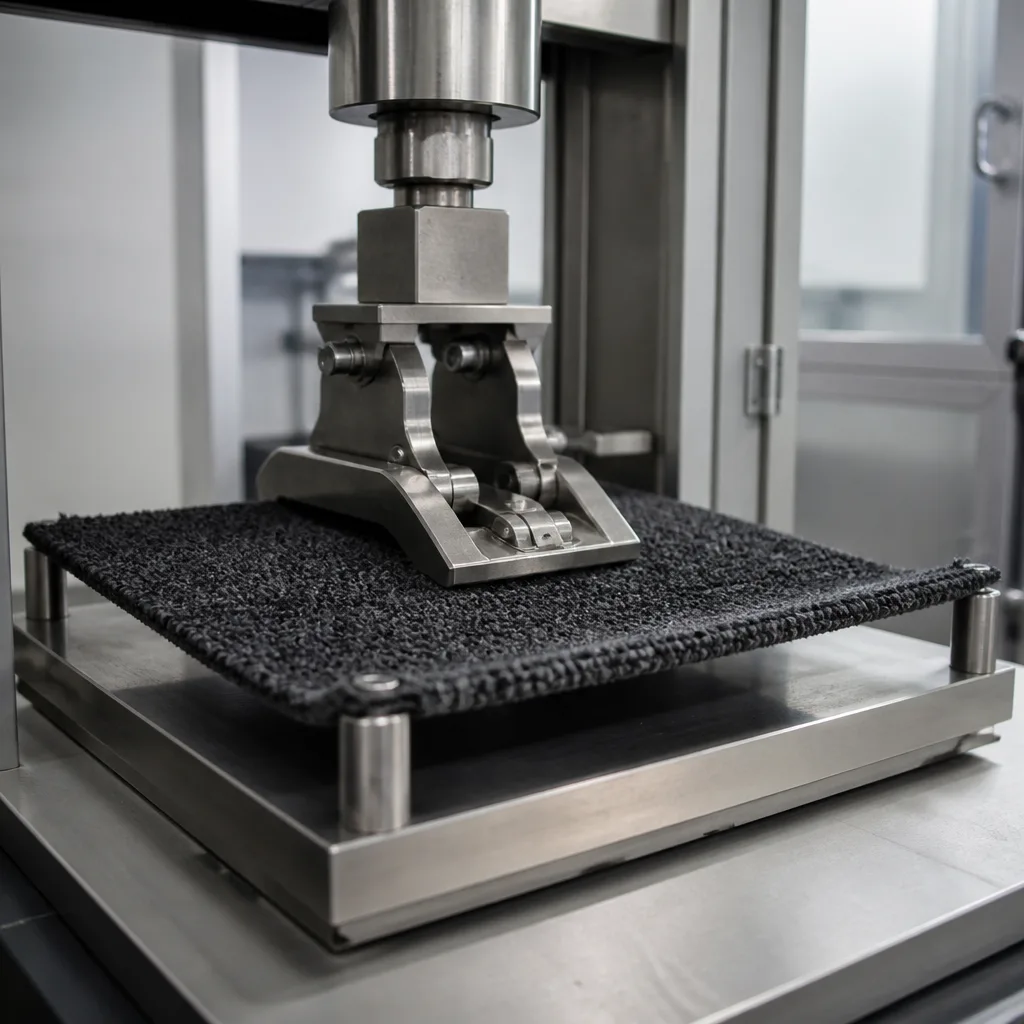
The Toyota TSL3600G standard is a Toyota engineering standard that defines test methods and performance requirements for carpet materials used in automobiles. This standard is part of a comprehensive set of interior specifications that suppliers must meet to ensure Toyota's interior materials are durable, safe, and aesthetically consistent throughout the vehicle's lifespan.
This standard focuses primarily on floor carpets and related flooring materials, covering everything from physical durability to resistance to environmental aging.
The Toyota TSL3600G standard includes the following:
This standard ensures that carpets can withstand daily wear and tear, foot traffic, sunlight exposure, cleaning, and changing weather conditions while maintaining their appearance, comfort, and safety.
The TSL3600G standard includes numerous test procedures. Some of the most important tests are:
Accelerated weathering (xenon lamp test) is one of the most referenced aspects of the TSL3600G standard. This test combines prolonged sunlight exposure with temperature and humidity cycles to help predict how carpets will perform over years of real-world use.
In short, the Toyota TSL3600G standard is an internal materials testing specification primarily used to evaluate the mechanical and performance characteristics of automotive textiles, carpets, fabrics, and related interior materials. This standard includes standardized procedures for testing the durability and physical performance characteristics of automotive soft furnishing materials.
This standard is designed to ensure that interior materials used in Toyota vehicles meet stringent requirements in the following areas:
These requirements are critical because automotive fabrics and carpets are constantly exposed to:
By using a unified testing methodology, Toyota can maintain consistent quality among its global suppliers.
The TSL3600G standard is generally associated with testing the following materials:
Laboratory accreditation documents specifically refer to the tests described in this standard for carpets, fabrics, and plastic materials. For example,
These features are especially important for light-colored interiors and frequently touched components.
In general, Toyota's material standards are part of a broader supplier quality management system that aims to guarantee the following:
Without standardized testing, material performance can vary significantly between suppliers and production regions.
This standard is important for the following reasons:
The Toyota TSL3600G standard is often used in conjunction with the following standards:
In summary, the Toyota TSL3600G standard is a proprietary automotive material testing specification focused on evaluating the durability of textiles and interior upholstery. This standard includes tensile strength, tear resistance, abrasion resistance, and color fastness tests for automotive fabrics and related materials. These tests help Toyota ensure long-term durability, safety, and visual quality in its vehicle interiors.
For many years, our organization, with its competent and experienced team, has been understanding the needs of its customers, providing the advanced testing services they require, and assisting them in the establishment, implementation, and improvement of management systems. Within this framework, we also provide testing services compliant with the Toyota TSL3600G standard.
To get an appointment, to get more detailed information or to request an evaluation, you can ask us to fill in our form and reach you.

