

Developed by BMW, a multinational vehicle manufacturer, the “BMW AA P 275 Aging Resistance Test” standard is a specific test specification designed to evaluate the aging resistance of automotive components, materials, and surface treatments (such as paints, coatings, plastics, textiles, and interior/exterior trim parts).
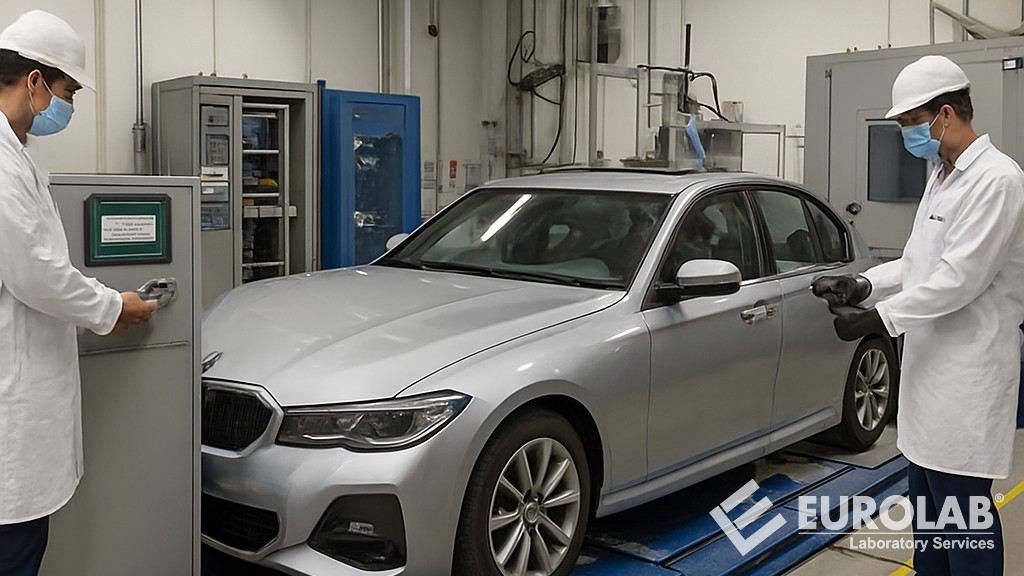
This standard is part of BMW’s broader set of quality and durability requirements that suppliers must meet in order to be approved for use in BMW vehicles. This standard ensures that materials maintain their performance, appearance, and structural integrity over time when exposed to environmental aging factors.
The described test method simulates long-term environmental exposure to assess degradation, including changes in color, gloss, mechanical properties, cracking, brittleness, or other forms of deterioration.
This standard is often cross-referenced with, and is similar to, another BMW aging-related procedure, the “BMW PA P 230 Aging Resistance Test” standard. It may include thermal aging, moisture exposure, or combined stress cycling. Such aging resistance tests typically involve:
Typical applications of this standard include:
BMW maintains a comprehensive list of material and component testing standards. The BMW AA P 275 standard is grouped with the following durability tests:
These tests help BMW enforce high quality standards for suppliers and reduce warranty claims resulting from premature material failure.
In the automotive industry, aging resistance is critical for both safety (e.g., preventing brittle failure in plastic parts) and aesthetics (preventing visible fading or cracking on visible surfaces). Passing the BMW AA P 275 test and complementary tests is generally a prerequisite for part homologation and series production approval.
This standard is a critical quality assurance standard in the BMW Group’s supplier and component approval process. This testing is necessary for important reasons related to vehicle performance, customer satisfaction, safety, economy, and brand reputation in the premium automotive segment.
Without rigorous aging simulation, parts can become brittle, crack, fade, lose strength, or dissociate prematurely. This standard accelerates these aging effects in a controlled laboratory environment (typically involving dry heat, moisture cycles, or combined stresses) to predict and prevent long-term failures.
Visible deterioration (e.g., instrument panel cracking, paint chalking, or textile fading) leads to dissatisfaction even if the vehicle is mechanically sound. This standard evaluates visual changes (e.g., color fading, gloss retention) after accelerated exposure, ensuring that parts meet high standards for looking like new throughout the vehicle's lifespan.
This directly protects profitability and reduces long-term service costs.
In short, the BMW AA P 275 standard is more than just a test method; it's a proactive engineering tool that ensures vehicles deliver greater customer satisfaction over time, avoid costly breakdowns, and maintain BMW's reputation for engineering excellence. Without it, the risk of premature wear undermines the brand's promise of superior and long-lasting performance.
For many years, our organization, with its competent and experienced team, has been understanding the needs of its clients, providing the advanced testing services they require, and assisting them in the establishment, implementation, and improvement of management systems. Within this framework, we also provide testing services in accordance with the BMW AAP 275 standard.
To get an appointment, to get more detailed information or to request an evaluation, you can ask us to fill in our form and reach you.

