

The “FMVSS 111 Rearview” standard, published under the Federal Motor Vehicle Safety Standard (FMVSS) established by the National Highway Traffic Safety Administration (NHTSA), requires vehicles to be equipped with rearview mirrors to allow drivers to see objects to the side of them or to the side and behind them.
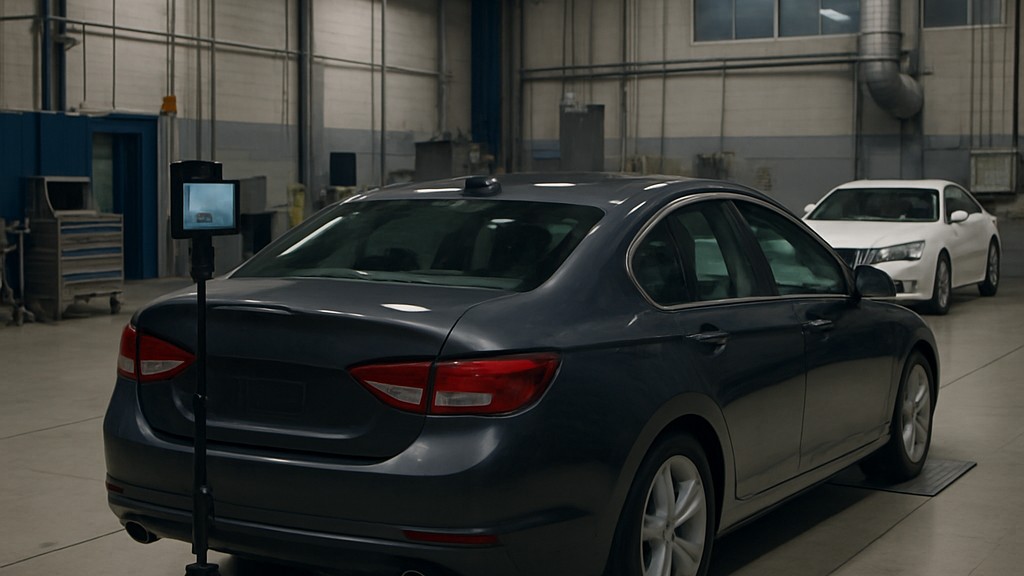
Today, vehicle safety standards are rigorously implemented in nearly every country to protect drivers, passengers, and vulnerable road users such as pedestrians and cyclists. Among these, the FMVSS 111 standard stands out for its focus on reducing blind spots, which contribute to back-up crashes. Initially focused on rearview mirrors, the standard has evolved to mandate advanced rearview systems, particularly camera-based technologies, to give drivers a clear view of the area behind their vehicles. This evolution addresses a critical safety vulnerability: back-up crashes, which contribute to numerous fatalities each year, particularly among children and individuals with disabilities. Codified in 49 CFR 571.111, the FMVSS 111 standard ensures safer roads in the country by ensuring that vehicles equipped with these systems meet performance criteria.
The FMVSS 111 standard applies to a wide range of motor vehicles, including passenger cars, multi-purpose passenger vehicles, trucks, buses, and low-speed vehicles with a gross vehicle weight rating (GVWR) of 4.536 kg or less. Trailers and heavier commercial vehicles subject to other regulations are excluded from this standard. This standard covers both traditional rearview mirrors and modern rearview systems, such as camera monitor screens, to provide drivers with an unobstructed view of the areas to the side, rear, and directly behind the vehicle.
The main applications of this standard are:
The FMVSS 111 standard targets high-risk scenarios, such as parking lots and driveways, where blind spots can obstruct pedestrians by standardizing visibility. This standard outlines detailed specifications for mirrors and rearview mirror systems, emphasizing field of view, image quality, and activation protocols. Compatibility includes rigorous testing to simulate real-world conditions and ensures reliable operation across all vehicle types.
Conventional mirrors must meet minimum reflective surface area and field of view standards. Minimum reflective area and field of view are determined by mirror type as follows:
Sight lines may be partially obstructed by passengers or headrests, but mirrors should be adjustable and, where appropriate, labeled for unit magnification.
The FMVSS 111 standard requirements require a rearview image for all covered vehicles when in reverse gear:
Testing protocols include:
These ensure that systems such as the reversing camera provide clear and timely images without overwhelming the driver.
The FMVSS 111 standard has its roots in the National Traffic and Motor Vehicle Safety Act, which initially focused on rearview mirrors to reduce lane departure crashes. A key change came with the Child Transportation Safety Act, which included a mandate to expand rearview mirrors to reduce back-up crashes.
The FMVSS 111 standard is considered important for the following reasons:
As a result, the FMVSS 111 standard is a critical component of vehicle safety regulations. By mandating mirrors and rearview cameras (especially rearview cameras), it has significantly reduced blind spots and increased driver awareness of their surroundings. Beyond compliance, the standard has accelerated the automotive industry's transition to camera-based and sensor-driven safety solutions and laid the groundwork for future innovations in autonomous and connected vehicles. This standard continues to be a cornerstone of vehicle safety, evolving from basic mirrors to enhanced rearview requirements that protect the most vulnerable.
Our organization, which has been serving for many years and meticulously following global developments in science and technology, employs a team of experienced professionals and a broad infrastructure to conduct testing, measurement, and analysis in a wide range of areas for businesses across all sectors. In this context, we also provide testing services in accordance with the "FMVSS 111 Rear View" standard.
To get an appointment, to get more detailed information or to request an evaluation, you can ask us to fill in our form and reach you.

