

The “Chrysler LP-463DD-18 Automotive Plastics Scratch and Abrasion Resistance Determination” standard, developed by Chrysler, an American automobile brand and division of Stellantis North America, describes a procedure for determining how well molded (unpainted) automotive thermoplastics resist scratching, abrasion, pitting, or other surface damage. The aim of this standard is to ensure that plastic components, such as interior trim panels, door handles, instrument panels, exterior trim, or other decorative/functional parts, maintain their appearance and quality over time. Surface damage from everyday contact (e.g., keys, fingernails, cleaning, or abrasion) can negatively impact the aesthetics and perceived quality of a vehicle. Therefore, this test helps manufacturers qualify materials that meet durability expectations.
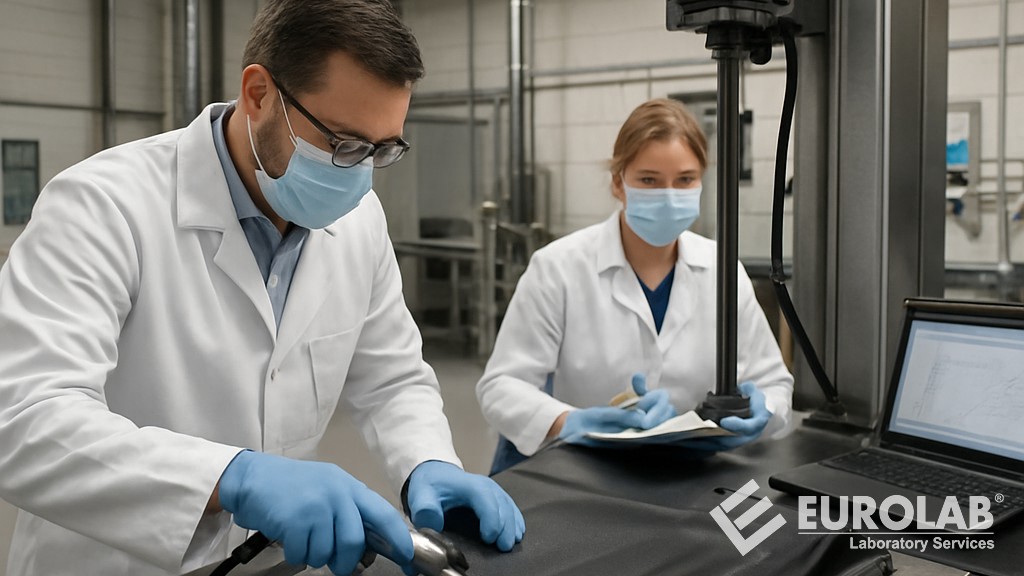
It is typically used in conjunction with the PF-10938 standard, which specifies performance requirements (acceptance criteria) for scratch and abrasion resistance in molded colored plastic parts. While the Chrysler LP-463DD-18 standard focuses on the test method, the PF-10938 standard defines minimum engineering acceptance levels, ensuring parts resist damage that could affect the vehicle's appearance or expose molding stresses.
These tests typically use a multi-fingered (typically five-fingered or five-armed) scratch tester, often called the Taber multi-fingered scratch/scar tester. This device simulates real-world scratches:
This device evaluates both scratch resistance (deeper, more visible damage) and abrasion resistance (lighter, whitish surface marks or changes in shine).
This method is applicable to the following:
This standard is widely accepted in the automotive industry and is referenced alongside similar original equipment manufacturer standards such as Ford FLTM BN 108-13, GM GMW3943/GMN3943, or Nissan NES M0159.
Test equipment such as the Taber multi-finger scratch/wear tester conforms to the Chrysler LP-463DD-18 standard and is used by laboratories worldwide. The tester allows for variable speeds, loads, and end configurations to simulate different damage scenarios.
Scratch and wear performance is critical to customer satisfaction; visible damage to instrument panels, consoles, or exterior details can lead to complaints. This standard helps suppliers and original equipment manufacturers select and verify durable materials (e.g., polypropylene blends or other engineering plastics) during material approval and quality control.
The scratch resistance of automotive plastics refers to the ability of a plastic surface (typically molded colored thermoplastics used in vehicle interiors or exteriors) to withstand light, superficial surface damage without significant visible changes in appearance, such as gloss reduction, whitening, cloudiness, polish marks, or color shift.
Scratching (or abrasion) typically involves shallow, fine, mild abrasion or friction damage that remains within the top few micrometers of the surface. There is usually no deep penetration, material loss, or cracking/breaking of the plastic. Common real-world examples include:
In contrast to scratch resistance (which deals with deeper, more visible grooves or cuts caused by sharper/harder objects, usually penetrating deeper into the material), abrasion resistance focuses on subtle, aesthetic degradation from lighter, repetitive contact. A material can have good scratch resistance (resistant to deep cuts) but poor abrasion resistance (showing shiny streaks or blurring easily), or vice versa.
Automotive manufacturers prioritize scratch resistance for molded colored plastics (e.g., polypropylene blends) in the following areas:
Poor scratch resistance, even without heavy use, leads to customer complaints about worn or cheap-looking surfaces early in the vehicle's life.
Chrysler LP-463DD-18 and similar standards use tools with different load and tip sizes, such as the Taber multi-finger scratch/wear tester (five-finger device):
The assessment typically includes visual grading, brightness measurement (before/after), or color/blur difference to measure damage.
Additives (such as silicones, talc, or specialized compounds) are commonly used to improve wear resistance by reducing surface friction or increasing elastic recovery.
In short, abrasion resistance is what allows automotive plastics to look good for longer under typical light-touch use. It's more about maintaining an pristine appearance than withstanding harsh use.
For many years, our organization, with its competent and experienced staff, has been understanding the needs of its customers, providing the advanced testing services they require, and assisting them in the establishment, implementation, and improvement of management systems. Within this framework, we also provide testing services in accordance with the Chrysler LP-463DD-18 standard.
To get an appointment, to get more detailed information or to request an evaluation, you can ask us to fill in our form and reach you.

