DBL 5399 Soiling/Cleaning of Interior Trim Parts/Materials
The “DBL 5399 Contamination/Cleaning of Interior Trim Parts/Materials” standard, developed by Daimler, the owner of the Mercedes-Benz brand, describes the requirements and test methods for evaluating the contamination behavior and cleanability (cleaning resistance) of materials and components used in vehicle interiors.
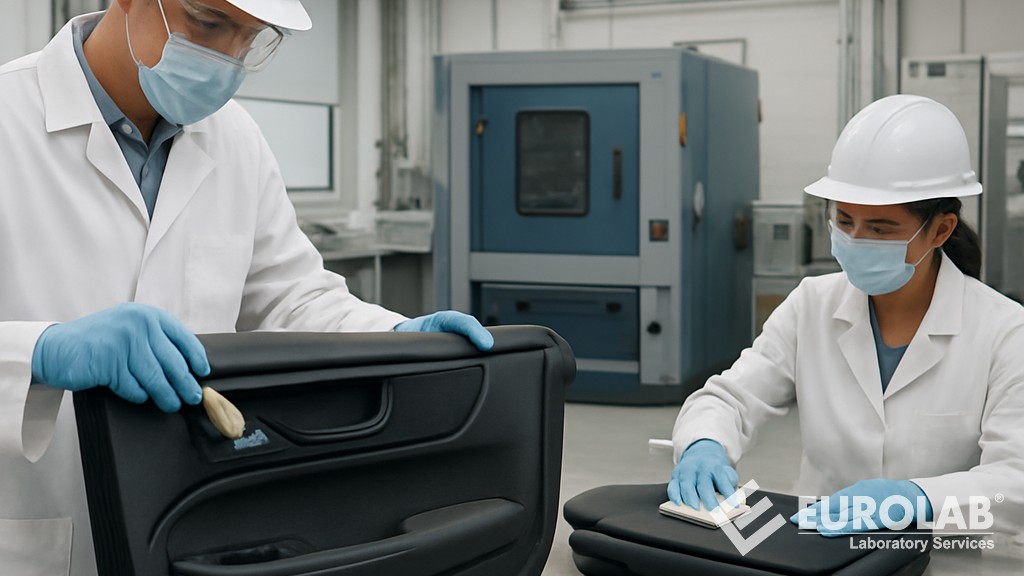
This standard is widely applied in the automotive sector, particularly for companies supplying Mercedes-Benz and Daimler vehicles. It ensures that interior surfaces made of materials such as textiles, leather, plastics, coated fabrics, elastomers, foils, and similar materials are resistant to everyday soiling (dirt, cosmetics, food, etc.) and can be effectively cleaned without damage, discoloration, or significant changes in appearance.
The DBL 5399 standard applies to a variety of interior hardware components and materials, including the following:
- Textiles and yarns
- Coated textiles and plastic roll products.
- Leather and leather fiber boards
- Plastics, elastomers and foils
This standard applies to both direct contact areas (e.g., seats, steering wheels) and indirect areas in the passenger compartment.
The DBL 5399 standard includes procedures for simulating contamination and then evaluating cleanability using standardized methods. Common test categories and techniques performed in accredited laboratories include:
- Manual contamination process: Controlled application of artificial contaminant or test medium (e.g., cosmetics, personal care products, or identified contaminants).
- Resistance to detergents: Evaluation of cleaning with the specified substances and the presence of residue or damage.
- Friction testing method: Friction test to simulate dry/wet wear during cleaning (similar to ISO 105-X12 standard).
- Martindale method: Abrasion resistance under friction (typically for textiles).
- Veslic test: A leather-specific friction test for color fastness and cleanability.
After the contamination and cleanup cycles, assessments typically check the following:
- Color change/staining (e.g., via grayscale or spectrophotometry)
- Brightness change
- Surface damage
- Cleanability level (how completely the dirt is removed)
Interior materials must withstand real-world use: spills, hand creams, makeup, sunscreen, clothing dyes, and frequent cleaning. The DBL 5399 standard helps ensure long-term appearance, customer satisfaction, and compliance with Mercedes-Benz quality expectations.
In short, the DBL 5399 standard is a supply specification that regulates the contamination and cleaning behavior of interior components and materials used in vehicles. This standard is part of a broader family of DBL standards that Daimler uses to define material properties, performance criteria, and test methods for automotive parts it supplies to manufacturers.
Essentially, the DBL 5399 standard addresses how interior trim materials react to soiling and subsequent cleaning processes. The specification provides guidelines and test procedures for evaluating:
- Contamination behavior: How different interior materials become contaminated under defined conditions, including typical contaminants encountered in real-world use.
- Cleaning and cleanability: How these materials react to cleaning agents and processes, and how effectively they can be restored after contamination.
- Resistance to cleaning products: An assessment of how resistant a surface is to the chemical effects of recommended maintenance and cleaning agents.
This specification applies to a wide variety of interior materials, including:
- Coated textiles and plastic roll products.
- Leather and leather fiber sheets
- Plastics, elastomers and foils
- Textiles and yarns
- Assembly components and trim pieces
This wide applicability also makes it suitable for seat surfaces, instrument panels, door panels, and other passenger compartment trim.
The DBL 5399 standard is generally used by:
- During product development and pre-production verification by original equipment manufacturers' suppliers.
- Parts are inspected by quality engineers to verify compatibility before acceptance.
- By materials laboratories that conduct standardized tests for contamination and cleaning behavior.
The interior materials in vehicles should not only look aesthetically pleasing upon delivery, but also maintain their appearance throughout years of use. DBL 5399 helps to ensure this:
- Consistency: Internal materials from different suppliers share a common standard for cleanability and resistance to contamination.
- Durability: Materials are evaluated under realistic stress scenarios to reduce customer complaints and warranty issues.
- Material selection: Designers and engineers can choose materials that balance aesthetics with long-term performance, based on standardized results.
- Supplier compliance: Suppliers must demonstrate compliance with Mercedes-Benz quality expectations before parts are accepted into production.
The main tests performed under the DBL 5399 standard are as follows:
- DBL 5399 § 3.2 describes the procedure for evaluating how interior materials behave when exposed to approved cleaning and maintenance products. This section ensures that the interior surfaces of vehicles remain visually and mechanically stable after repeated cleaning during normal vehicle use. The aim of this standard is to ensure the following for interior materials:
- Does not change color
- Not swelling, softening, or hardening
- No change in brightness
- It should not crack, peel, or separate into layers.
- It retains its original surface structure and tactile feel.
- DBL 5399 § 3.3 focuses on evaluating the soiling behavior of interior materials, examining how surfaces accumulate dirt, dust, oil, or other contaminants under simulated real-life conditions. This section complements the DBL 5399 § standard, which addresses cleanability after soiling. The aim of this standard is to determine:
- Tendency to attract dirt (dust, particulate matter, body oils)
- The ease with which visible contamination is detected (how quickly the contamination becomes apparent)
- Homogeneity of contamination (whether the dirt is localized or irregularly spread)
- Suitability of materials for interior surfaces
- DBL 5399 § 3.4 describes mechanical stress and abrasion tests of interior materials, generally using a Martindale or similar wear system. This section evaluates how materials withstand repeated cleaning, scrubbing, or friction, as in actual use over many years in vehicle interiors. The aim of this standard is to ensure that interior surfaces provide the following:
- It should not wear down or develop visible damage under repeated cleaning.
- Retains its color, texture, and surface structure after mechanical stress.
- It should not peel, crack, or wear out.
- Maintaining tactile quality (soft touch feel for coatings and textiles)
For many years, our organization, with its competent and experienced team, has been understanding the needs of its clients, providing the advanced testing services they require, and assisting them in the establishment, implementation, and improvement of management systems. Within this framework, we also provide testing services compliant with the DBL 5399 standard.



