

The “BMW AA 0213 Condensate Water Constant Atmosphere Test” standard, developed by BMW, a multinational vehicle manufacturer, describes a condensation test method (condensate water or moisture constant climate test) specifically designed to evaluate the durability and resistance of coatings, paints, and surface treatments used on vehicle components.
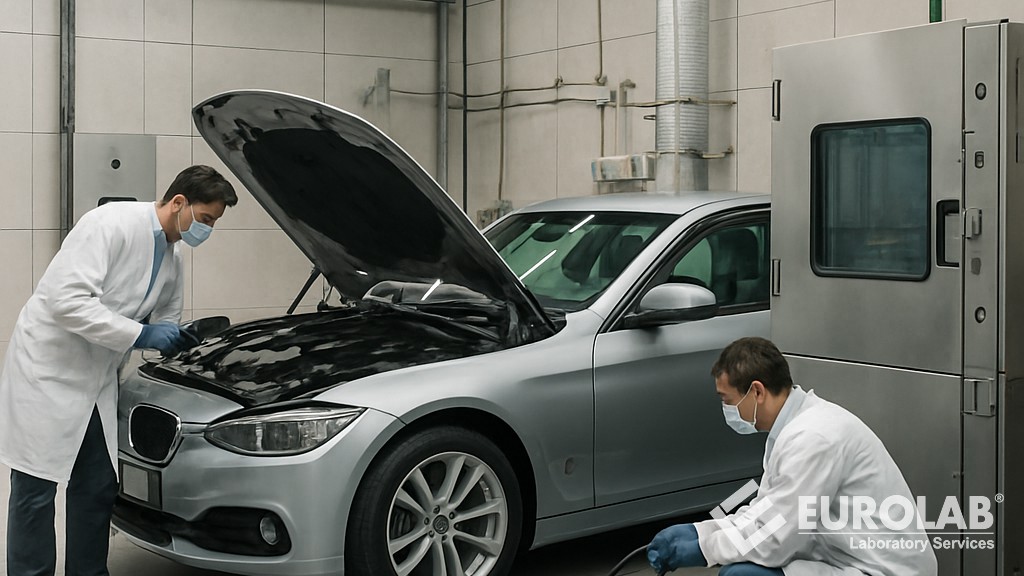
This standard is widely applied in the automotive industry, particularly for quality assurance purposes for suppliers of painted parts, additional components (e.g., upholstery, exterior panels), and corrosion-protected surfaces. It helps ensure that materials maintain their integrity when exposed to prolonged high humidity conditions that vehicles might encounter in real-world environments, such as humid climates, rainy seasons, or condensation in enclosed spaces.
The primary purpose of the BMW AA 0213 standard is to assess how well a vehicle's paint, coatings, and components resist degradation caused by high humidity. Common failure modes evaluated include:
This method is a critical test for the long-term reliability of aesthetic and protective surfaces in BMW vehicles. In this method, coated test samples are exposed to a constant condensation atmosphere in a controlled climate chamber. Typically, the basic parameters are:
Samples are placed in the chamber for a specific period of time (typically hundreds of hours), depending on the component requirements. The setup simulates aggressive humid conditions that can lead to moisture penetration and damage to coatings.
Following exposure, samples are typically examined visually and mechanically. Common additional controls include:
This standard is mandatory for many BMW suppliers in the qualification of the following types of parts:
It is usually included in the list of required environmental tests along with other BMW specifications (e.g., BMW AA 0224 standard for cyclic corrosion, BMW AA 0235 standard for xenon weather resistance).
In the automotive world, while vehicles are expected to last 10-15 years with minimal visual deterioration, tests like the BMW AA 0213 standard help prevent costly warranty claims arising from moisture-related failures. This test ensures that BMW's production quality extends to the surface coatings that customers see and touch every day. This standard is a cornerstone of moisture-related verification.
The BMW AA 0213 standard is essential because it reliably identifies weaknesses in coatings and paints; otherwise, these weaknesses only become apparent years after real-world vehicle use, often too late, leading to costly warranty claims, customer dissatisfaction, and damage to brand reputation. This standard is crucial because it directly addresses moisture-induced damage to coatings and painted surfaces, one of the most common and costly real-world problems threatening a vehicle's long-term structural integrity and customer satisfaction.
The main reasons why this standard is considered important are as follows:
These problems are among the leading causes of warranty claims for painted parts worldwide.
For many years, our organization, with its competent and experienced staff, has been understanding the needs of its customers, providing the advanced testing services they require, and assisting them in the establishment, implementation, and improvement of management systems. Within this framework, we also provide testing services to businesses in accordance with the "BMW AA 0213 Condensate Water Constant Atmosphere Test" standard.
To get an appointment, to get more detailed information or to request an evaluation, you can ask us to fill in our form and reach you.

