

The “BMW GS 95024-2-1 Electrical and electronic components in motor vehicles - Electrical requirements and tests” standard, developed by BMW, a multinational vehicle manufacturer, describes the requirements, test conditions, and test methods for electrical, electronic, and mechatronic components and systems to be used in motor vehicles up to 3,5 tons. Additional or different requirements, test conditions, and tests should be defined in the relevant component performance specifications. The tests described here are not used to assess component suitability or the suitability of the production process.
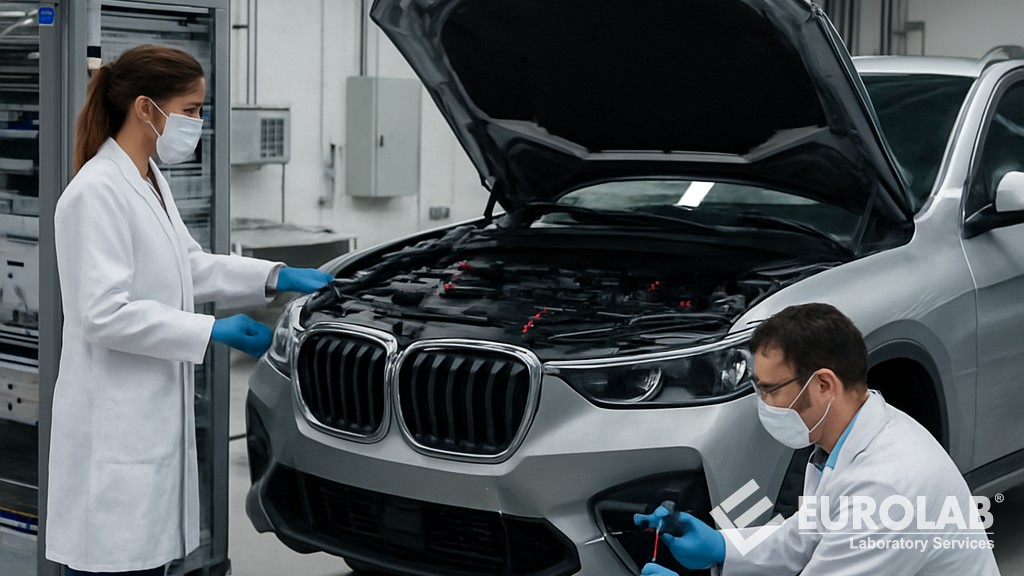
The BMW GS 95024-2-1 standard focuses on ensuring the reliability, safety, and performance of electrical and electronic systems under various electrical voltages and electromagnetic conditions. This standard is part of BMW's broader suite of specifications for automotive components. It is widely used by suppliers and test laboratories in verifying parts for BMW vehicles.
The BMW GS 95024-2-1 standard primarily addresses the following:
The specific tests mentioned in the relevant documentation are as follows:
Modern vehicles rely heavily on electronic control units (ECUs), sensors, infotainment systems, and advanced driver assistance features. Failures due to electrical or electromagnetic problems can lead to safety risks, recalls, or performance issues. Compliance with the BMW GS 95024-2-1 standard helps manufacturers in the following areas:
Advanced testing laboratories provide accredited services for this standard, using specialized equipment for electrostatic discharge (ESD), overvoltage, and immunity simulations.
This standard remains a cornerstone of automotive electronics validation. It underscores BMW's commitment to robust, interference-resistant electronics in its vehicles.
The BMW GS 95024-2-1 standard is BMW's internal standard for electrical requirements and testing of electronic components in motor vehicles (specifically 12V/24V systems). It focuses on simulating real-world electrical voltages, overvoltages, interruptions, and other electrical disturbances to ensure component reliability and fault tolerance.
This standard is derived from the German original equipment manufacturer standard LV 124. BMW adopted the electrical tests of LV 124 largely unchanged but structured them under the GS 95024 series. The GS 95024-2-1 standard covers electrical tests (equivalent to the LV 124 standard tests).
The main electrical test methods referenced in the BMW GS 95024-2-1 standard are as follows:
Additional common tests include:
These tests are performed while the component is in operating mode, monitoring for failures, resets, or damage. Acceptance criteria require the absence of permanent failure and the restoration of full functionality.
The BMW GS 95024-2-1 standard primarily covers electrical voltages. The tests defined in this standard generally combine these with environmental tests from the BMW GS 95024-3-1 standard.
For many years, our organization, with its competent and experienced staff, has been understanding the needs of its customers, providing the advanced testing services they require, and assisting in the establishment, implementation, and improvement of management systems. Within this framework, we also provide testing services to businesses in accordance with the "BMW GS 95024-2-1 Electrical and electronic components in motor vehicles - Electrical requirements and tests" standard.
To get an appointment, to get more detailed information or to request an evaluation, you can ask us to fill in our form and reach you.

