

The Ford Motor Company (FORD) standard, "FORD WSK-M2D419-A Cellular Elastomer - Seal," specifies the performance requirements for natural or synthetic rubber-based cellular elastomeric seals. This standard was initially published for materials used in front and rear signal lamp seals.
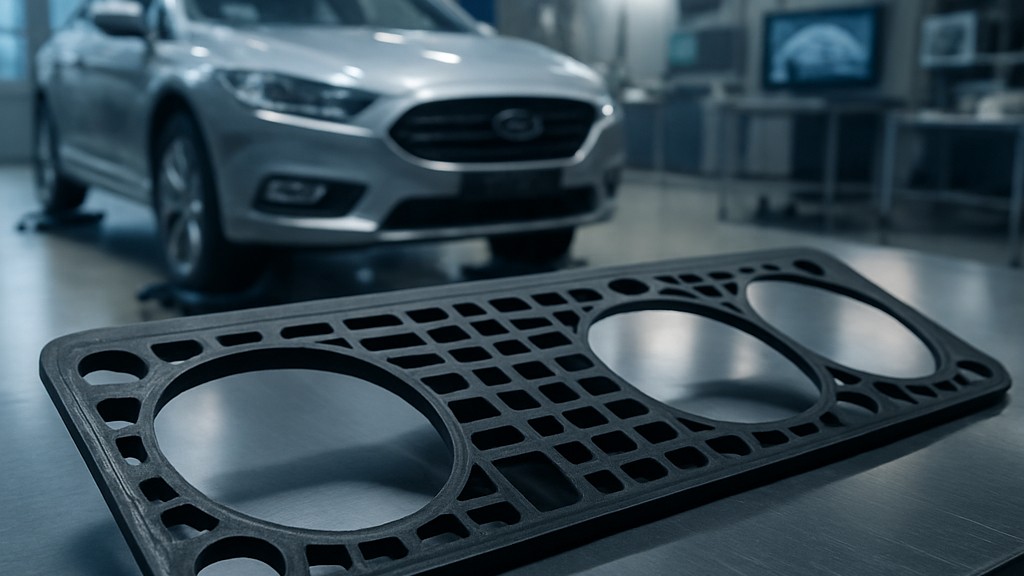
Material suppliers and parts manufacturers must comply with the standard “FORD WSS-M99P1111-A Standard requirements for production materials”.
The FORD WSK-M2D419-A standard is a technical standard designed to define the performance requirements for cellular elastomeric seals used in automotive applications. This standard ensures that seal materials manufactured from natural or synthetic rubbers meet the stringent requirements of automotive manufacturing and performance. This standard is designed to be used in conjunction with Ford's broader materials standard, WSS-M99P1111-A, which outlines general requirements for production materials.
Cellular elastomeric seals are critical components in automotive components, providing sealing, vibration damping, and thermal insulation. This standard specifies the physical and chemical properties that these materials must exhibit to ensure durability, reliability, and compatibility with other automotive components under various environmental conditions.
The main objectives of this standard are:
The FORD WSK-M2D419-A standard details various performance requirements, including:
To ensure compliance with the FORD WSK-M2D419-A standard, manufacturers must subject their materials to a series of standard tests. These tests evaluate the material's performance under conditions that mimic real-world automotive environments, such as chemical exposure, temperature changes, and mechanical stress. The primary referenced test methods are:
These tests ensure that gasket materials can withstand the harsh conditions of automotive applications, such as engine compartments, where they are exposed to heat, pressure and chemicals.
Cellular elastomeric seals meeting the FORD WSK-M2D419-A standard are used in a variety of automotive components, including:
Compatibility with the FORD WSS-M99P1111-A standard ensures these seals integrate seamlessly with other production materials and maintain Ford's high standards for vehicle performance and safety.
The FORD WSK-M2D419-A standard is periodically updated to reflect advances in materials science and automotive engineering. The latest version of this standard has been updated to include modern testing standards and material requirements.
This standard is important because it ensures the quality, reliability, and performance of cellular elastomeric seals used in Ford vehicles. The primary reasons for this standard's importance are:
In short, the WSK-M2D419-A standard is critical to ensuring that seals perform reliably in Ford vehicles, improving safety, durability and manufacturing consistency while reducing risks and costs.
As a result, the FORD WSK-M2D419-A standard is a critical standard for ensuring the quality and performance of cellular elastomeric seals in Ford vehicles. By defining precise material requirements and testing protocols, it helps manufacturers produce reliable and durable components that meet the demanding requirements of automotive applications. Used in conjunction with the Ford WSS-M99P1111-A standard, this specification underscores Ford's commitment to quality and innovation in automotive engineering.
Our organization, which has been serving for many years and meticulously following global developments in science and technology, conducts testing, measurement, and analysis in a wide range of areas for businesses across all sectors with a skilled team and extensive infrastructure. In this context, we also provide testing services in accordance with the "FORD WSK-M2D419-A Cellular Elastomer - Seal" standard.
To get an appointment, to get more detailed information or to request an evaluation, you can ask us to fill in our form and reach you.

